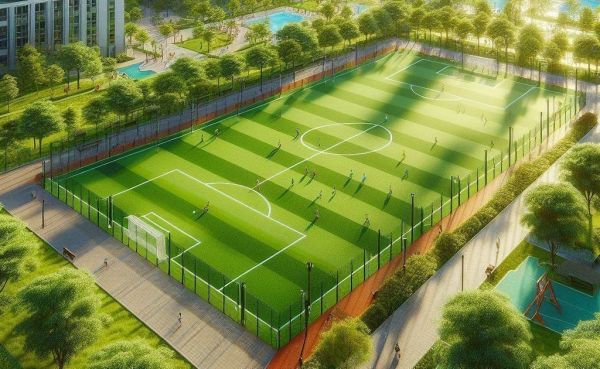
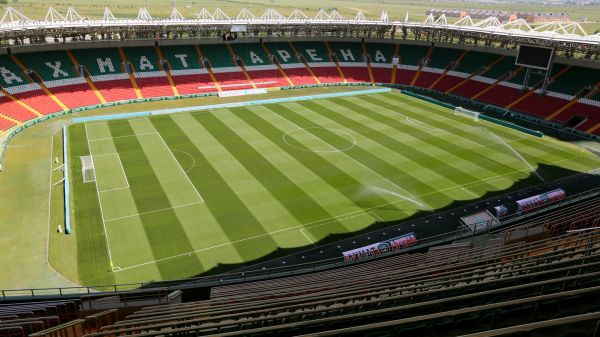
To ensure the safety and high performance of a playing field, whether made with natural or synthetic grass, adherence to certain specific standards is crucial. These standards are imposed by international entities such as FIFA, UEFA, the Rugby Football Union and the International Hockey Federation and include detailed specifications regarding the strength of the materials, the drainage of the pitch, the absorption of the pressure that the player exerts on the surface, and above all the flatness, the bounce and rotation properties of the ball and the stability of the pitch surface.
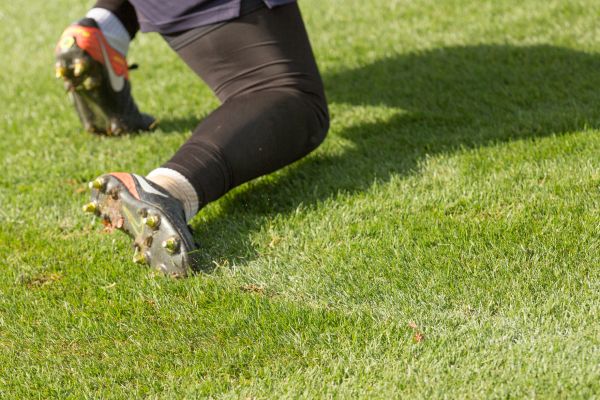
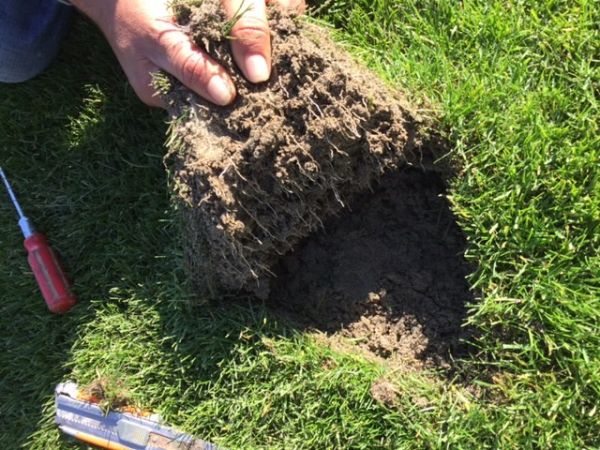
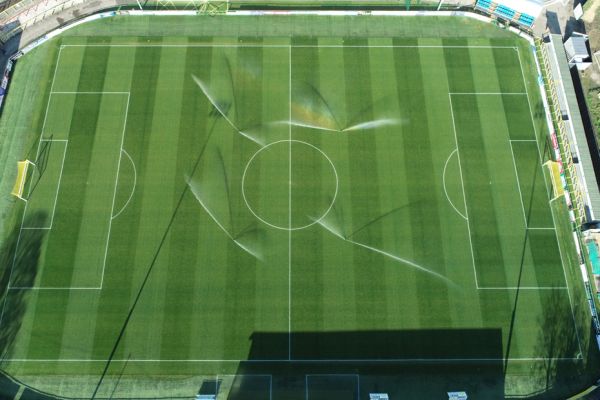
For natural grass fields, safety is ensured mainly by monitoring the condition of the grass. The latter must be healthy, well cared for, free of dangerous depressions and have a flat and homogeneous surface. It is essential that the soil has an adequate drainage system to avoid the accumulation of water or mud, and at the same time guarantee suitable irrigation conditions to prevent it from drying out. However, regardless of the degree of maintenance, the playing conditions of the pitch can vary due to sudden weather changes: in summer, for example, after a heavy rain, a rapid increase in temperature can occur causing stress on the natural grass due to increased humidity in the soil.
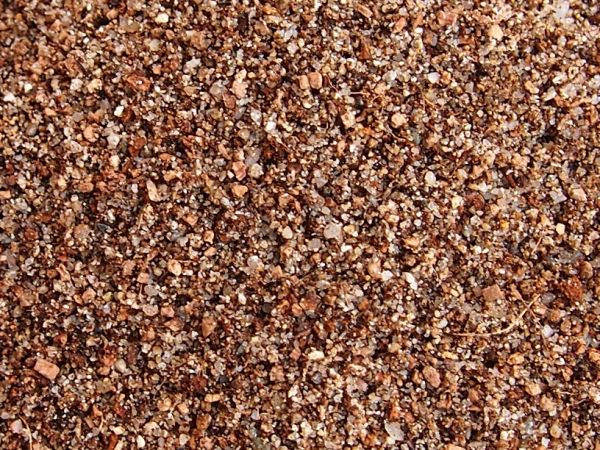
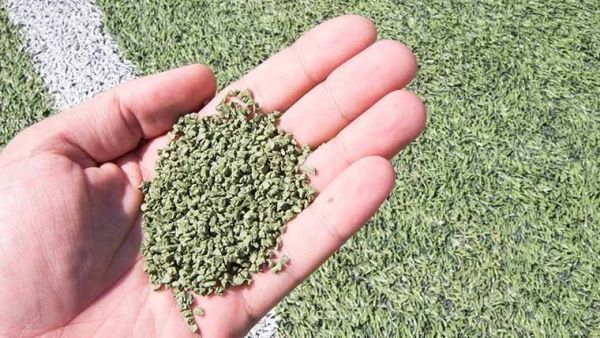
For synthetic grass fields, functionality and safety are mainly based on the characteristics of the system which must be certified. The latter must guarantee a high degree of drainage, have anti-slip properties and be able to adequately absorb impacts. It is vital to ensure the absence of toxic or harmful substances in the materials used for the construction and infill of synthetic grass. You can often see, after a heavy rain, how the infill granules can be washed away or displaced, affecting the performance of the field. Granules derived from tyres, weighing more, move less, while it is easy to imagine how organic ones, such as cork, coconut, corn or rice husk, can be transported by water.
Both types of fields present challenges. Natural grass requires high maintenance and deteriorates easily due to wear and weather conditions. Synthetic turf can become too hot in the sun, its materials can be harmful to players' health and when the fibers are worn they lose their function, causing the studs to lose grip on the surface. Cheap synthetic pitches become quickly hard and can cause back pain as players often testify.
The POWERgrass hybrid solution offers an innovative response to these challenges. By combining the look and feel of natural grass with the stability of synthetic grass, POWERgrass allows you to achieve high standards of both functionality and safety.
POWERgrass boasts high wear resistance and requires less maintenance. Thanks to synthetic grass, the pitch can be used for many more hours than a natural grass lawn, without damaging the surface. POWERgrass also offers exceptional efficiency in adverse weather conditions thanks to an excellent drainage system that avoids the formation of puddles, offering a playable pitch even in the rain. Finally, POWERgrass ensures great safety for players. The surface offers a perfect balance between softness, stability and grip on the surface, helping to reduce the risk of injuries.
In conclusion, adherence to functionality and safety standards is essential for any type of playground. The POWERgrass hybrid system undoubtedly offers an advanced and valid solution, combining the benefits of natural and synthetic grass, while providing long-lasting wear resistance and high safety for players.

Insights


FAQ 12
Environmental regulations and the field
Write to Us
For any kind of request write to us.