Irrigation management

  • Published 28/02/2024   Novità
  •  by POWERgrass

Irrigation water management should promote rich root system development…
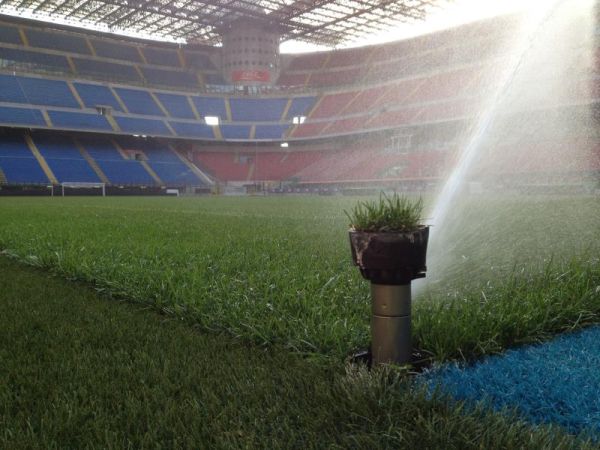
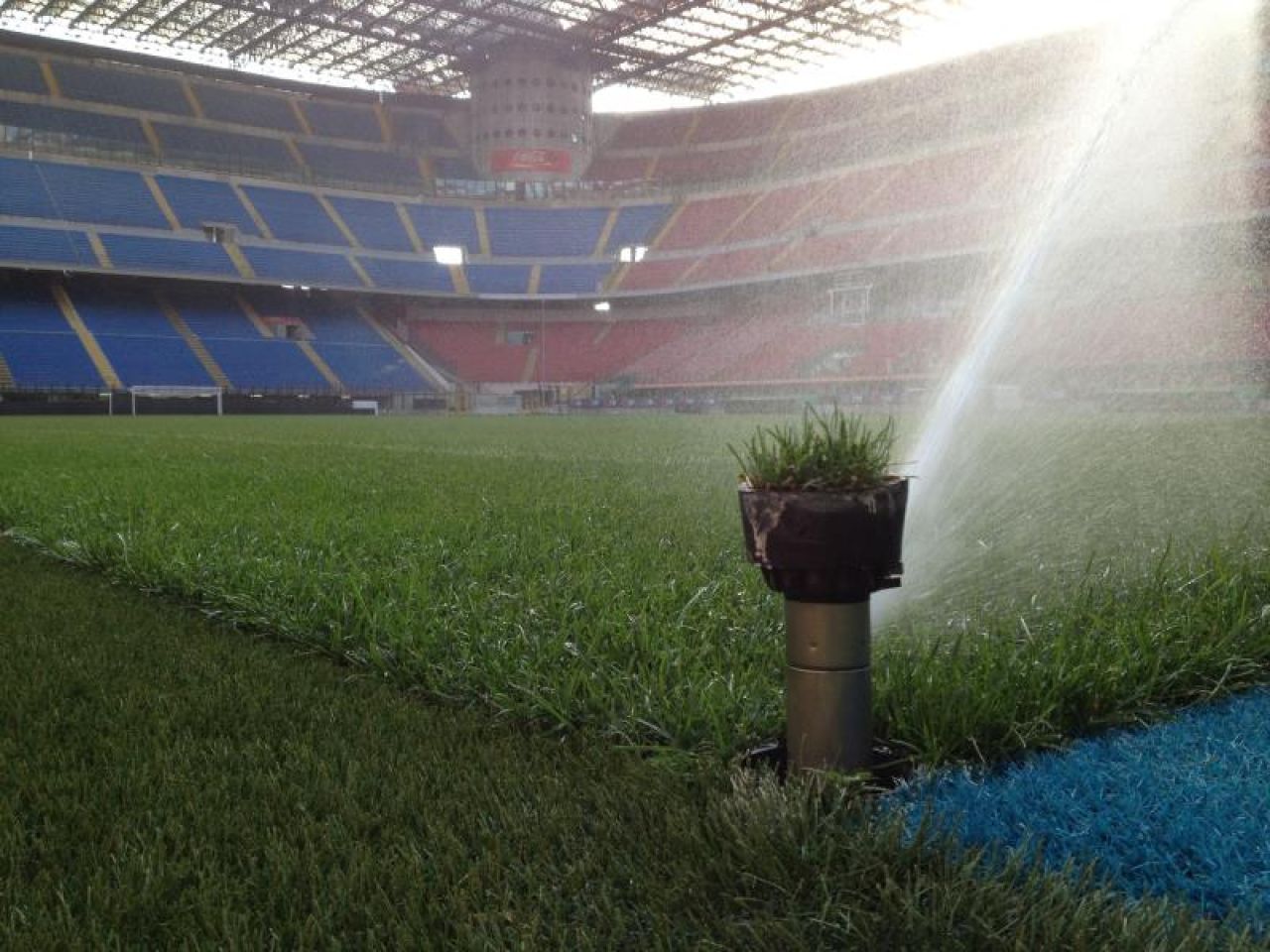
Irrigation water management is essential to support natural grass growth during dry periods and during hot summer days. Proper management is sufficient to provide the necessary humidity and save the most precious resource

Two rules must be taken into account to water the lawn regularly: a) water at long intervals during the early hours of the morning, using the system only if the lawn begins to show signs of water shortage (beginning to become less resilient) and b) ensure that the moisture content of the soil is kept at a low level, above the wilting point of the grass and avoid saturating the soil with water, during hot periods that exceed 25°C for microthermal herbs and 35°C for macrothermal herbs. Irrigation management aims to strengthen the cell membrane and improve the ability to contain water within the cells compared to any other technique which is often difficult to practice such as "syringing" (source Test in Japan). It is advisable to carry out a complete soil analysis and check the maximum amount of water that the soil can retain which is called field water capacity as well as the wilting point the amount of water that is still contained in the soil, but is not available for grass growth, to better understand how to manage the irrigation schedule according to variations in Evapotranspiration.

Having a modern ad hoc system allows you to automate management with an easy-to-use control unit.

We hereby outline some strategies for reducing water consumption and keeping your existing lawn healthy.
  • Water only when your lawn needs it. Water conservation isn't the only reason to limit the amount of water you give your lawn. Overwatering is bad for the health of your lawn and can contribute to the growth of fungus and disease. Some types of grass require more water than others, and environmental factors such as temperature, humidity and wind can greatly affect how often you water your lawn. Fortunately, the most accurate way to determine if your lawn needs water is also the easiest: just look at the grass:
    • When the grass needs water, it will begin to take on a blue-gray hue, and the older leaves of the plant will begin to curl up or wilt.
    • Footprints will remain on the lawn longer than usual, as the grass does not "rise". When 30 to 50% of your lawn shows these symptoms, it's time to water.
  • Water deeply to encourage deep root growth. Frequent shallow watering encourages weed germination, and also stimulates grass roots to grow on the surface, making the plant more susceptible to drought and some diseases. Watering only when your lawn really needs it encourages the roots to grow deeper, but only if you provide enough water to penetrate the root zone with each watering.
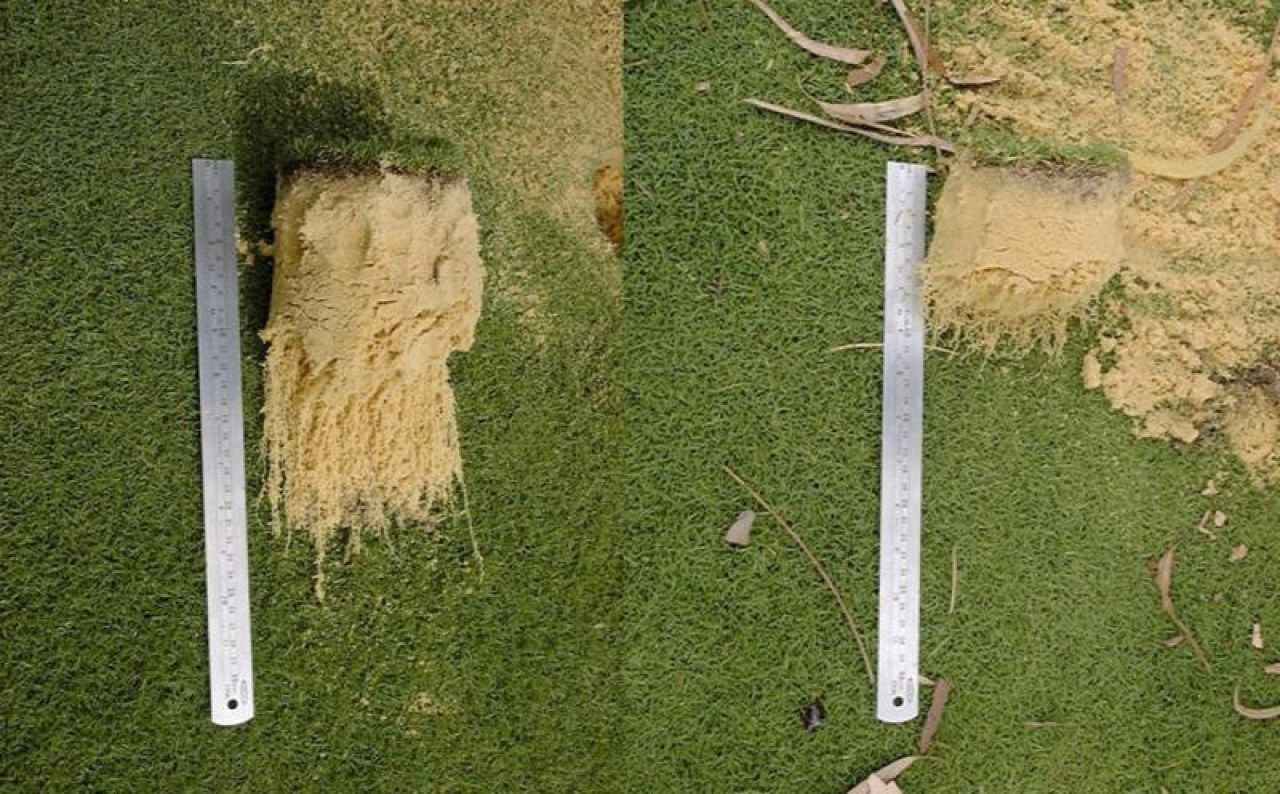
    • The most accurate way to determine the depth of the root zone is to dig a small hole and measure how far the roots go down.
    • Alternatively, you can follow these general guidelines: if you have a Poa Pratensis lawn, each irrigation should moisten the soil to a depth of 15-20 centimeters, while for most other grasses, the water should penetrate 20-30 centimeters. You can determine how long to leave your sprinkler system running using one of the following methods:
      1. Run the sprinklers for 15 minutes. After 18 to 24 hours, test the depth of the water soak by digging a small hole in the watered area or using a probe (the probe will push easily through moist soil). You can also push a shovel into the ground and use it as leverage to move the soil enough so you can look several inches below the surface. Once you've verified how deep the water has penetrated in 15 minutes of watering, you can calculate how long you need to leave your irrigation on.
        For example, if the soil is moist 10 centimeters below the surface and your goal is to moisten the soil to a depth of 20 centimeters, you will need to leave the sprinklers on for 30 minutes (2 x 15 minutes) each time you water.
      2. Estimate the amount of water you need based on your soil type. In general, 2.5 cm of water penetrates sandy soils 25 cm, medium-textured soils 15 to 20 cm, and clay soils 7-10 cm. Using these estimates is not as precise as digging, but it is very close, especially if you have a good understanding of the composition of the soil. To figure out how long you need to keep your sprinkler or irrigation system on, calibrate your sprinklers.
  • Water early in the morning. When you use sprinklers, some of the water evaporates before it hits the ground. On a hot, windy day, the amount of water that never reaches your grass can be substantial. To reduce evaporation losses, water from 4 a.m. to 9 a.m. when the temperature is still cool and the wind is usually calm.
    • Avoid watering the lawn with hot water. On hot days, the water inside the tube can become very hot from solar energy - hot enough to scald! It is best to skip watering that day, and water early the next morning. Run hot water into the pipe after the sun has gone down, to empty the hot water.

In this way the system grows in depth, the lawn becomes more resistant to environmental stress and more walkable.

Monitoring water management well during the warmer months is essential as it is the essential element for the metabolism of the turf.

  Tags 

Irrigation management

powergrassAaa_Irrigation_2166-IT

Irrigation water management should promote rich root system development…

  • 28/02/2024
  • Italgreen Landscape

Irrigation water management is essential to support natural grass growth during dry periods and during hot summer days. Proper management is sufficient to provide the necessary humidity and save the most precious resource

Two rules must be taken into account to water the lawn regularly: a) water at long intervals during the early hours of the morning, using the system only if the lawn begins to show signs of water shortage (beginning to become less resilient) and b) ensure that the moisture content of the soil is kept at a low level, above the wilting point of the grass and avoid saturating the soil with water, during hot periods that exceed 25°C for microthermal herbs and 35°C for macrothermal herbs. Irrigation management aims to strengthen the cell membrane and improve the ability to contain water within the cells compared to any other technique which is often difficult to practice such as "syringing" (source Test in Japan). It is advisable to carry out a complete soil analysis and check the maximum amount of water that the soil can retain which is called field water capacity as well as the wilting point the amount of water that is still contained in the soil, but is not available for grass growth, to better understand how to manage the irrigation schedule according to variations in Evapotranspiration.

Having a modern ad hoc system allows you to automate management with an easy-to-use control unit.

We hereby outline some strategies for reducing water consumption and keeping your existing lawn healthy.

  • Water only when your lawn needs it. Water conservation isn't the only reason to limit the amount of water you give your lawn. Overwatering is bad for the health of your lawn and can contribute to the growth of fungus and disease. Some types of grass require more water than others, and environmental factors such as temperature, humidity and wind can greatly affect how often you water your lawn. Fortunately, the most accurate way to determine if your lawn needs water is also the easiest: just look at the grass:
    • When the grass needs water, it will begin to take on a blue-gray hue, and the older leaves of the plant will begin to curl up or wilt.
    • Footprints will remain on the lawn longer than usual, as the grass does not "rise". When 30 to 50% of your lawn shows these symptoms, it's time to water.
  • Water deeply to encourage deep root growth. Frequent shallow watering encourages weed germination, and also stimulates grass roots to grow on the surface, making the plant more susceptible to drought and some diseases. Watering only when your lawn really needs it encourages the roots to grow deeper, but only if you provide enough water to penetrate the root zone with each watering.
    • The most accurate way to determine the depth of the root zone is to dig a small hole and measure how far the roots go down.
    • Alternatively, you can follow these general guidelines: if you have a Poa Pratensis lawn, each irrigation should moisten the soil to a depth of 15-20 centimeters, while for most other grasses, the water should penetrate 20-30 centimeters. You can determine how long to leave your sprinkler system running using one of the following methods:
      1. Run the sprinklers for 15 minutes. After 18 to 24 hours, test the depth of the water soak by digging a small hole in the watered area or using a probe (the probe will push easily through moist soil). You can also push a shovel into the ground and use it as leverage to move the soil enough so you can look several inches below the surface. Once you've verified how deep the water has penetrated in 15 minutes of watering, you can calculate how long you need to leave your irrigation on.
        For example, if the soil is moist 10 centimeters below the surface and your goal is to moisten the soil to a depth of 20 centimeters, you will need to leave the sprinklers on for 30 minutes (2 x 15 minutes) each time you water.
      2. Estimate the amount of water you need based on your soil type. In general, 2.5 cm of water penetrates sandy soils 25 cm, medium-textured soils 15 to 20 cm, and clay soils 7-10 cm. Using these estimates is not as precise as digging, but it is very close, especially if you have a good understanding of the composition of the soil. To figure out how long you need to keep your sprinkler or irrigation system on, calibrate your sprinklers.
  • Water early in the morning. When you use sprinklers, some of the water evaporates before it hits the ground. On a hot, windy day, the amount of water that never reaches your grass can be substantial. To reduce evaporation losses, water from 4 a.m. to 9 a.m. when the temperature is still cool and the wind is usually calm.
    • Avoid watering the lawn with hot water. On hot days, the water inside the tube can become very hot from solar energy - hot enough to scald! It is best to skip watering that day, and water early the next morning. Run hot water into the pipe after the sun has gone down, to empty the hot water.

In this way the system grows in depth, the lawn becomes more resistant to environmental stress and more walkable.

Monitoring water management well during the warmer months is essential as it is the essential element for the metabolism of the turf.

Condividi su

Categorie

Tags

Archivio


Irrigation management

Novità / 28/02/2024

Irrigation water management should promote rich root system development…

Irrigation water management is essential to support natural grass growth during dry periods and during hot summer days. Proper management is sufficient to provide the necessary humidity and save the most precious resource

Two rules must be taken into account to water the lawn regularly: a) water at long intervals during the early hours of the morning, using the system only if the lawn begins to show signs of water shortage (beginning to become less resilient) and b) ensure that the moisture content of the soil is kept at a low level, above the wilting point of the grass and avoid saturating the soil with water, during hot periods that exceed 25°C for microthermal herbs and 35°C for macrothermal herbs. Irrigation management aims to strengthen the cell membrane and improve the ability to contain water within the cells compared to any other technique which is often difficult to practice such as "syringing" (source Test in Japan). It is advisable to carry out a complete soil analysis and check the maximum amount of water that the soil can retain which is called field water capacity as well as the wilting point the amount of water that is still contained in the soil, but is not available for grass growth, to better understand how to manage the irrigation schedule according to variations in Evapotranspiration.

Having a modern ad hoc system allows you to automate management with an easy-to-use control unit.

We hereby outline some strategies for reducing water consumption and keeping your existing lawn healthy.

  • Water only when your lawn needs it. Water conservation isn't the only reason to limit the amount of water you give your lawn. Overwatering is bad for the health of your lawn and can contribute to the growth of fungus and disease. Some types of grass require more water than others, and environmental factors such as temperature, humidity and wind can greatly affect how often you water your lawn. Fortunately, the most accurate way to determine if your lawn needs water is also the easiest: just look at the grass:
    • When the grass needs water, it will begin to take on a blue-gray hue, and the older leaves of the plant will begin to curl up or wilt.
    • Footprints will remain on the lawn longer than usual, as the grass does not "rise". When 30 to 50% of your lawn shows these symptoms, it's time to water.
  • Water deeply to encourage deep root growth. Frequent shallow watering encourages weed germination, and also stimulates grass roots to grow on the surface, making the plant more susceptible to drought and some diseases. Watering only when your lawn really needs it encourages the roots to grow deeper, but only if you provide enough water to penetrate the root zone with each watering.
    • The most accurate way to determine the depth of the root zone is to dig a small hole and measure how far the roots go down.
    • Alternatively, you can follow these general guidelines: if you have a Poa Pratensis lawn, each irrigation should moisten the soil to a depth of 15-20 centimeters, while for most other grasses, the water should penetrate 20-30 centimeters. You can determine how long to leave your sprinkler system running using one of the following methods:
      1. Run the sprinklers for 15 minutes. After 18 to 24 hours, test the depth of the water soak by digging a small hole in the watered area or using a probe (the probe will push easily through moist soil). You can also push a shovel into the ground and use it as leverage to move the soil enough so you can look several inches below the surface. Once you've verified how deep the water has penetrated in 15 minutes of watering, you can calculate how long you need to leave your irrigation on.
        For example, if the soil is moist 10 centimeters below the surface and your goal is to moisten the soil to a depth of 20 centimeters, you will need to leave the sprinklers on for 30 minutes (2 x 15 minutes) each time you water.
      2. Estimate the amount of water you need based on your soil type. In general, 2.5 cm of water penetrates sandy soils 25 cm, medium-textured soils 15 to 20 cm, and clay soils 7-10 cm. Using these estimates is not as precise as digging, but it is very close, especially if you have a good understanding of the composition of the soil. To figure out how long you need to keep your sprinkler or irrigation system on, calibrate your sprinklers.
  • Water early in the morning. When you use sprinklers, some of the water evaporates before it hits the ground. On a hot, windy day, the amount of water that never reaches your grass can be substantial. To reduce evaporation losses, water from 4 a.m. to 9 a.m. when the temperature is still cool and the wind is usually calm.
    • Avoid watering the lawn with hot water. On hot days, the water inside the tube can become very hot from solar energy - hot enough to scald! It is best to skip watering that day, and water early the next morning. Run hot water into the pipe after the sun has gone down, to empty the hot water.

In this way the system grows in depth, the lawn becomes more resistant to environmental stress and more walkable.

Monitoring water management well during the warmer months is essential as it is the essential element for the metabolism of the turf.

Pubblicato il 04 May, 2026