Performance and safety
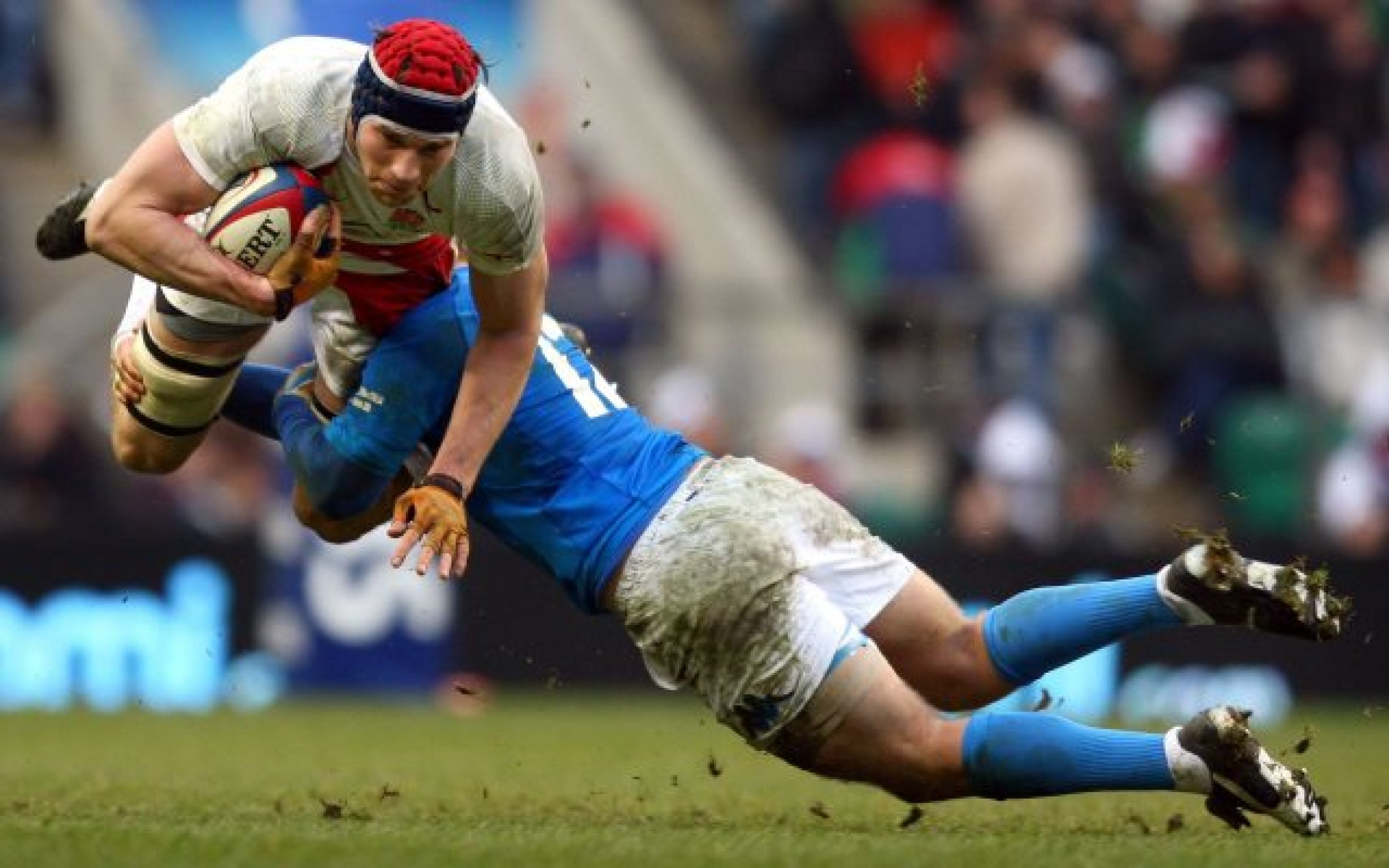
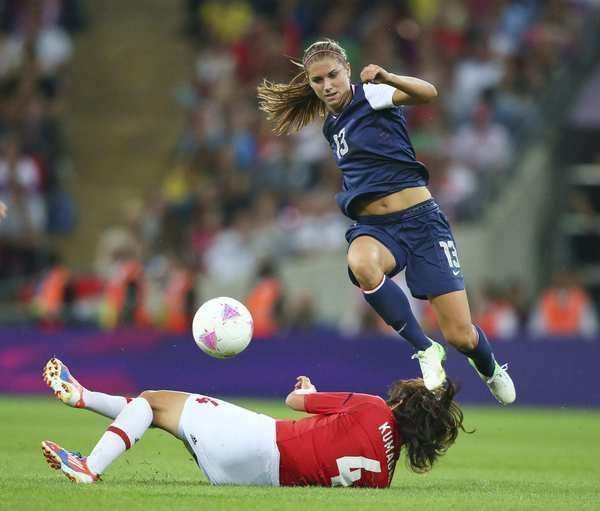
The POWERgrass hybrid system offers a playing surface that stands out for traction, stability and softness
- Softness in the contact phase of the player's foot on the surface, dissipating the energy thanks to the combination of a special geonet that collaborates with the roots
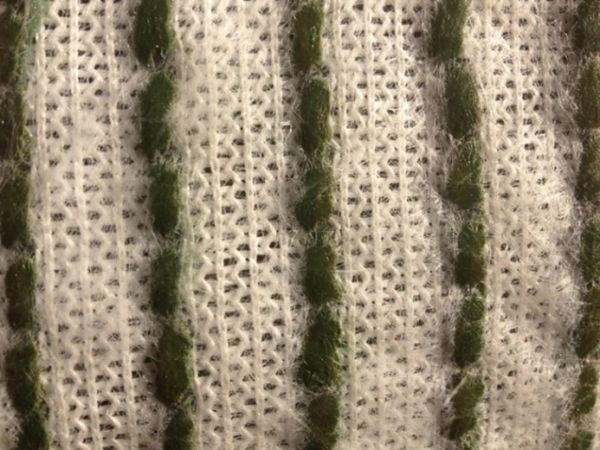
- Stability and tractionin the support phase of the player's foot thanks to the synthetic fibers that protect the clods of grass and the roots that are anchored on the geonet
- Energy return in the propulsion phase at the right time to support the player until the end of the match while preserving the muscles and joints
In short, a safe playing surface because it reinforces the natural grass turf!
The player quickly becomes familiar with the pitch and is more focused on the action, offering greater spectacle.
 traction, stability and softness." class="img-fluid">
POWERgrass hybrid field so you don't miss a step
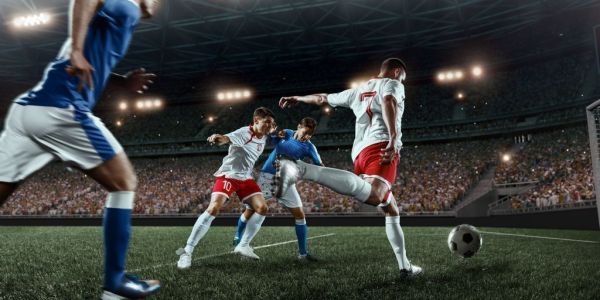
Coaches explain that ball control is the most important aspect of playing football. If the player manages to stop the ball on the first bounce he has achieved an elementary objective. In the hybrid POWERgrass surface, the bounce of the ball is natural and the player is supported by the reinforced turf, ensuring that the athlete can move quickly, change direction, accelerate or decelerate without ever losing a step.
Now it is possible to play safely on a playing field with:
- a uniform, planar and hole-free surface even when used intensively
- a draining playing field with traction even during rain to reduce falls,
- a stable turf, with a shock absorbing effect to prevent back pain,
- a turf that is cool in summer and frost-resistant in winter to increase the resilience of the turf and safety for the players,
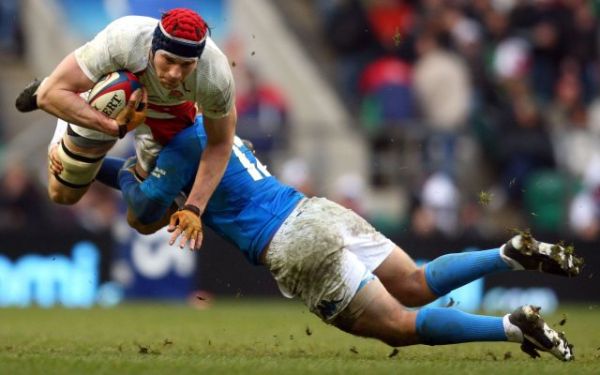
- a non-abrasive sports surface for sliding on soft surfaces.
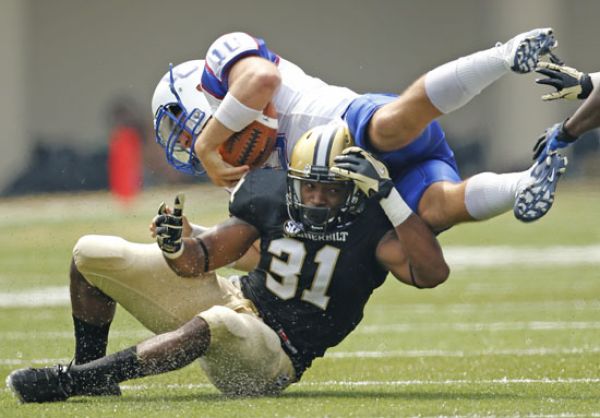
In the POWERgrass hybrid turf the player feels safer, therefore he is more inclined to mark and recover the ball while sliding, offering a spectacular game without risking abrasions on the skin, a characteristic of synthetic grass pitches while, on natural grass pitches, avoiding distortions when the grass clod rises causing the foot to sink and which we often observe when rooting is poor, especially during the winter period.
Performance and Game Safety Indices
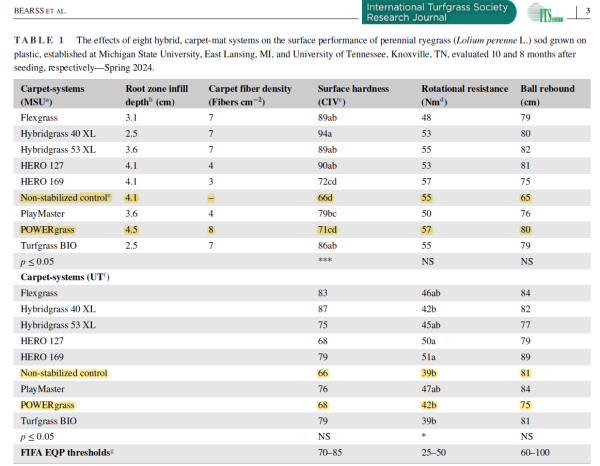
Hybrid grass pitches are classified as natural grass pitches according to FIFA standards, as they contain less than 5% synthetic fibres. This is understandable, given that it is difficult to standardize a system composed of 95% natural elements, which are subject to constant change. However, there is a system known as POWERgrass, which offers performance and playing safety very similar to that of natural grass and manages to keep them uniform over time, even at large distances, such as 900 km.
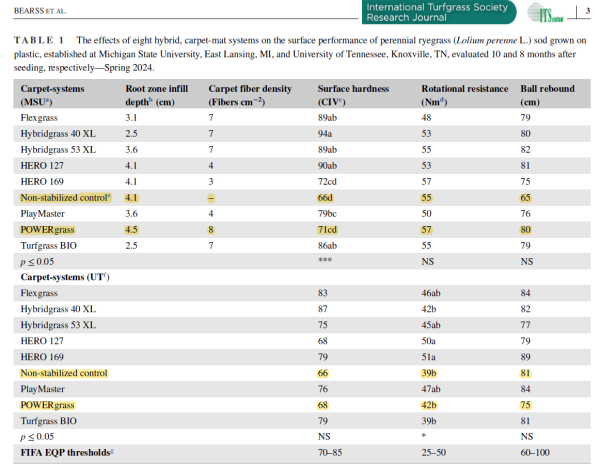
Many criteria determine the quality of a hybrid system, but for gaming we tend to mainly consider three fundamental parameters:
1. Surface Hardness: the Clegg impact value (CIV) of the playing surface must be between 65 and 100.
2. Rotational Resistance: the grip of the pitch, important for all game actions, must fall between 25 and 65 Nm.
3. Bounce of the ball: the height of the bounce, when the ball falls from a certain height, must be between 60 and 100 cm.
These parameters were the subject of a test conducted by FIFA at the Universities of Michigan (MSU - Michigan State University) and Tennessee (UT - University of Tennessee).
The test highlighted that all hybrid systems examined are suitable for a world tournament, however the data reveals some distinctive qualities of the POWERgrass system:
- It is the one that comes closest to the ideal performance of natural grass, used as a reference in both locations.
- The results relating to Surface Hardness are uniform on both sites, 900 km apart, thus contributing to greater standardization of the fields.
- Clegg's hammer measurements are near the lower end of the range, suggesting a softer pitch that is resistant to heavy footfall; this translates into greater game safety and fewer interventions necessary to alleviate compaction, especially when values approach 100 CIV.
The POWERgrass system is available with a high density of fibres per square metre, solidly anchored to the support with a force of 30 N. It is accompanied by a 12-year guarantee, which guarantees prolonged use and continuity of play, even if natural grass shows signs of failure in some areas. This allows for optimized maintenance planning, making the system much more sustainable from an economic, social and environmental point of view.
Attachments
Insights
Write to Us
For any kind of request write to us.