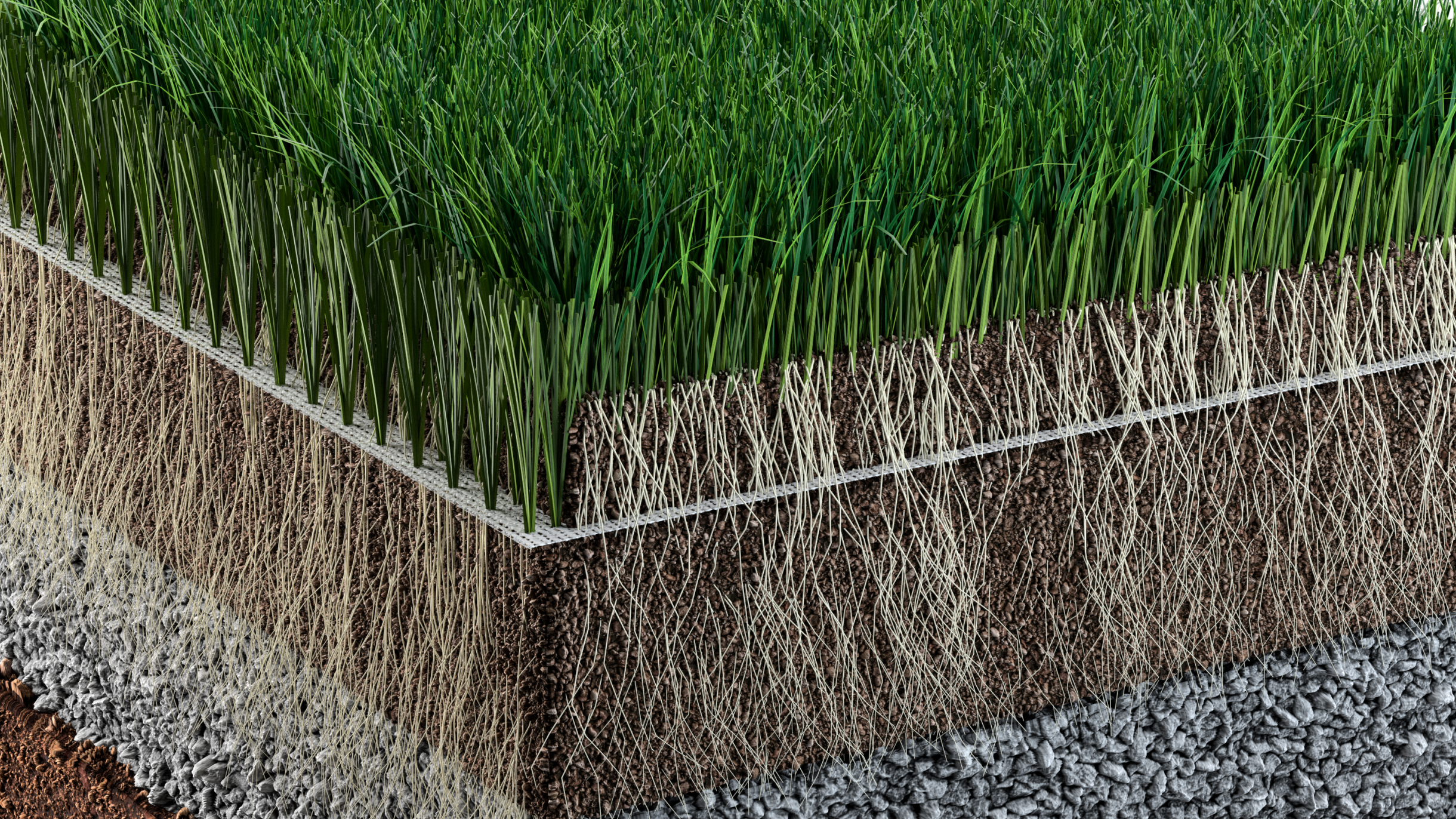
Hybrid grass
The POWERgrass® hybrid grass system represents an important innovation in the construction of sports fields
The POWERgrass hybrid grass system
The POWERgrass® hybrid grass system represents an important innovation in the construction of sports fields, combining the advantages of natural grass with those of synthetic grass to offer a resilient and sustainable playing surface.
This hybrid technology guarantees a field capable of resisting thermal stress and wear, while reducing maintenance costs.
The system incorporates only 3% synthetic grass, leaving the remaining 97% made up of natural grass, ensuring that the surface is always playable and safe, without potholes and with a predictable bounce of the ball. The POWERgrass® system allows up to 1200-1400 hours of play per year, offering optimal traction during sporting actions and a softness that cushions players' falls.
Hybrid grass fields suffer from less wear and tear as the roots penetrate the turf, keeping the surface intact and extending the life of the field to over 20 years with proper maintenance.

Natural and synthetic grass, if combined well, double the benefits!
POWERgrass® hybrid grass offers the ideal solution for players, investors and maintainers of sports fields. The hybrid grass system backing incorporates up to 3% synthetic grass to counteract the wear and tear of natural lawn. The remaining 97% of the turf is covered with natural grass. Our goal is to offer a surface that is always playable and above all without holes.
The POWERgrass® hybrid system offers numerous advantages:
- Predictability of the ball's bounce, exactly like a traditional natural grass pitch.
- Up to 1200 hours of play, for the northern climate and 1400 hours for the southern Italian climate per year, sufficient to satisfy the needs of most clubs.
- Slip resistance during player acceleration and deceleration. Anchoring the roots of the natural grass to the carpet offers better traction during changes of direction and reduces the risk of falls.
- Softness in the event of a fall: the player will have the sensation of falling on a natural field.
- Low maintenance costs. The grass recovers quickly after use while the roots penetrate the POWERgrass® carpet, minimizing the risk of tearing the clods and the formation of holes.
- Durability of over 20 years with careful and dedicated lawn care.
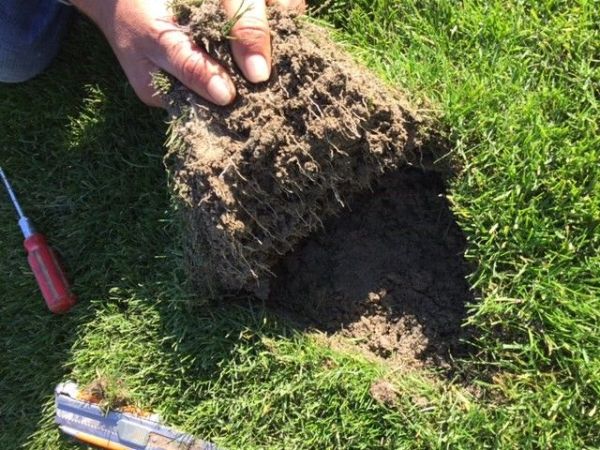
- Simplicity in removal and reuse. Removing hybrid turf is simple: with the "turd digger" machine the carpet is collected which will keep the natural grass anchored. Afterwards, the sod can be reused for public greenery, parks or home gardens.
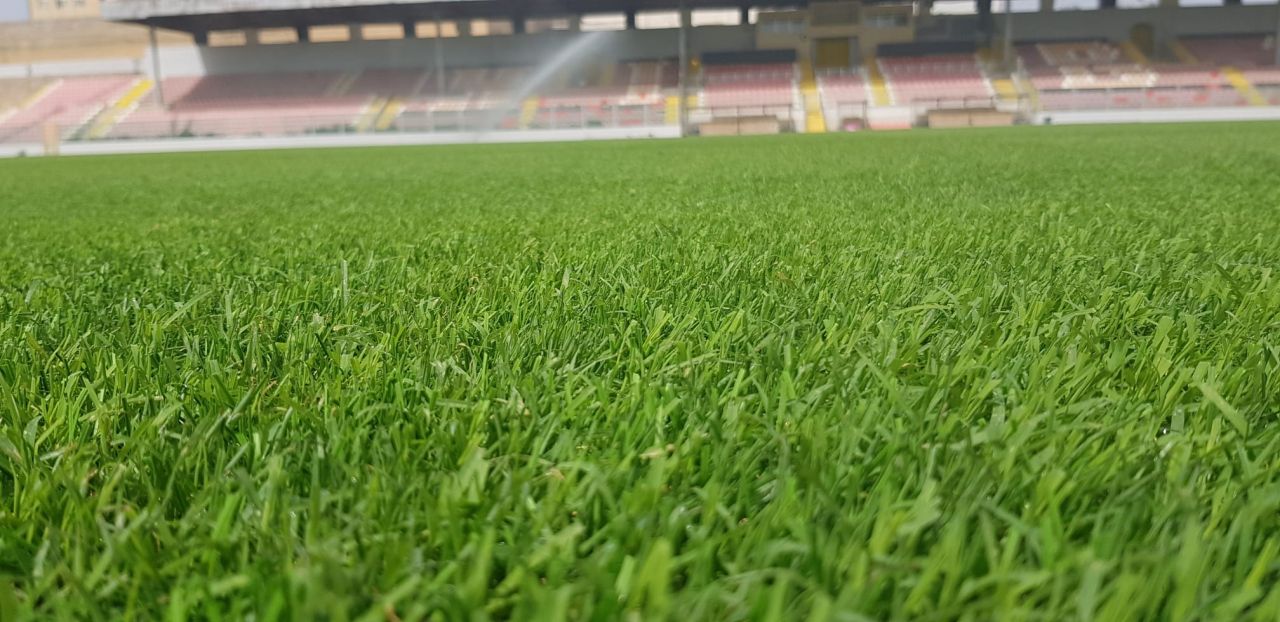
POWERgrass® establishes a new definition of "HYBRID FIELD"
POWERgrass® establishes a new meaning of "hybrid grass systems" that differ from the "fortified natural systems" we know so far. Hybrid turf systems must provide a surface where the natural grass can thrive within the system and endure for at least 20 hours of play per week during the growing season. At the same time, it must provide sufficient fibers protruding on the surface to play even without grass, because in winter the leaves of the plants can be damaged. This is only possible with on-site installation, as natural or reinforced grass sods are simply laid and cannot be sewn together like hybrid carpet rolls. This type of installation makes a huge difference to the lifespan of the hybrid grass system and the warranty itself. Hybrid carpet systems can also be supplied in large sods, but we can no longer consider this "hybrid field" but simply reinforced. For a good understanding POWERgrass® can deliver a hybrid field when installed directly on site or a reinforced natural field when the installation takes place in sods that include the hybrid carpet even if it is the same.
Hybrid grass systems are in fact an alternative to synthetic grass because the game never stops whether there is natural grass or not. Those who love playing on natural grass and wish to have a high-performance pitch that reduces maintenance and overall costs, choose the POWERgrass® system and contribute to the diffusion of new ecological methods to operate based on the guidelines of the circular economy.
The characteristics of the playing fields
Nowadays, the most prestigious playgrounds are made of natural or reinforced natural grass, while the intensive ones are made of synthetic grass.The national federations and FIFA have established the quality criteria LND STANDARD (FIFA QUALITY) or LND PROFESSIONAL (FIFA QUALITY PRO) for the construction of synthetic pitches
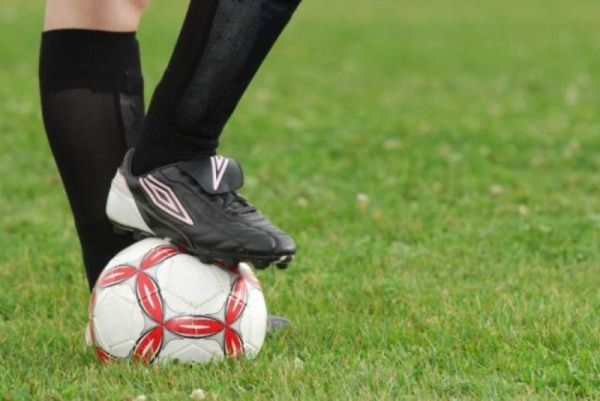
According to FIFA regulations, all playing fields must guarantee:
- the drainage of rainwater to avoid the formation of puddles and making the game difficult;
- the flatness of the surface because any depressions and irregularities can deviate and slow down the trajectory and bounce of the ball;
- the restoration of damage and necklines of the synthetic turf to avoid the risk of ankle and knee sprains and offer greater confidence to players.
In recent years, new parameters have been added to estimate the quality of the playing surface:
- the softness of the pitch to improve comfort and cushion the blow in the event of falls;
- the stability of the sports surface to support the player during every action on dry and wet surfaces;
- the tensile resistance of the surface to improve the grip of the shoes, offer more entertainment and reduce the risk of falls.
Although synthetic grass fields undergo few changes during the season, on natural grass fields these characteristics change rapidly and require continuous maintenance.
The players' point of view
During the game the player accelerates, decelerates and changes direction continuously. Consequently, the adherence of the shoes to the playing surface is essential to support the player and avoid involuntary slips and/or falls. 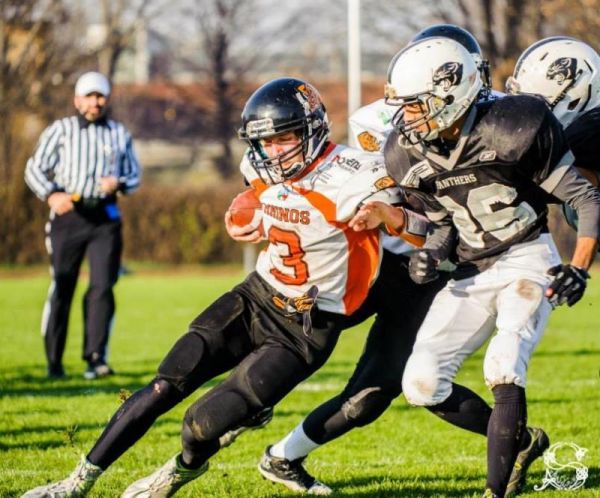
Although synthetic turf pitches have made considerable progress in terms of quality, professional players do not seem to be convinced that they experience muscle problems more frequently on a synthetic turf pitch than on natural turf pitches.
The problem of natural pitches is even more complex because the pitch undergoes significant variations based on weather conditions and the quality of maintenance. On the one hand, players complain about the conditions of the playing field but, on the other hand, it is objectively difficult to keep a natural grass pitch always in excellent condition.
We experienced a clear example in the Trieste stadium during the 2020 European U21 championship. The Municipality of Trieste has a beautiful stadium and spends an average of 13,500.00 euros per month, plus ancillary costs (VAT, technical costs, etc.) to keep the grass efficient in 22 matches on the natural grass during the championship.
The risk that, during a cold and rainy winter, the natural grass will have to be completely replaced is high, so you need to have at least 130,000.00 euros in reserves. In Italy, every year through 10-12 stadiums they fail to keep the grass in good playing condition and change the sod especially after a hot summer. It is no coincidence that several stadiums are in a terrible state due to a lack of funds or know-how for the care of the greenery.
The Limits of Synthetic...
In our work we are always in contact with managers, former players, who complain about the conditions of the synthetic pitch based on past experiences. When the pitch is hard, players experience back pain or burning ligaments.
Several studies have revealed thatankle or knee sprains are more frequent on synthetic grass fields than on natural ones. The researchers concluded that synthetic turf has an excessive grip on the player's shoe. Natural grass, on the contrary, tends to yield to the player's rotational force, allowing a more natural rotation that does not damage or injure the athlete.
On the interaction of the player's shoes with the sports surface, once again, only synthetic grass is tested. The first test concerns the slipperiness of the surface. A tool is used that simulates the player's boot and provides measurements regarding the risk of slipping. The second test concerns the traction of the pitch. A round plate with studs similar to those of a football boot is used. The plate rotates progressively and is able to measure the force necessary to have a 45° rotation.
The cause of this "greater grip" on the part of synthetic grass fields can be attributed to the synthetic fibers which tend to remain "lying" on the surface after only 2-3 seasons. When the synthetic filaments are not in a vertical position, friction and resistance to rotation increase significantly; this event becomes worse if you are in a climate with high temperatures. Synthetic turf producers claim that this risk can be reduced with replenishment to maintain correct clogging, continuous brushing and refreshing of the pitch.
More investigations are due to synthetic grass fields with rubber infill as "the elastic return acts as a grinding stone for the player's back".
We at POWERgrass® have come to a different conclusion because nowadays, the biggest problem with synthetic turf is not excessive "cleat grip" to synthetic fibers because resilient fibers have been developed in recent years. Furthermore, football players are not dancers and do not need to perform intense rotational actions on the supporting foot.
In our opinion, the biggest problem with synthetic grass fields is in fact the slipperiness of the surface because the stud does not have enough grip on the synthetic surface because the infill is in loose granules without consistency and when they are compacted the studs do not penetrate sufficiently into the ground. The ligaments work harder to compensate for the instability of the surface, the player loses grip and therefore speed and traction.
... and the Problems of the Natural
Every player's dream is to play on a thick and homogeneous natural pitch. However, what players often don't think about is the difficulty of maintaining a natural field in excellent condition every day for the entire duration of the season.
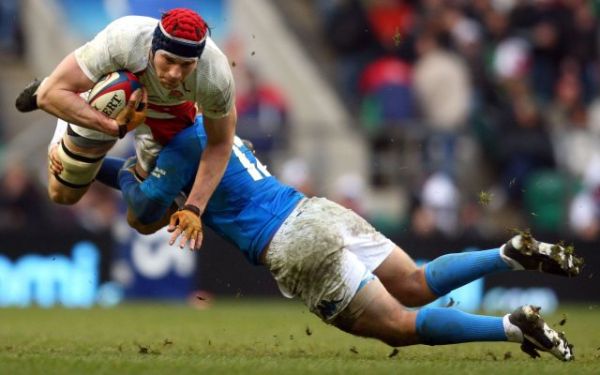
With intense use, the natural grass field is easily damaged, in any sport! A footballer who hits the ball too low or a rugby player who makes a tackle... The turf of natural grass tears easily. After each match, especially if professional, the turf raised in the most damaged points must be restored and, if the damage is serious, the turf must be replaced. In addition to being a long and expensive job, the results are often not optimal because the new sods need months to integrate with the rest of the field.
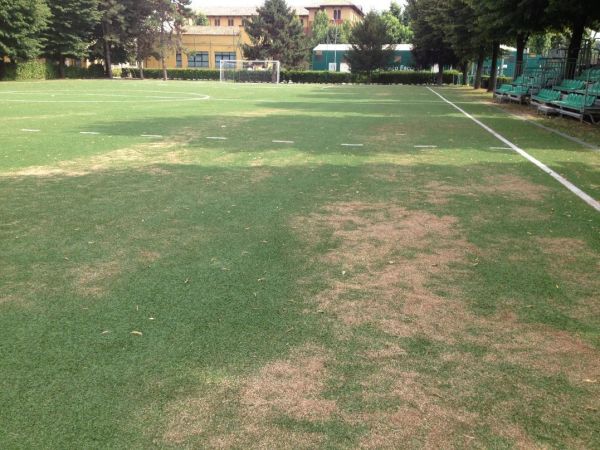
Building and maintaining a natural grass field is often a challenge in both cold and hot climates. If the temperature is outside the ideal growth range or, for reasons of limited time availability, we resort to transplanting clumps of grass grown in the nursery but it is a costly and costly operation and it is not easy to ensure that everything works properly. Lawn diseases during sod transplanting are common when the lawn is under severe stress. Sudden thermal stress can cause serious damage.
The POWERgrass® solution
The POWERgrass® hybrid field is the perfect combination of synthetic and natural. The POWERgrass® hybrid system was specifically developed to eliminate the problems of traditional synthetic carpets while offering the best base for growing natural grass. By installing in situ, a uniform surface is formed where it is possible to play immediately or 4 weeks after sowing on reinforced natural lawn. Once the turf reaches the desired density, the risk of distortion is reduced because the natural grass covers 97% of the surface and allows the boot to rotate with the player. The risks of slips and falls are reduced because the roots penetrate and anchor to the hybrid support, offering greater resistance to traction. The feeling is that of playing on a natural pitch that is easy to keep in perfect condition during the competitive season.
At the same time, the system has much lower maintenance costs than purely natural fields. The fibers protect the crown of the plant from trampling which quickly regenerates while the roots penetrate our carpet making it much more difficult for the player to "tear" the natural lumps. The presence of hybrid grass strengthens the natural pitch in all its aspects. The risk that the player will create a hole is zero. If, for any reason, the natural grass has not yet grown or has suffered damage, players can still play on synthetic until the next 3-4 week sowing interval.
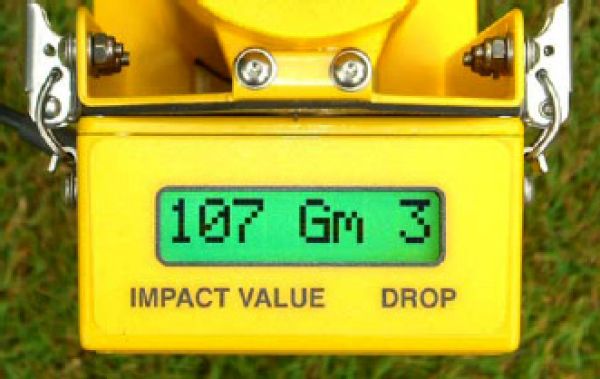
In a hybrid field like POWERgrass®, the absence of holes is evident and is the first saving in the maintenance budget. The softness and tensile strength of the playing surface can be measured and maintained uniformly for a long period and with extreme ease. Thanks to numerous studies conducted by the industry, it has been possible to develop tools, first of all the Clegg hammer which allows you to measure the hardness of the sports surface by your groundsman in less than an hour. According to numerous studies, all technicians agree that the ideal values measurable on the football pitch are in the range between 65 and 85 Gm; values higher than 85 Gm are acceptable but the value of 100 Gm must NOT be exceeded. To keep the pitch soft, it is sufficient to water before the match and, if this is not sufficient, aerate the substrate with a hole punching machine equipped with thin nails.
The hybrid pitch created in the Riviera delle Palme stadium in San Benedetto del Tronto gave further proof of our innovation and our know-how. Sambenettese played their first match 17 days after seeding and coach Montero was impressed. We ourselves were incredulous of the potential of the POWERgrass® system because we have done in-depth studies that few today are able to even understand. We replicated another original experience in 2021 in the Hibernians Tony Bezzina stadium in Malta. The natural hybrid pitch was installed in 4 weeks and after 4 weeks of growth it was delivered to the team for daily training. In the 2021/2022 season, Hibernians trained and played on the same pitch that was used for official matches, including by other Maltese teams, three times a week. Training and playing on the natural hybrid POWERgrass® pitch helped Hibernians win the Maltese championship to the delight of the whole team.
Attachments
Insights
Write to Us
For any kind of request write to us.