To create an effective hybrid grass system, it is not sufficient to use an artificial turf with a support that allows the roots to penetrate. When trampling becomes intensive, the mere presence of the artificial threads, as well as the presence of the artificial warp and weft support, can make the playing surface much more rigid for play. (The ideal limit is 65-85 IV measured at the first impact with Clegg's hammer).
It is worth remembering that in stadiums very often almost entirely river sand is used in the plant substrate to increase the infiltration speed of rainwater and minimize the risk of suspending matches in the event of heavy rainfall. However, the sand layer tends to "concrete" due to constipation and the limestone present in the water and fertilizers used for the maintenance of natural grass. The infiltration of water into a USGA compliant sand substrate is approximately 11 mm/min equal to 660 mm/hour but, once laid out, compacted and covered with turf, it is further compacted by the players. In this way, the substrate becomes hard and its permeability decreases below the regulatory limits of 360 mm/hour, and this is why very often there is also a superficial flow of water, the impossibility of penetrating the turf and the first layer of sand.
In fact, the maintenance workers of these fields often practice 1-2 times a month the so-called perforation with the Verti-Drain to break up the soil and restore the permeability of the sand layer
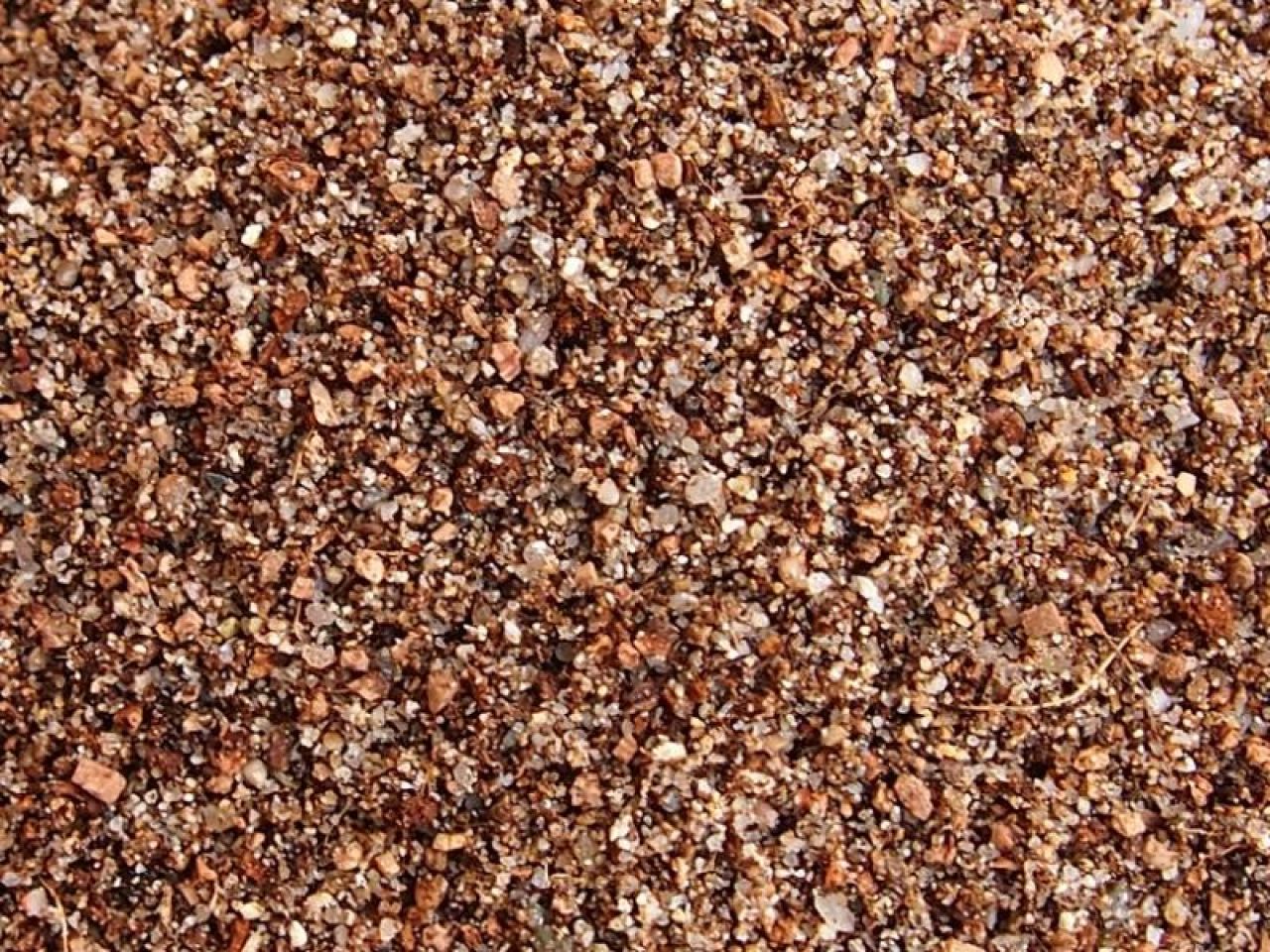
It is possible to overcome these inconveniences by mixing the gentle cork with the vegetal layer of sand. The use of cork is known as a component of the performance infill for synthetic turfs and has also been used as a soil improver for the sandy substrate in the construction of golf greens in Germany. In fact, by applying it in the innovative POWERgrass hybrid system, cork represents an essential element that has significantly raised the quality standard while also preventing compaction of the substrate.
In our tests, a substrate mixed with cork, USGA sand and zeolite recorded a water infiltration speed of 18.63 mm/min compared to the 9.88 mm/min recorded with the same sand mixed with peat which corresponds to a standard mixture of a growth substrate in accordance with USGA standards. For this reason, integrating cork into the sand substrate also significantly increases water drainage.
Another advantage concerns the elasticity of cork which remains unchanged over time. The fine cork is mixed into the sand, normally used for quality cork stoppers with a fine grain of 0.5-2.5 mm, with a forecast of a duration of 100 years for 60% of the product supplied. This feature offers two advantages:
which attribute characteristics of the type:
to the growth substrate
To create an effective hybrid grass system, it is not sufficient to use an artificial turf with a support that allows the roots to penetrate. When trampling becomes intensive, the mere presence of the artificial threads, as well as the presence of the artificial warp and weft support, can make the playing surface much more rigid for play. (The ideal limit is 65-85 IV measured at the first impact with Clegg's hammer).
It is worth remembering that in stadiums very often almost entirely river sand is used in the plant substrate to increase the infiltration speed of rainwater and minimize the risk of suspending matches in the event of heavy rainfall. However, the sand layer tends to "concrete" due to constipation and the limestone present in the water and fertilizers used for the maintenance of natural grass. The infiltration of water into a USGA compliant sand substrate is approximately 11 mm/min equal to 660 mm/hour but, once laid out, compacted and covered with turf, it is further compacted by the players. In this way, the substrate becomes hard and its permeability decreases below the regulatory limits of 360 mm/hour, and this is why very often there is also a superficial flow of water, the impossibility of penetrating the turf and the first layer of sand.
In fact, the maintenance workers of these fields often practice 1-2 times a month the so-called perforation with the Verti-Drain to break up the soil and restore the permeability of the sand layer
It is possible to overcome these inconveniences by mixing the gentle cork with the vegetal layer of sand. The use of cork is known as a component of the performance infill for synthetic turfs and has also been used as a soil improver for the sandy substrate in the construction of golf greens in Germany. In fact, by applying it in the innovative POWERgrass hybrid system, cork represents an essential element that has significantly raised the quality standard while also preventing compaction of the substrate.
In our tests, a substrate mixed with cork, USGA sand and zeolite recorded a water infiltration speed of 18.63 mm/min compared to the 9.88 mm/min recorded with the same sand mixed with peat which corresponds to a standard mixture of a growth substrate in accordance with USGA standards. For this reason, integrating cork into the sand substrate also significantly increases water drainage.
Another advantage concerns the elasticity of cork which remains unchanged over time. The fine cork is mixed into the sand, normally used for quality cork stoppers with a fine grain of 0.5-2.5 mm, with a forecast of a duration of 100 years for 60% of the product supplied. This feature offers two advantages:
which attribute characteristics of the type:
to the growth substrateTo create an effective hybrid grass system, it is not sufficient to use an artificial turf with a support that allows the roots to penetrate. When trampling becomes intensive, the mere presence of the artificial threads, as well as the presence of the artificial warp and weft support, can make the playing surface much more rigid for play. (The ideal limit is 65-85 IV measured at the first impact with Clegg's hammer).
It is worth remembering that in stadiums very often almost entirely river sand is used in the plant substrate to increase the infiltration speed of rainwater and minimize the risk of suspending matches in the event of heavy rainfall. However, the sand layer tends to "concrete" due to constipation and the limestone present in the water and fertilizers used for the maintenance of natural grass. The infiltration of water into a USGA compliant sand substrate is approximately 11 mm/min equal to 660 mm/hour but, once laid out, compacted and covered with turf, it is further compacted by the players. In this way, the substrate becomes hard and its permeability decreases below the regulatory limits of 360 mm/hour, and this is why very often there is also a superficial flow of water, the impossibility of penetrating the turf and the first layer of sand.
In fact, the maintenance workers of these fields often practice 1-2 times a month the so-called perforation with the Verti-Drain to break up the soil and restore the permeability of the sand layer
It is possible to overcome these inconveniences by mixing the gentle cork with the vegetal layer of sand. The use of cork is known as a component of the performance infill for synthetic turfs and has also been used as a soil improver for the sandy substrate in the construction of golf greens in Germany. In fact, by applying it in the innovative POWERgrass hybrid system, cork represents an essential element that has significantly raised the quality standard while also preventing compaction of the substrate.
In our tests, a substrate mixed with cork, USGA sand and zeolite recorded a water infiltration speed of 18.63 mm/min compared to the 9.88 mm/min recorded with the same sand mixed with peat which corresponds to a standard mixture of a growth substrate in accordance with USGA standards. For this reason, integrating cork into the sand substrate also significantly increases water drainage.
Another advantage concerns the elasticity of cork which remains unchanged over time. The fine cork is mixed into the sand, normally used for quality cork stoppers with a fine grain of 0.5-2.5 mm, with a forecast of a duration of 100 years for 60% of the product supplied. This feature offers two advantages:
which attribute characteristics of the type:
to the growth substrate