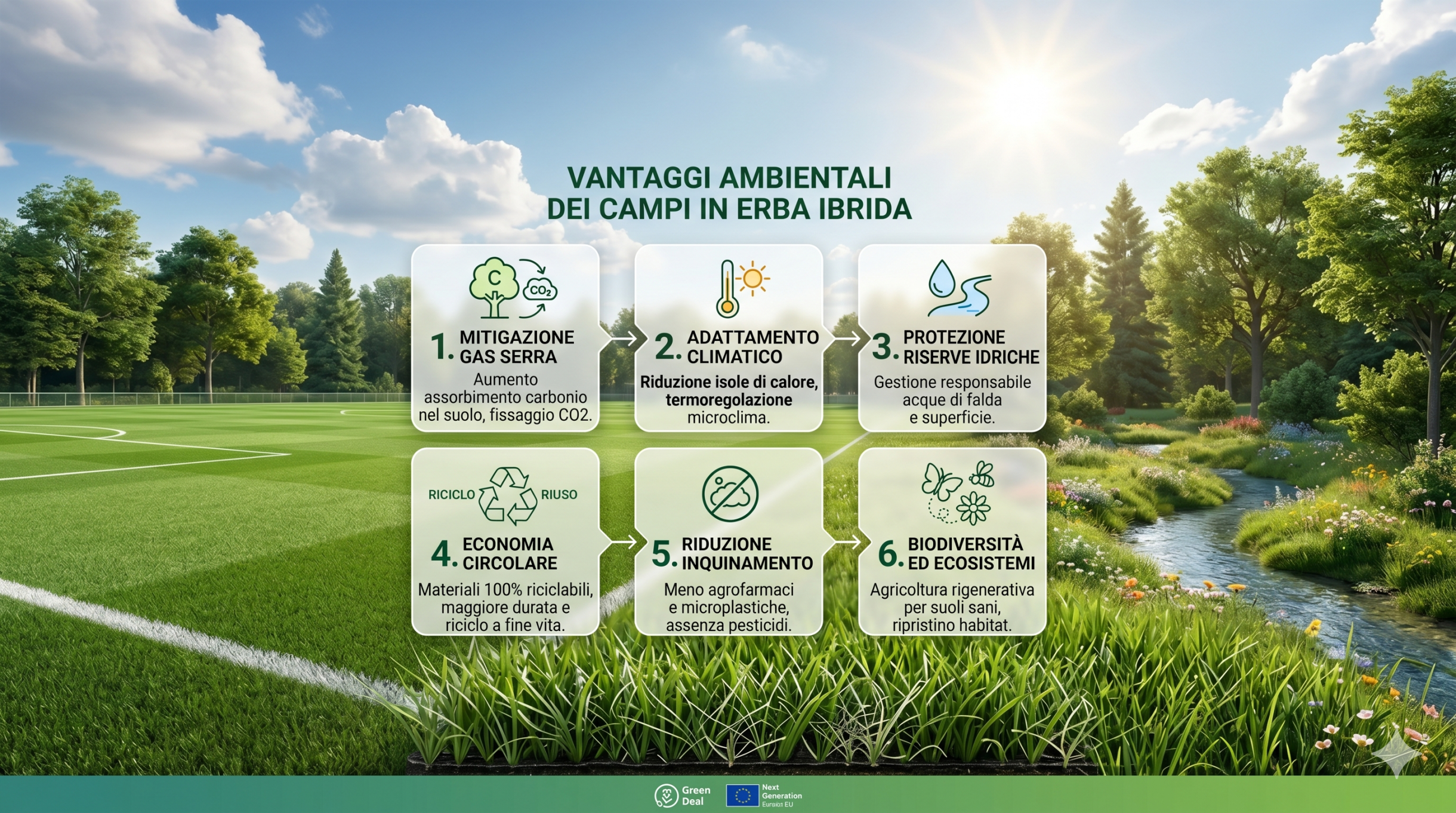
Environmental Benefits
An economic activity must not lead to significant greenhouse gas (GHG) emissions
1. Mitigation of greenhouse gas emissions
The advantages of hybrid systems 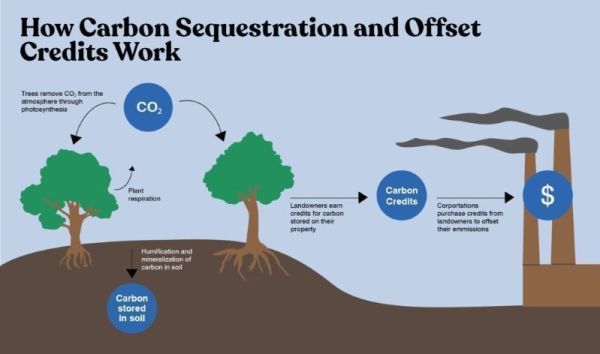
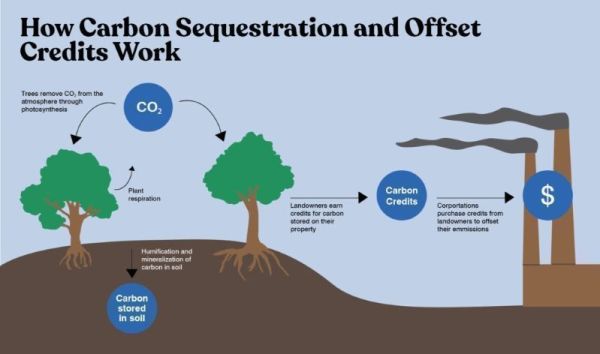
An effective hybrid system uses natural cork which is renewable; furthermore, the consumer products (organic fertilizers and compost), to stimulate the growth of natural grass, are of sustainable origin. From sowing and throughout the use and maintenance phase, natural grass captures, conserves and uses a greater quantity of CO2 thanks to the application of the teachings of regenerative agriculture. Humans have a minimal impact on water vapor, which mainly depends on the natural water cycle, but since plants, through transpiration, release water vapor into the air at a lower temperature, this cools the air and reduces the heat island effect, contributing to the comfort of athletes and spectators.
In completely synthetic fields, however, the use of cork or other vegetable granules is preserved for a short period because it shatters from play or is removed by water and wind. The replenishment, brushing and aerating operations have a negative impact without any compensation for CO2 emissions and finally contributes to the increase in the heat island effect.
Extracting what is considered relevant to sports fields, article 10 of EU regulation 2020/852 cites the following:
d) the transition to the use of renewable materials of sustainable origin;
e) the increase in the use of carbon capture and utilization (CCU) and carbon capture and storage (CCS) technologies, which are not harmful to the environment, which allow a net reduction in greenhouse gas emissions;
f) the strengthening of carbon absorption sinks in the soil, also through activities aimed... at regenerative agriculture;
(i) supporting one of the activities listed in points (a) to (h) of this paragraph in accordance with Article 16.
Article 16 of the aforementioned regulation cites the following:
a) does not lead to a freeze of assets that compromise long-term environmental objectives, taking into account the economic life of such assets; and
b) has a significant positive impact on the environment, based on considerations relating to the life cycle.
THE EXPERTS AGREE
- When creating a playing field, to achieve this objective it is necessary to make a list of the materials, the time taken by the machinery and the consumption for construction and maintenance for the entire life cycle of the field, taking into account direct and indirect emissions. The use of cork grain, aggregated in the grass growth substrate inside the hybrid carpet, allows it to be preserved for a duration well beyond the time needed for the plant to reproduce it (generally every 10 years). The compost used in the sowing phase and the use of national organic fertilizers reduce emissions linked to the transport of synthetic fertilizers often imported from overseas.
- The direct emissions are those relating to the three phases of a) construction, b) maintenance and c) disposal of the field, therefore, the operating time of the machinery used and the energy consumption (electricity and fuel) at each of these phases must be taken into account. The emissions in the first and third phases must be spread over the entire useful life of the playing field. Indirect emissions are those relating to the extraction or manufacture of materials, the necessary quantity used in the project, the distance from the place of origin which can influence the choice of one material over another during design. The hybrid system makes limited use of extracted minerals, favors the use of silica sands suitable for the growth of natural grass, in the state in which they are found in the extraction site close to the field, to reduce costs and the impact of transportation, and in general the entire system is designed to offer double the life of a fully synthetic system. During the use and maintenance phase, most of the interventions fall within scheduled maintenance where battery-powered machines are applicable, while extraordinary maintenance for replacing the turf is estimated after at least twenty years. During the decommissioning phase, a large part of the material is reusable for the construction of a turf resistant to trampling, reducing the costs and emissions associated with disposal.
- An effective hybrid turf system curated with the teachings of regenerative agriculture enhances the photosynthesis of natural grass and captures more CO2 thanks to the intensive cultivation of the turf. The method contributes to a greater production of sugars, which partly passes to the microorganisms associated with plant growth that make the lawn and microorganism ecosystem a sink for carbon absorption in the soil.
- Increasing the potential of photosynthesis also increases the contribution to the lowering of atmospheric temperature both because the concentration of CO2 in the atmosphere is reduced and as attributed to water vapor (H2O). In fact, plants, through water transpiration, carry out an important action of refreshing the air day and night. The usefulness of plants in mitigating the urban climate is considered the most economical strategy to counteract the growth of the so-called "hot island".
2. Adaptation to climate change
The advantages of hybrid systems 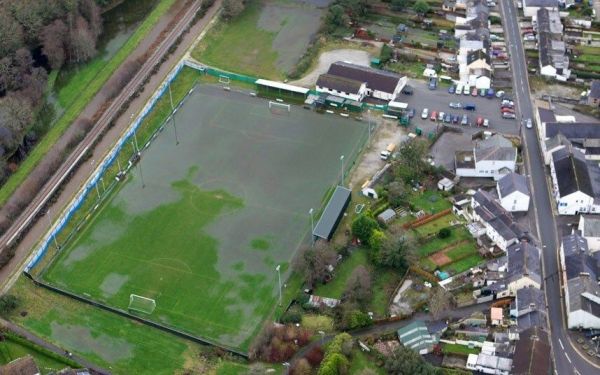
An economic activity must not lead to a greater negative impact on the current and future climate, on the activity itself or on people, nature or goods.
An effective hybrid system includes an artificial support that reduces soil compaction, provides an anchoring point for the roots, reduces evaporation of water, and provides an insulating effect that smoothes out temperature changes in the lower growing medium to protect the roots that clump everything together. Furthermore, it includes a filter substrate with mineral amendments and a drainage system to quickly absorb from the surface but, at the same time, retain and store rainwater to reuse it directly for grass growth. All elements that guarantee resilience to climate changes despite the frequent use of the field for matches and training.
The system does not suffer damage from floods and, in the event of prolonged drought or excessive heat, it is easily recoverable without suffering irreversible damage because the fiber is protected by the grass on the surface and, even if it may suffer some damage, the pitch remains playable and the lawn is easy to regenerate.
In fully synthetic fields, however, flooding can easily dislodge the infill and even move the carpet, excessive heat causes the synthetic fiber to age prematurely, reducing its resistance to UV rays, and drought can make the organic infill hydrophobic and more susceptible to trampling.
3. Protection of water bodies
The advantages of hybrid systems 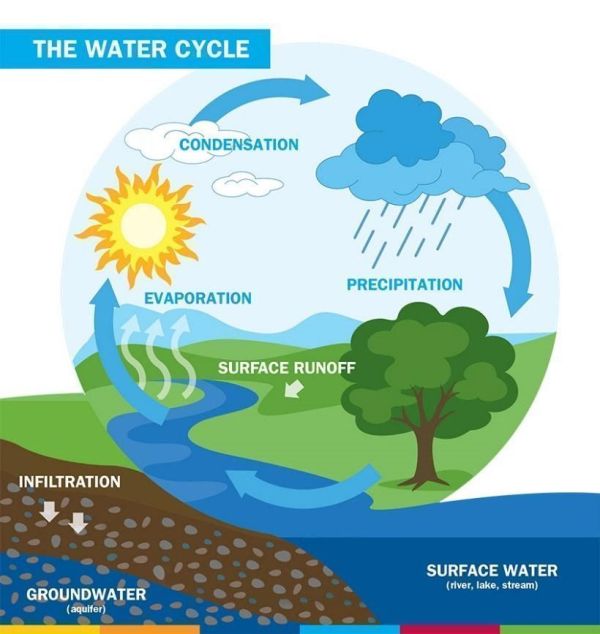
An economic activity must not be harmful to the good status of water bodies (surface, underground or marine) and lead to qualitative deterioration or reduction of ecological potential.
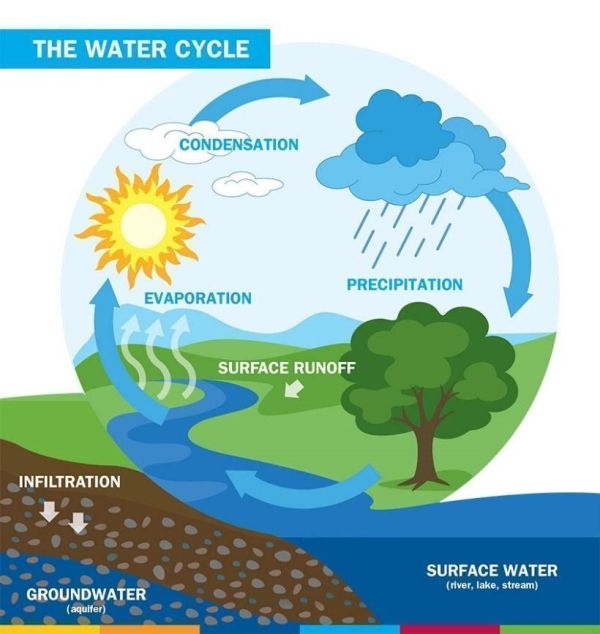
The natural hybrid system does not contain rubber granules that could pollute surface water bodies in the event of flooding and features rich grassy vegetation which, despite frequent trampling, prevents erosion of the system and favors the recharging of water bodies with clean water. In combination with ecological maintenance, limited use of pesticides and synthetic fertilizers is made, avoiding pollution of groundwater. Furthermore, biological activity and organic matter are increased by retaining more of the early rainfall in the rhizosphere, helping to restore the natural water cycle, reducing evaporation and the need for supplemental irrigation.
In completely synthetic fields, however, the infill material is spread loosely on the surface; the support of the artificial carpet has a limited quantity of holes (approximately 70/m2) so, based on the specific weight, the performance granules tend to float and be transported with the water in case of heavy rain. The artificial carpet rests on the ground thanks to the weight of the infill and, in the event of a flood, the system can suffer damage due to the movement of the carpet and the infill. The biological activity is low and, according to experts, requires sanitization every two months, while the water applied during irrigation evaporates quickly on sunny days. The subfloor is designed with draining aggregates and crushed sand on the surface which, if it works correctly, tends to transport rainwater directly into the sewer, affecting the flow rate of the municipal sewer system. In case of calcification of the sand of the last layer of subgrade, there is an increase in the surface flow on the artificial carpet, which favors the fluctuation of the infill.
Reading the legislation we extracted what we considered relevant to sports fields: article 12 of EU regulation 2020/852 mentions the following:
(a) protecting the environment from the adverse effects of urban and industrial wastewater discharges, including contaminants of new concern, such as pharmaceuticals and microplastics, for example by ensuring the adequate collection, treatment and discharge of urban and industrial wastewater; c) improving water management and efficiency, including by protecting and improving the state of aquatic ecosystems, promoting the sustainable use of water through the long-term protection of available water resources, including through measures such as water reuse, ensuring the progressive reduction of polluting emissions in groundwater and surface water, helping to mitigate the effects of floods and droughts, or through any other activity that protects or improve the qualitative and quantitative status of water bodies;
THE EXPERTS AGREE
- In synthetic sports fields, the risk of pollution of water bodies is linked to the dispersion of microplastics (pieces smaller than 5 mm) caused by the presence of rubber granules in the infill and by the crushing of the synthetic fibers following intense play and exposure to the sun. The POWERgrass type hybrid system does not contain rubber granules which can be dispersed in waterways while the synthetic fibers are protected from the sun's UV rays and from excessive wear caused by playing activity thanks to the natural grass which in turn covers the synthetic grass.
- In natural sports fields, the use of synthetic fertilizers, pesticides and sewages from farms pollute waterways due to soil run-off. POWERgrass promotes the spread of regenerative agriculture for the maintenance of natural grass because, in addition to being more effective, it makes the lawn resilient to biotic and abiotic stress, without using pesticides. The supply of nutrients is reduced by 50% and, in addition, by favoring liquid fertilization which is rapidly absorbed by plants, the risk of pollution of water bodies is prevented.
- Capturing and sequestering CO2 involves an increase in organic substance in the soil thanks to a rich biological activity associated with the roots which, in turn, allows a greater quantity of rainwater to be stored and purified, also mitigating drought phenomena. Furthermore, the micro-cracks of sand practiced in the existing soil favor the storage of water in the soil for subsequent direct reuse by the roots of the natural grass and make the lawn less dependent on irrigation. In areas where long periods of drought persist alternating with heavy rainfall, the installation of large storage tanks allow rainwater to be conserved for irrigation use.
- The POWERgrass field is equipped with monitoring probes of the growth conditions in the soil and the weather, providing valuable information for managing the irrigation system and preventing water stress and optimizing consumption. The irrigation system is equipped with a control unit, even remotely, to make the change in programming more flexible based on sudden climate changes.
- In some areas, climate change is often characterized by alternating periods of drought and heavy rains that cause floods. In the hybrid system, the filling material is mainly made up of sand that does not float, the roots of the grass anchor themselves to the network of the artificial support and aggregate the system to the underlying soil together with the synthetic fibers and does not suffer any erosion damage in the event of floods.
4. Transition to the circular economy
The advantages of the hybrid system 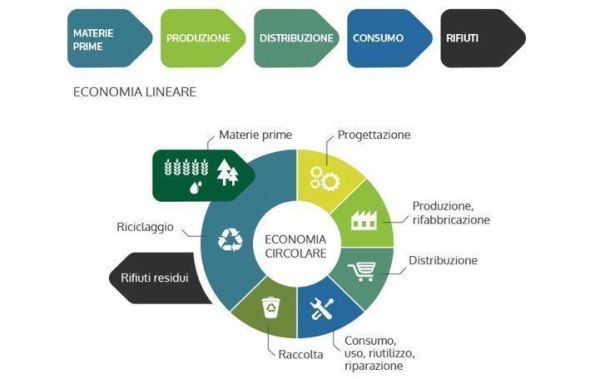
An economic activity must not lead to significant inefficiencies in the use of recovered or recycled materials, to increases in the direct or indirect use of natural resources, to a significant increase in waste, to their incineration or disposal, causing significant long-term environmental damage.
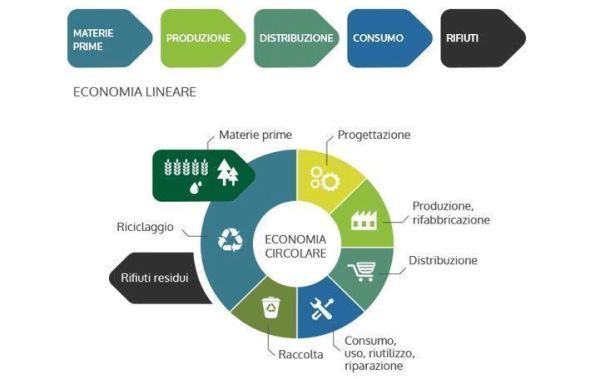
An effective hybrid system must aim for zero waste, reduce the need for extraction and production of materials and, where possible, favor the use of recycled, recyclable or renewable products from sustainable sources. Furthermore, it must provide for the extension of the useful life of the system by integrating an effective and environmentally friendly maintenance plan for the entire life cycle of the system, reduce the risks of damage and costs associated with unscheduled maintenance and, at the end of its useful life, provide for the reuse of the system and/or its various components in the vicinity of the installation site.
On fully synthetic fields, however, reusing the infill sand is difficult because, at the end of its life cycle, the sand mixes with the rubber during the removal of the system. In order to reuse the sand in the new system, after separation from the rubber, which must be removed from all synthetic grass fields by 16 October 2031, it will have to be separated, dried through processing in complex plants and then recertified, which would make its cost exorbitant. At the end of its life cycle, the synthetic carpet has no commercial value, nor safe use for the environment, therefore, it is not reusable because the fiber loses its resistance to UV rays after 1,300 Kly of exposure to the sun and can easily break, producing microplastics. The recycling of artificial carpets is complex and expensive also because it most often includes thermosetting adhesives such as latex or polyurethane to fix the fibers to the support, which make it impossible to fuse all the material.
Extracting what is considered relevant to sports fields, article 13 of EU regulation 2020/852 mentions the following:
a) uses natural resources, including bio-based materials of sustainable origin and other raw materials, in a more efficient way, in production, including through:
i) reducing the use of primary raw materials or increasing the use of by-products and secondary raw materials; or
ii) energy and resource efficiency measures;
b) increases the durability, reparability, the possibility of improvement or reusability of the products, in particular in design and manufacturing activities;
c) increases the recyclability of the products, including the recyclability of the individual materials contained therein, also by replacing or reducing the use of non-recyclable products and materials, in particular in design and manufacturing activities;
d) substantially reduces the content of dangerous substances and replaces substances of very high concern in materials and products throughout their life cycle, in line with the objectives indicated in Union law, including by replacing such substances with safer alternatives and ensuring the traceability of products;
e) prolongs the use of products, including through reuse, design for longevity, change of use, disassembly, remanufacturing, improvement and repair, and sharing of products;
f) increases the use of secondary raw materials and the improvement of their quality, also through high-quality recycling of waste;
g) prevents or reduces the production of waste, including the production of waste resulting from the extraction of minerals and the construction and demolition of buildings;
h) increases preparation for the reuse and recycling of waste;
j) minimizes waste incineration and avoids waste disposal, including landfilling, in accordance with the principles of the waste hierarchy;
k) avoids and reduces the dispersion of waste;
THE EXPERTS AGREE
- The hybrid grass system requires a moderate amount of extraction resources because it is possible to install the system on top of the existing agricultural land, creating a vertical drainage system, crossing the diagonal trenches with the micro-perforated pipes with the sand slots. To grow a highly usable lawn, it is sufficient to place a 12 cm layer of fined sand placed 2/3 in the lower part of the substrate and 1/3 inside the hybrid carpet.
- The hybrid system has integrated gentle cork into the sand layer to preserve thesoftness of the system and increase the resistance to compaction of the surface, a material that is renewable by plants in a sustainable way because it does not require special care from humans. Furthermore, it is possible to request that the hybrid carpet be made partly from recycled material and use locally produced compost to encourage development and growth throughout the life cycle of the natural grass.
- Thanks to scheduled maintenance that involves the continuous renewal of the natural grass, it is possible to extend the life of the hybrid turf system up to 2 or 3 times compared to a synthetic field, because the natural grass covers and protects the fibers of the hybrid turf from wear and tear from the game and from aging caused by UV rays. Compared to a natural grass field, the presence of the hybrid carpet guarantees an always playable field and also avoids urgent and/or expensive maintenance interventions out of season, such as replacing the turf on natural grass fields, which has a negative impact on the environment.
- At the end of its life cycle, the draining substrate is easily regenerated with mechanical processes, while the infill sand can be reused in the substrate but is also reusable for the lawns of public parks, eliminating landfill disposal costs. The hybrid carpet has a negligible impact on waste production because, in addition to allowing a lifespan of 2 or 3 times, it is always reusable for similar uses where less reinforcement of the lawn is necessary, such as in a school garden, in a public park or on roadsides to contain soil erosion.
Note: click for further information on the principles of circular economycircular economy.
5. Reduce pollution
The advantages of hybrid systems 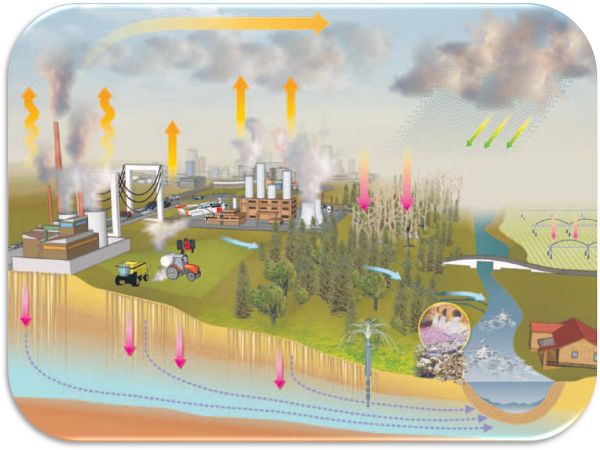
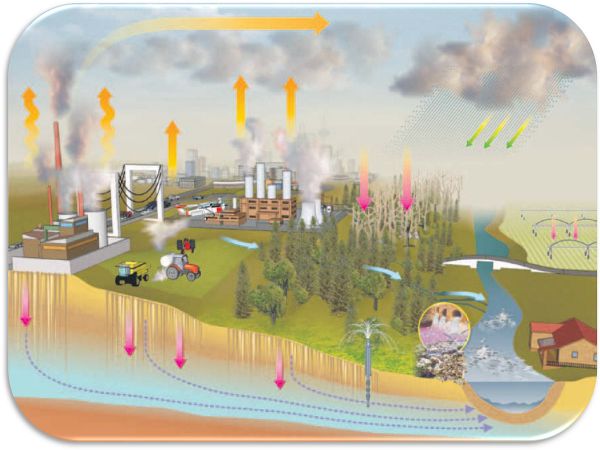
An economic activity must not lead to an increase in emissions of pollutants into the air, water or soil.
An effective hybrid system must reduce pollution deriving from the use of synthetic fertilizers and pesticides, applying the principles of regenerative agriculture which, furthermore, makes plants more productive, resilient and promotes rapid recovery from frequent trampling. In this way, optimal results can be achieved without the use of pesticides to prevent or treat biotic adversities, because it is known that with a balanced nutritional plan, the immune system of plants is strengthened to resist and overcome all stresses. Finally, natural grass protects the soil from erosion and purifies it through the biological activity associated with the roots. Furthermore, it acts as a natural filter allowing the aquifers to recharge with clean water while, through transpiration, it captures pollutants and fine dust, purifying the air and, moreover, lowering the temperature by reducing the hot island effect.
On completely synthetic pitches, however, in addition to the pollution caused by the dispersion of microplastics, banned by the recent REACH regulations, the sweat, spit and blood of the players must be removed through periodic sanitization using chemical products. The LND recommends this operation every two months but obviously it depends on the frequency of use of the field and the frequency of rainfall.
Extracting what is deemed relevant to sports fields, article 14 of EU regulation 2020/852 cites the following:
a) the prevention or, if this is not possible, the reduction of polluting emissions into the air, water or soil, other than greenhouse gases;
b) the improvement of the level of quality of air, water or soil in the areas where the economic activity takes place, simultaneously reducing to a minimum the negative effects on human health and the environment or the related risk;
c) the prevention or minimization of any negative effects on human health and the environment related to the production and use or disposal of chemical substances;
THE EXPERTS AGREE
- By having a resilient hybrid system that allows natural grass to recover quickly, you have more time to optimize the lessons of regenerative agriculture without the risk of losing a game. This new knowledge has been part of the ecological maintenance of the hybrid system since 2018 and favors the use of natural products with organic nitrogen, indirectly nourishing the plant through the biological exchange activity of the natural food chain, thus reducing the risk of dispersing nutrients into the air in the event of drought or into the aquifers in the event of heavy rainfall. Moreover, liquid fertilization, which is considered up to 6 times more effective from the point from a nutritional point of view, it is fractionated into small doses (spoon-feeding), also avoiding the leaching of nutrients into the aquifers
- Natural grass grown with the regenerative agriculture method becomes more resilient to biotic and abiotic stress so it is possible to dramatically reduce the use of pesticides to fight or prevent fungal diseases and infestations by herbivorous larvae. Furthermore, the presence of the special mesh in the support of the hybrid carpet drastically limits the growth of the roots of dicotyledonous weeds, reducing the need for the use of selective herbicides.
- Roots aggregate soil particles, protecting it from erosion and keeping the soil structure loose and open, with many pores into which water can penetrate. Thanks to the support network of the hybrid carpet which reduces trampling, the roots grow vigorously also supported by the virtuous association of microorganisms which act together as a natural filter which purifies the rainwater for recharging the aquifers with drinking water.
- Trees, shrubs and natural grass in urban areas are known to reduce levels of contaminants in the air. Johnson and Newton (1996) estimated that 2,000 m2 of uncut grass can remove up to 4,000 kg of particulate matter from leaves and stems. By analogy, a lawn cut for sports use can remove a similar quantity because it increases its density, also thanks to constant cultivation, purifying the air from pollutants present in the atmosphere: fine particles (PM10 and PM2.5) and gases (carbon monoxide, nitrogen dioxide, sulfur dioxide, ozone, etc.).
6. Biodiversity and ecosystems
The advantages of hybrid systems 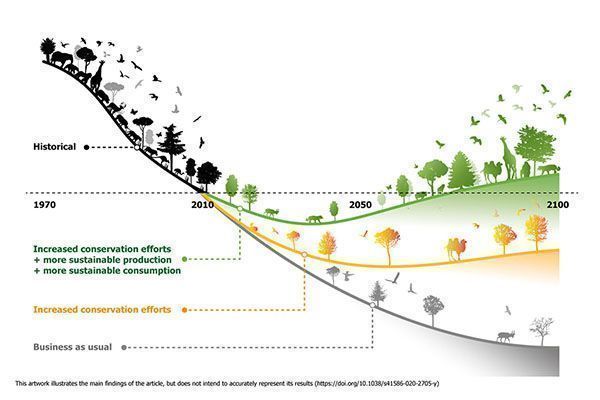
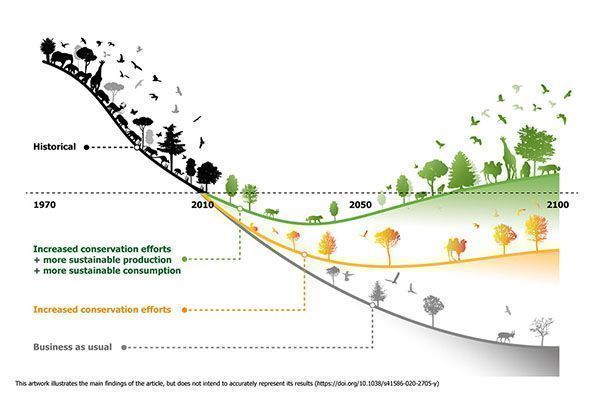
An economic activity must not be harmful to the good condition and resilience of ecosystems or to the conservation status of habitats and species, including those of interest to the Union.
The hybrid carpet includes a horizontal support in the form of a three-dimensional mesh, into which synthetic fibers are sewn, which favors gas exchange and the passage of roots, but limits the compaction of the lower substrate and the migration of sand into the support to prevent it from clogging. In this way, it allows the roots and associated microorganisms to proliferate and improve biodiversity regardless of the intensive use of the playing surface, creating a natural and resilient ecosystem.
On completely synthetic pitches it is easy to understand that the damage to biodiversity is irreversible and that the impact on the ecosystem is negative. If this is the only practicable solution, compensatory works must be provided (planting of trees and construction of lawns) with an environmental impact twice as large as the area of equipped public greenery that is removed for the construction of the synthetic field.
An innovative and effective hybrid system, with low maintenance costs, is the way to recover and improve soil biodiversity and at the same time have a highly usable field.
Extracting what is considered relevant to sports fields, article 15 of EU regulation 2020/852 cites the following:
b) the use and sustainable management of the territory, also through the adequate protection of soil biodiversity, neutrality in terms of soil degradation and the remediation of contaminated sites;
c) sustainable agricultural practices, including those that contribute to improving biodiversity or to halting or preventing degradation of soil and other ecosystems, deforestation and habitat loss;
(e) supporting one of the activities listed in points (a) to (d) of this paragraph, in accordance with Article 16.
THE EXPERTS AGREE
- The support of the hybrid carpet reduces compaction of the underlying substrate, provides high air circulation and an anchoring point for the roots, which penetrate the substrate and are protected from abiotic stress (heat, cold, drought). By reducing the negative effects of frequent trampling by play, the activity of the roots under the hybrid carpet is promoted, which undergo less mechanical and biotic stress.
- The growth of natural grass in the hybrid system is favored by intensive cultivation, because the grass must recover from any damage caused by the match. In this context, natural grass is grown using the regenerative agriculture method, which aims to further increase biological activity in the rhizosphere without the use of pesticides and protecting soil biodiversity.
- Furthermore, it is known that with the application of the regenerative agriculture method it is possible to restore lost biodiversity quickly and in a few weeks in the rhizosphere of a compacted field, starting from the attenuation of compaction. Subsequently, by triggering a virtuous circle with foliar fertilization, which is the quickest way to stimulate grass growth, it is possible to produce sugars to nourish the microorganisms, our allies associated with root activity, which by increasing their population are able to carry out the work that the plants need, improving biodiversity and the resilience of the soil ecosystem.