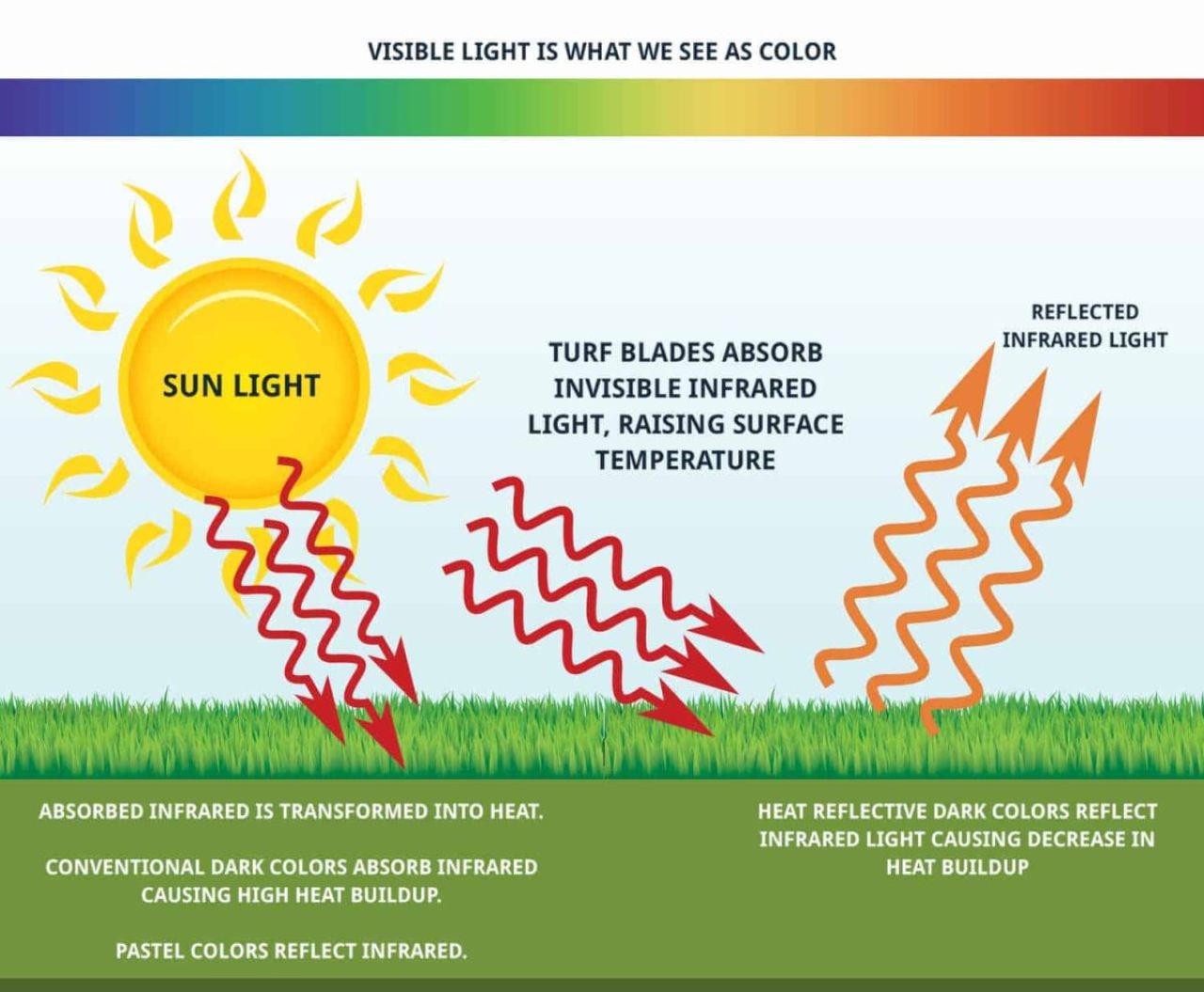
Fully synthetic surfaces are usually filled with sand and then with rubber granules to provide elasticity. The rubber infill is known to give off bad odors and contribute to increasing the temperature of the synthetic turf. Another disadvantage is that he tends to jump with every bounce of the ball.
To overcome these problems, in recent years there has been a market trend towards organic infill materials of plant origin, replacing traditional rubber. The latter better simulate the advantages of natural grass but in fact have many contraindications and high maintenance costs, as well as water consumption, so much so as to eliminate a fundamental aspect of synthetic turf which would be the low maintenance cost.
The POWERgrass hybrid turf, also in this case, presents itself as an improving alternative to entirely synthetic fields with organic vegetal infill, replacing dead nature with a living one. Once grown, natural grass occupies all the spaces and is also dominant in height compared to the synthetic turf. The playing surface takes on the appearance of a natural lawn while the synthetic surface is almost imperceptible to the players.
Ultimately, POWERgrass combines two completely different grass surfaces that cooperate in symbiosis with mutual benefits. Natural grass benefits from the reinforcing action of synthetic grass and, in turn, contributes to preserving the materials used and protecting the complete system:
While synthetic grass protects the crowns and the grass roots are well anchored to the support, it seems incredible but, natural grass protects synthetic grass and eliminates many defects of fully synthetic turf systems, especially those with 100% organic infill.
It is known that synthetic fibers exposed to the sun, in 8,000 hours, lose 50% of their resistance (half-life cycle of a product). This means that the synthetic surface, in approximately 3.5-4.5 years for northern Italy, undergoes irreversible aging simply by being exposed to the sun, without considering the deterioration attributable to intensive play.
In the POWERgrass hybrid turf the natural turf grows on top of the synthetic turf and absorbs a large part of the sun's UV rays, offering greater durability of the synthetic fibers which in turn strengthen the natural turf.
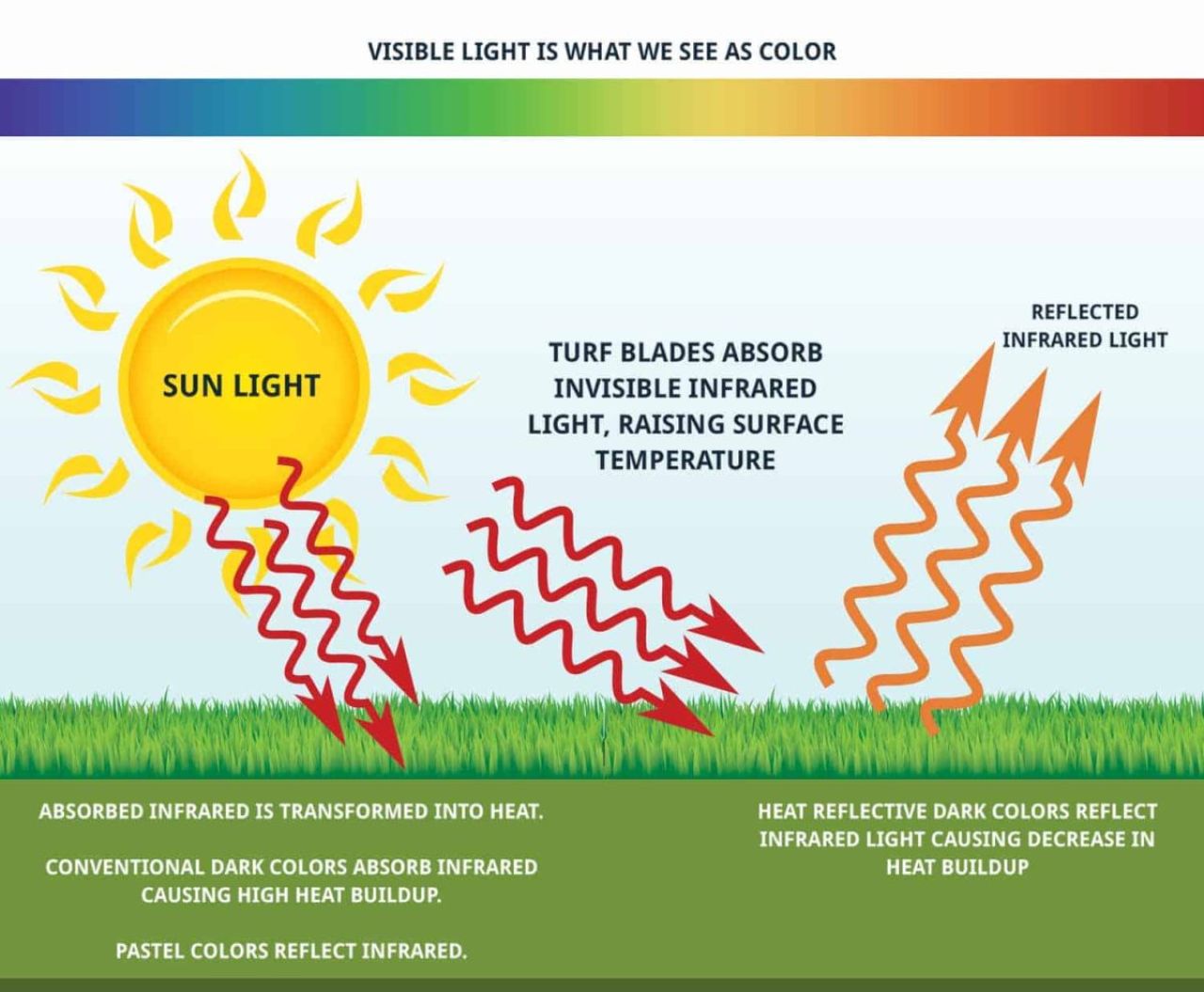
Fully synthetic surfaces are usually filled with sand and then with rubber granules to provide elasticity. The rubber infill is known to give off bad odors and contribute to increasing the temperature of the synthetic turf. Another disadvantage is that he tends to jump with every bounce of the ball.
To overcome these problems, in recent years there has been a market trend towards organic infill materials of plant origin, replacing traditional rubber. The latter better simulate the advantages of natural grass but in fact have many contraindications and high maintenance costs, as well as water consumption, so much so as to eliminate a fundamental aspect of synthetic turf which would be the low maintenance cost.
The POWERgrass hybrid turf, also in this case, presents itself as an improving alternative to entirely synthetic fields with organic vegetal infill, replacing dead nature with a living one. Once grown, natural grass occupies all the spaces and is also dominant in height compared to the synthetic turf. The playing surface takes on the appearance of a natural lawn while the synthetic surface is almost imperceptible to the players.
Ultimately, POWERgrass combines two completely different grass surfaces that cooperate in symbiosis with mutual benefits. Natural grass benefits from the reinforcing action of synthetic grass and, in turn, contributes to preserving the materials used and protecting the complete system:
While synthetic grass protects the crowns and the grass roots are well anchored to the support, it seems incredible but, natural grass protects synthetic grass and eliminates many defects of fully synthetic turf systems, especially those with 100% organic infill.
It is known that synthetic fibers exposed to the sun, in 8,000 hours, lose 50% of their resistance (half-life cycle of a product). This means that the synthetic surface, in approximately 3.5-4.5 years for northern Italy, undergoes irreversible aging simply by being exposed to the sun, without considering the deterioration attributable to intensive play.
In the POWERgrass hybrid turf the natural turf grows on top of the synthetic turf and absorbs a large part of the sun's UV rays, offering greater durability of the synthetic fibers which in turn strengthen the natural turf.
Fully synthetic surfaces are usually filled with sand and then with rubber granules to provide elasticity. The rubber infill is known to give off bad odors and contribute to increasing the temperature of the synthetic turf. Another disadvantage is that he tends to jump with every bounce of the ball.
To overcome these problems, in recent years there has been a market trend towards organic infill materials of plant origin, replacing traditional rubber. The latter better simulate the advantages of natural grass but in fact have many contraindications and high maintenance costs, as well as water consumption, so much so as to eliminate a fundamental aspect of synthetic turf which would be the low maintenance cost.
The POWERgrass hybrid turf, also in this case, presents itself as an improving alternative to entirely synthetic fields with organic vegetal infill, replacing dead nature with a living one. Once grown, natural grass occupies all the spaces and is also dominant in height compared to the synthetic turf. The playing surface takes on the appearance of a natural lawn while the synthetic surface is almost imperceptible to the players.
Ultimately, POWERgrass combines two completely different grass surfaces that cooperate in symbiosis with mutual benefits. Natural grass benefits from the reinforcing action of synthetic grass and, in turn, contributes to preserving the materials used and protecting the complete system:
While synthetic grass protects the crowns and the grass roots are well anchored to the support, it seems incredible but, natural grass protects synthetic grass and eliminates many defects of fully synthetic turf systems, especially those with 100% organic infill.
It is known that synthetic fibers exposed to the sun, in 8,000 hours, lose 50% of their resistance (half-life cycle of a product). This means that the synthetic surface, in approximately 3.5-4.5 years for northern Italy, undergoes irreversible aging simply by being exposed to the sun, without considering the deterioration attributable to intensive play.
In the POWERgrass hybrid turf the natural turf grows on top of the synthetic turf and absorbs a large part of the sun's UV rays, offering greater durability of the synthetic fibers which in turn strengthen the natural turf.