Very often we find ourselves having to sow or transplant sod during the summer break when the temperature is too high for the growth of natural grass and the sand substrate does not retain sufficient humidity.
Published 28/02/2024Focus on
by Nico Sarris
Very often we find ourselves having to sow or transplant sod during the summer break when the temperature is too high for the growth of natural grass and the sand substrate does not retain sufficient humidity.
At the same time the USGA standard says that to have a large "tank" of water you need to use a layer of sand equal to 30 cm but in most cases sand is very expensive therefore we looked for alternative solutions to increase the "field water capacity" or the hygrometric index in the POWERgrass hybrid system with the integration of coconut which is an excellent organic soil improver coming from from renewable resources.
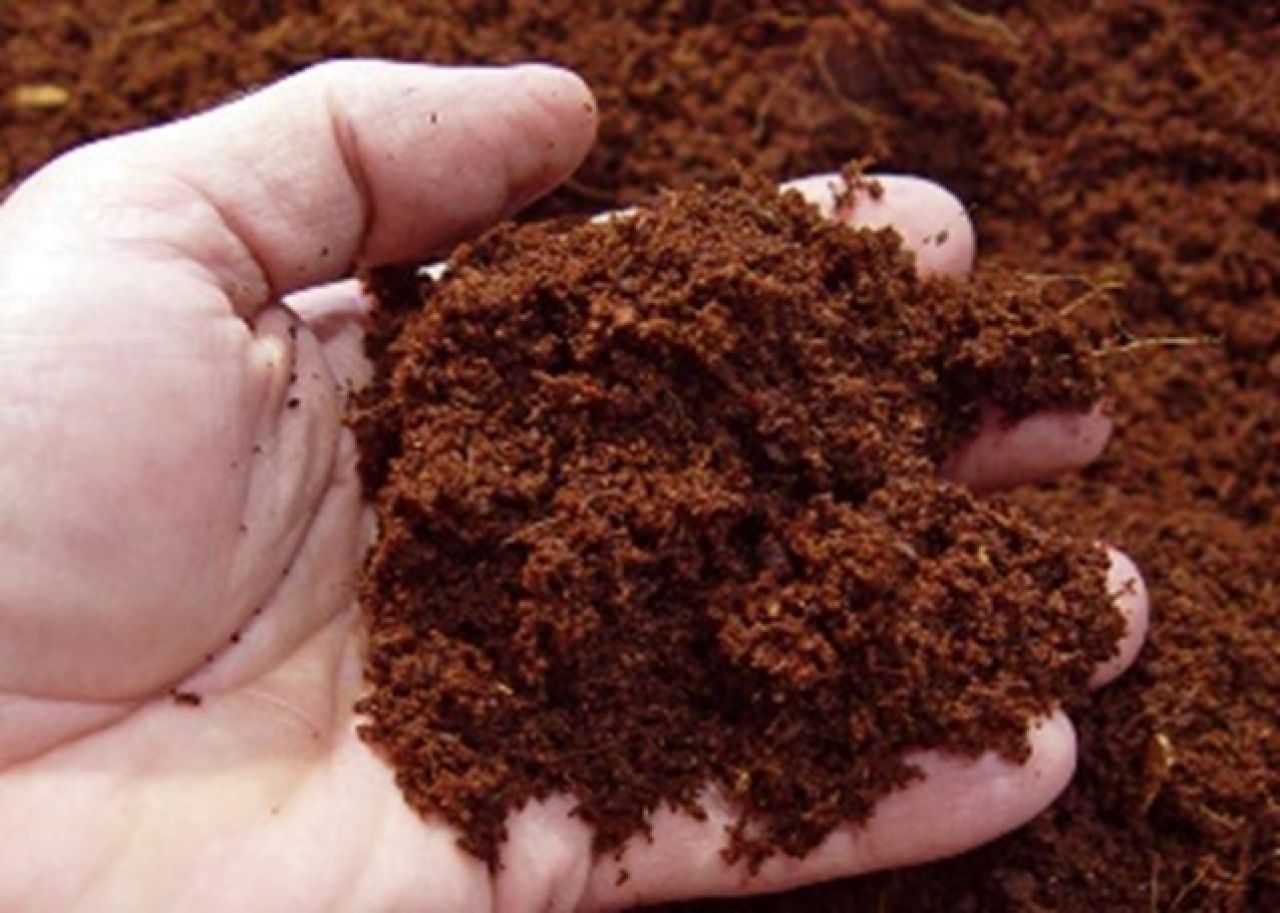
Coconut peat is now replacing traditional sphagnum peat in all crops as well as in vegetables, in fact it offers numerous advantages compared to traditional peat and especially in lawns. Beyond the biophysical properties of coconut, a progressive closure of sphagnum peat bogs is expected in the coming years, as the environmental impact is devastating. Just think that a one meter layer of peat takes about 1000 years to form, it is understandable that its trade cannot last forever.
With reference to turf, the USGA regulation provides that the sandy substrate must contain from 3 to 6% of organic substance calculated by weight. Coconut has a neutral pH so it is possible to use it without particular limitations in compliance with the USGA regulation. In the case of rain this absorbs a quantity of water equal to 8 times its weight, a much lower value than traditional sphagnum peat (about 20 times), while in the event of drought it retains its internal humidity better avoiding the drying out of the substrate and the formation of hydrophobic phenomena.
These characteristics of the coconut together with the presence of the non-woven geotextile in the artificial grass support of the PowerGrass system are useful for maintaining the humidity necessary for the growth of the lawn and moderating the excessive phenomena of water saturation during heavy rainfall or drying during the summer heat, thus saving the most precious resource which is water.
Coconut also offers organic substance nourishment for microorganisms during the first period of lawn establishment, it lasts longer than traditional peat and promotes better water drainage.
Through its robust fibers, coconut aggregates sand and/or cork, offering three-dimensional stability to the infill and growth material.
The stability provided by the coconut and the artificial grass with the fibers well welded to the horizontal support, together with the shock-absorbing effect of the cork, allow a greater number of hours of use of the field, up to 6 hours a dayand during the growth period equal to 1200 hours in a competitive season for northern Italy and up to 1400 hours for the diving center.
The natural turf is renewable at any time and it is even possible to play in good conditions even in the absence of natural grass, a unique feature of the PowerGrass hybrid system which has set a new market standard.
Maintenance is also reduced as potholes that require costly post-match interventions do not form; Even if the natural lawn were to give way, the synthetic fibers and the infill with sand, cork and coconut are stable and allow competitive activity in safety.
Tags
Coconut - organic soil improver
28/02/2024
Italgreen Landscape
Very often we find ourselves having to sow or transplant sod during the summer break when the temperature is too high for the growth of natural grass and the sand substrate does not retain sufficient humidity.
At the same time the USGA standard says that to have a large "tank" of water you need to use a layer of sand equal to 30 cm but in most cases sand is very expensive therefore we looked for alternative solutions to increase the "field water capacity" or the hygrometric index in the POWERgrass hybrid system with the integration of coconut which is an excellent organic soil improver coming from from renewable resources.
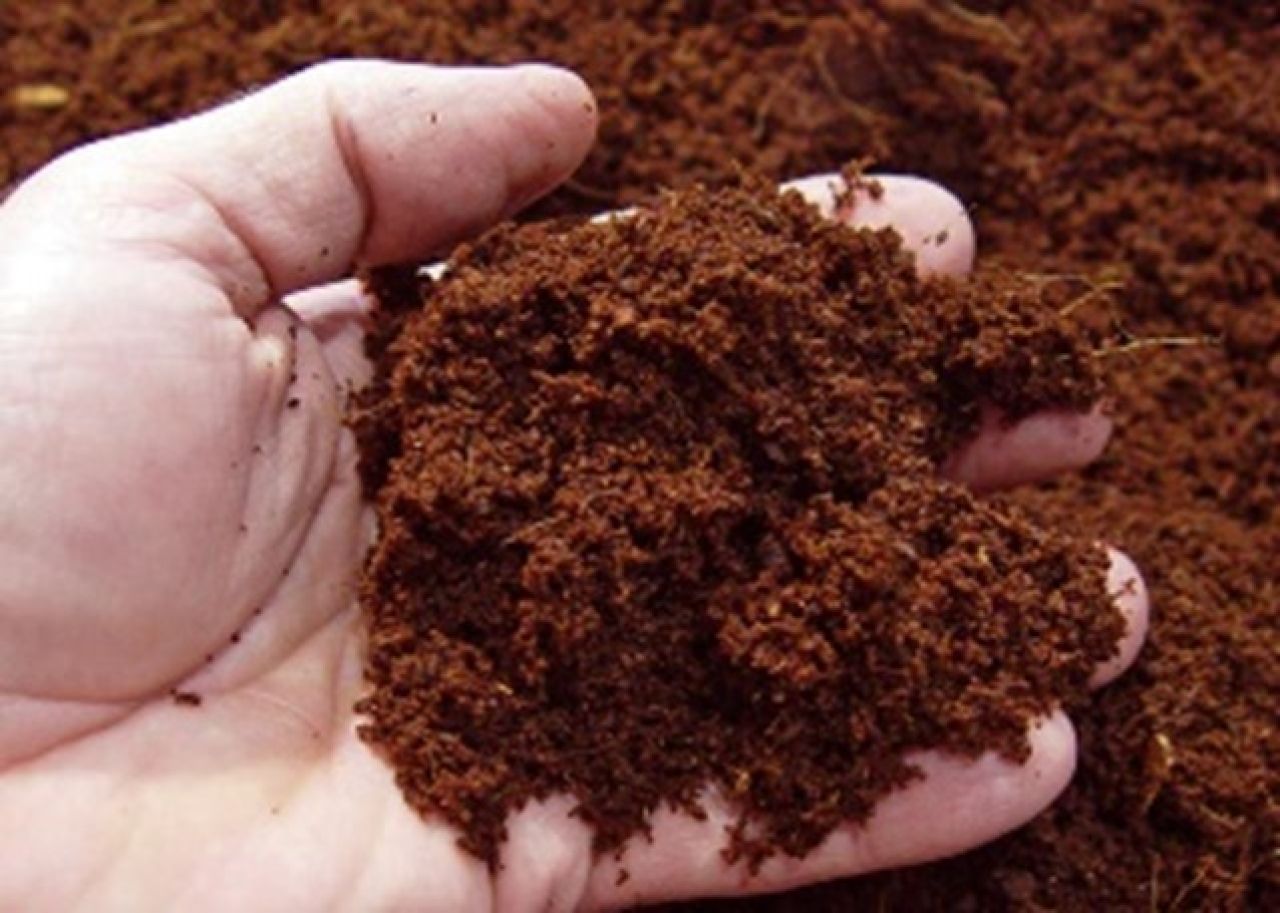
Coconut peat is now replacing traditional sphagnum peat in all crops as well as in vegetables, in fact it offers numerous advantages compared to traditional peat and especially in lawns. Beyond the biophysical properties of coconut, a progressive closure of sphagnum peat bogs is expected in the coming years, as the environmental impact is devastating. Just think that a one meter layer of peat takes about 1000 years to form, it is understandable that its trade cannot last forever.
With reference to turf, the USGA regulation provides that the sandy substrate must contain from 3 to 6% of organic substance calculated by weight. Coconut has a neutral pH so it is possible to use it without particular limitations in compliance with the USGA regulation. In the case of rain this absorbs a quantity of water equal to 8 times its weight, a much lower value than traditional sphagnum peat (about 20 times), while in the event of drought it retains its internal humidity better avoiding the drying out of the substrate and the formation of hydrophobic phenomena.
These characteristics of the coconut together with the presence of the non-woven geotextile in the artificial grass support of the PowerGrass system are useful for maintaining the humidity necessary for the growth of the lawn and moderating the excessive phenomena of water saturation during heavy rainfall or drying during the summer heat, thus saving the most precious resource which is water.
Coconut also offers organic substance nourishment for microorganisms during the first period of lawn establishment, it lasts longer than traditional peat and promotes better water drainage.
Through its robust fibers, coconut aggregates sand and/or cork, offering three-dimensional stability to the infill and growth material.
The stability provided by the coconut and the artificial grass with the fibers well welded to the horizontal support, together with the shock-absorbing effect of the cork, allow a greater number of hours of use of the field, up to 6 hours a dayand during the growth period equal to 1200 hours in a competitive season for northern Italy and up to 1400 hours for the diving center.
The natural turf is renewable at any time and it is even possible to play in good conditions even in the absence of natural grass, a unique feature of the PowerGrass hybrid system which has set a new market standard.
Maintenance is also reduced as potholes that require costly post-match interventions do not form; Even if the natural lawn were to give way, the synthetic fibers and the infill with sand, cork and coconut are stable and allow competitive activity in safety.
Very often we find ourselves having to sow or transplant sod during the summer break when the temperature is too high for the growth of natural grass and the sand substrate does not retain sufficient humidity.
At the same time the USGA standard says that to have a large "tank" of water you need to use a layer of sand equal to 30 cm but in most cases sand is very expensive therefore we looked for alternative solutions to increase the "field water capacity" or the hygrometric index in the POWERgrass hybrid system with the integration of coconut which is an excellent organic soil improver coming from from renewable resources.
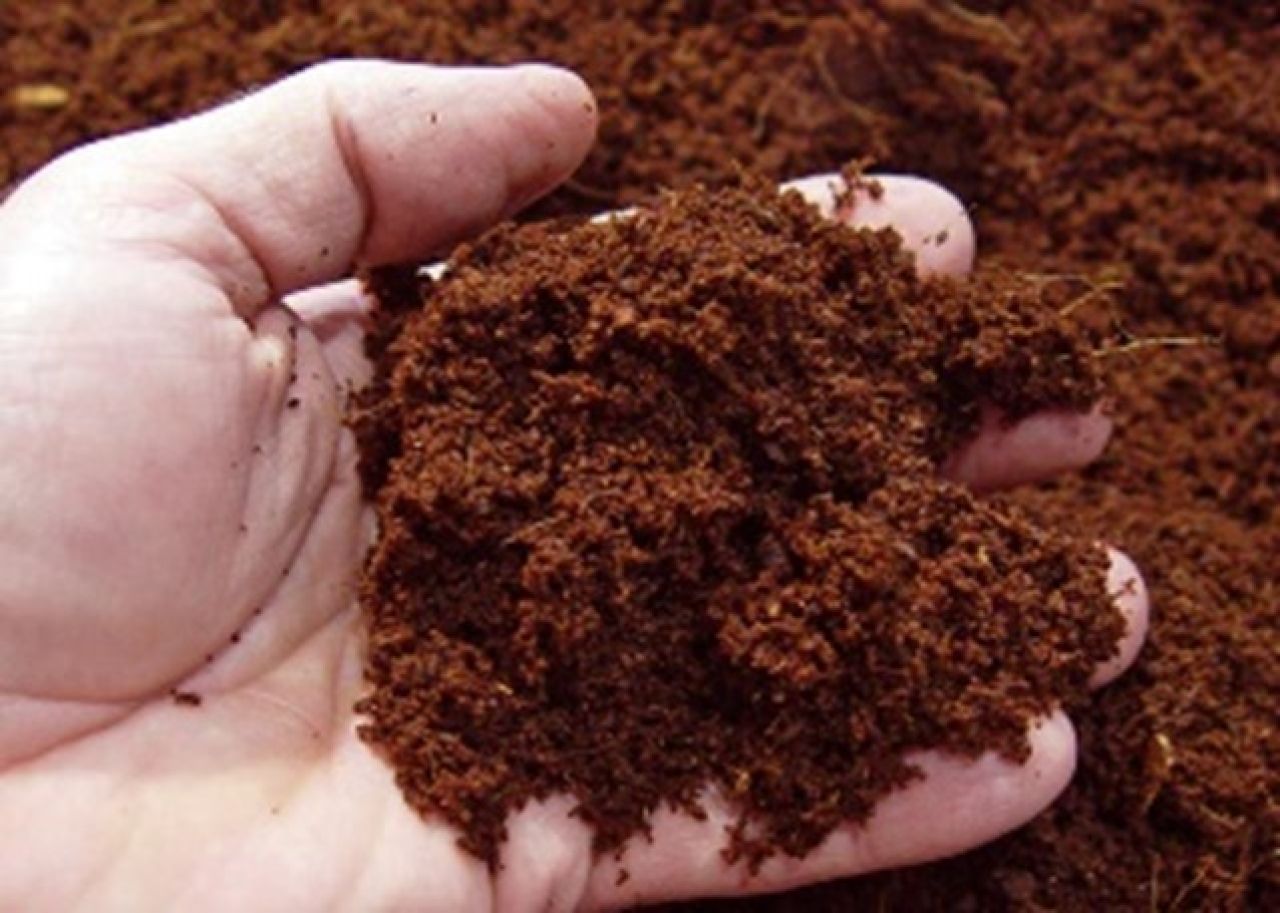
Coconut peat is now replacing traditional sphagnum peat in all crops as well as in vegetables, in fact it offers numerous advantages compared to traditional peat and especially in lawns. Beyond the biophysical properties of coconut, a progressive closure of sphagnum peat bogs is expected in the coming years, as the environmental impact is devastating. Just think that a one meter layer of peat takes about 1000 years to form, it is understandable that its trade cannot last forever.
With reference to turf, the USGA regulation provides that the sandy substrate must contain from 3 to 6% of organic substance calculated by weight. Coconut has a neutral pH so it is possible to use it without particular limitations in compliance with the USGA regulation. In the case of rain this absorbs a quantity of water equal to 8 times its weight, a much lower value than traditional sphagnum peat (about 20 times), while in the event of drought it retains its internal humidity better avoiding the drying out of the substrate and the formation of hydrophobic phenomena.
These characteristics of the coconut together with the presence of the non-woven geotextile in the artificial grass support of the PowerGrass system are useful for maintaining the humidity necessary for the growth of the lawn and moderating the excessive phenomena of water saturation during heavy rainfall or drying during the summer heat, thus saving the most precious resource which is water.
Coconut also offers organic substance nourishment for microorganisms during the first period of lawn establishment, it lasts longer than traditional peat and promotes better water drainage.
Through its robust fibers, coconut aggregates sand and/or cork, offering three-dimensional stability to the infill and growth material.
The stability provided by the coconut and the artificial grass with the fibers well welded to the horizontal support, together with the shock-absorbing effect of the cork, allow a greater number of hours of use of the field, up to 6 hours a dayand during the growth period equal to 1200 hours in a competitive season for northern Italy and up to 1400 hours for the diving center.
The natural turf is renewable at any time and it is even possible to play in good conditions even in the absence of natural grass, a unique feature of the PowerGrass hybrid system which has set a new market standard.
Maintenance is also reduced as potholes that require costly post-match interventions do not form; Even if the natural lawn were to give way, the synthetic fibers and the infill with sand, cork and coconut are stable and allow competitive activity in safety.