FAQ 01 Problems in the fields
The POWERgrass hybrid system offers a solution to combine performance and sustainability in natural and synthetic grass playgrounds.
The innovation consists in the integration of natural grass with artificial grass, resulting in a more resistant and versatile mixed turf, without compromising the environmental and playing characteristics of the natural lawn. This system therefore combines the advantages of the two types of grass, representing an effective response to the different needs of the market.
To better clarify the topic, we asked our specialist, Dr. Niko Sarris, the most common questions. He is the creator of the system and holds 5 patents. Working on the front lines with the POWERgrass team, Dr. Sarris is dedicated to spreading concepts and information to understand this innovative, high-performance and sustainable technology.
Dr. Sarris statesthat the hybrid system favors a natural and resistant ecosystem to reverse the decline in biodiversity caused by completely synthetic fields which, as is known, have a negative impact on the ecosystem. However, if the construction of a synthetic field turns out to be the only possible solution, environmental compensation must be provided to restore the natural surface that has been removed from public greenery. This could involve planting trees or creating lawns, which however require greater costs and land consumption.
In all other cases, where the growth of natural grass is possible, an innovative and efficient method is a hybrid system with minimal maintenance costs, which can have a positive ecological impact, to reduce soil consumption and, at the same time, provide an extremely functional pitch for matches and training.
But let's see in detail what the problems are and how the POWERgrass hybrid system solves them.
What problems can playgrounds made of natural and synthetic grass present?
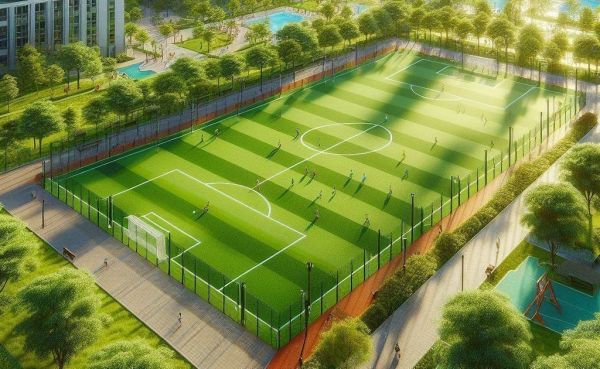
In the sports panorama, the choice of the type of playing field is fundamental and there is no shortage of contrasting positions between supporters of natural grass fields and synthetic grass ones. Both solutions have positive and negative aspects: natural grass fields, although they offer a more traditional and pleasant playing experience, can be subject to erosion problems and require constant and expensive maintenance. On the other hand, synthetic grass fields are more resistant and require less maintenance, but their surface, given the lack of humidity, can be harder and therefore potentially dangerous for players.
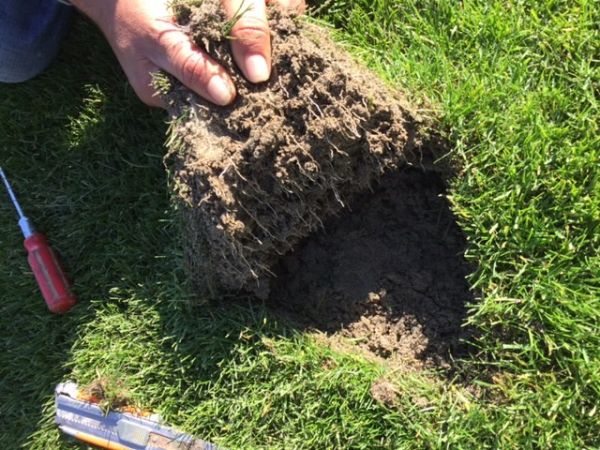
Natural grass fields require expensive maintenance interventions such as post-match sod restoration, irrigation, fertilization, reseeding and pesticide and herbicide treatments. Furthermore, they can be easily damaged by adverse weather conditions such as rain or frost, especially when associated with intensive use which can cause wear and compaction of the soil and mud, resulting in grassless areas and uneven terrain. This can increase the risk of injuries for athletes and above all make the field unusable for a good part of the season, without prejudice to total re-sodding operations which few can afford, without considering that depending on the climate this is not always possible.
Synthetic grass fields, on the other hand, have a poor heat absorption capacity, which can result in very high surface temperatures during the summer months. This can cause comfort and health issues for athletes. These fields may also be harder and more slippery than natural grass, increasing the risk of injury from contact or falls.
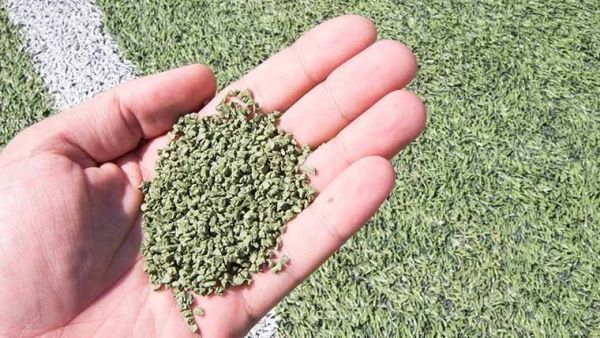
Finally, the production and disposal of synthetic grass can have a negative environmental impact which in recent years has led to an exorbitant increase in the costs of disposing of the rubber present in the system. The environmental impact can also be negative during the maintenance and re-sodding of natural grass fields, if we also consider the use of pesticides, herbicides and synthetic fertilizers.
In conclusion, both synthetic and natural pitches have advantages and disadvantages. The choice between these two should take into consideration various factors, including the available budget, intended use, climatic conditions, availability of resources for maintenance and the effect on the environment. In recent years, environmental issues have gained increasing importance. As a result, the latest regulations require a sustainability study to be conducted. This is essential since the affected area is large and could hide unexpected costs and surprises.

Insights





FAQ 12
Environmental regulations and the field