Maintaining a sports field requires attention, consistency and skills. To ensure its longevity and safe use, it is essential to integrate a good maintenance plan.
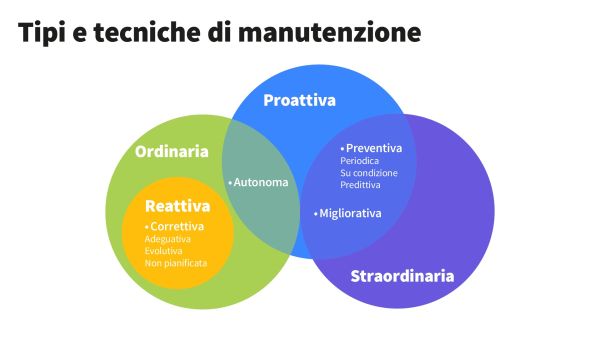
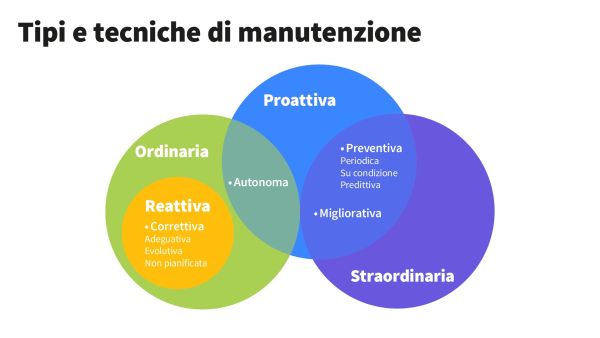
The UNI 10147 standard recognizes the following types of maintenance; a) Autonomous maintenance, b) Preventive maintenance which in turn is divided into periodic, on condition, and predictive, c) Failure maintenance (corrective) and d) Improving maintenance. In turn, these types of maintenance can be divided into different types and maintenance techniques. The different types of maintenance can be further classified into proactive and reactive, depending on whether they are carried out before or after the onset of a problem.
The UNI 11063:2017 standard classifies interventions into two main types of maintenance, depending on the purpose for which they are carried out:
- ordinary maintenance: includes corrective and autonomous maintenance actions and simpler preventive actions, limited to routine interventions and inspections.
- extraordinary maintenance: includes the most relevant improving and preventive maintenance policies, such as all interventions that have the objective of increasing the value of the systems or extending their life cycle.
The graph above intends to show how these definitions fit into the traditional distinction between ordinary and extraordinary maintenance, highlighting that all maintenance activities are interconnected and aim at the same objectives:
- Preserve the performance characteristics and security of the game.
- Increase the usability of the playing field regardless of weather conditions.
- Reduce the running costs of the sports center for the entire life cycle while respecting the environment.
Difference between ordinary maintenance and extraordinary maintenance
In light of the above, it should not be surprising that the difference between these two types of maintenance (ordinary and extraordinary) is often a matter of dispute. The two areas are often very similar to each other and it is not always easy to distinguish between the two types of maintenance. The essential difference between the two, however, is the fact that extraordinary maintenance, unlike ordinary maintenance, introduces an important improvement element (technological, structural or size, for example). Of course, even a type of ordinary maintenance can introduce improvements, but to a lesser extent, without altering the final value.
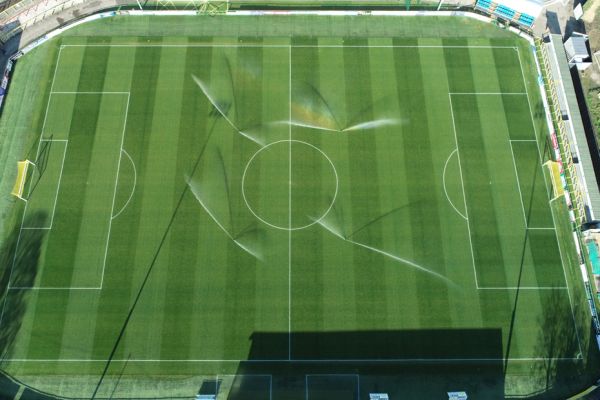
For example, routine maintenance of a playground refers to the periodic and constant attention provided to the field. This includes watering, seeding, fertilizing, soil aeration, and grass mowing for natural grass fields. These steps help keep the grass alive, healthy and robust. For artificial turf fields, routine maintenance involves cleaning, adding or aerating infill, and brushing the grass to keep the surface level and raise the artificial fibers. Cleaning is necessary to ensure an environment free of debris and dust, which is why it is also necessary to water the pitch before each training session, which also helps to reduce the temperature on hot days.
On the other hand, extraordinary maintenance concerns deeper and more complex interventions that take place periodically, such as the repair of the natural surface through the partial or total renewal of the lawn or in the case of persistent fields, the replacement of the partial system. These actions are necessary to ensure optimal playing conditions in the long term.
What type of maintenance do synthetic fields require? The comparison with the natural hybrid!
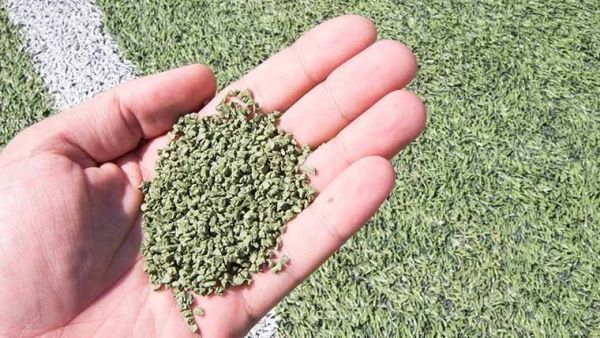
Maintenance of a synthetic field with sand and rubber infill requires weekly brushing, an activity that can take 3 to 4 hours. In contrast, mowing a natural lawn with a professional triple auger takes only an hour, and the same task can be entrusted to a robot. Furthermore, operations such as decompaction, cleaning and regeneration of the infill on a synthetic pitch are much more complex than aeration and decompaction of a natural lawn. In hybrid systems, these activities are easier and can be carried out with traditional machinery that is easy to access for sports clubs. Instead, synthetic pitches require specific and expensive machinery, operated by specialized personnel. If neglected, these operations can result in an uneven and compact surface, with drainage problems that increase the risk of injuries such as sprained ankles, pulled muscles, abrasions and back pain.
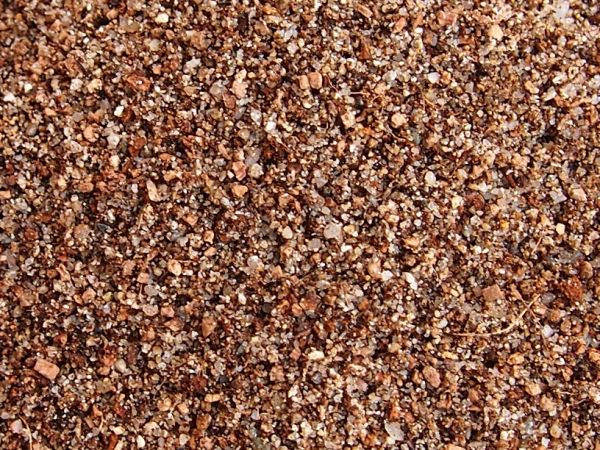
The synthetic pitch with sand and vegetable organic infill requires less brushing, but it is essential to replenish the worn or dispersed infill several times a year. Without such maintenance, the pitch risks appearing "drained", with insufficient infill, and the fibers are bent on the surface, exposed to premature wear and tear from intensive play and the sun's UV-B rays. It is, therefore, good practice to keep the free fiber between 10 and 15 mm, as suggested by the LND. If the fiber protrudes beyond 20 mm, it is necessary to intervene to replenish it. A fiber that is too long tends to bend, increasing the risk of the player's foot getting stuck during changes of direction, with possible knee sprains. Additionally, an "unloaded" field becomes harder, causing back pain. To solve the "hard pitch" problem, we recommend installing an underlying mat to ensure a good level of performance. However, it is important to take into account the extra costs associated with installation and removal at the end of the field's life cycle. Instead, to restore the natural grass surface it is sufficient to aerate the soil, sow and fertilize the lawn.
The easy and reduced maintenance of the POWERgrass hybrid system
Ordinary maintenance operations for the POWERgrass hybrid system include grass cutting, which can be weekly or daily, using a robot, as well as mechanical raking and superficial piercing of the first 4 cm once a month (approximately 9 times a year, based on the expected hours of play). Accurate irrigation management is essential in the warmer months, made easier by a remote control unit that uses probes to monitor soil and air conditions, helping to prevent stress due to climate change. Furthermore, the use of organic fertilizers and biostimulants integrated into organic nutrition, following the principles of regenerative agriculture, contributes to preventing air and groundwater pollution.
POWERgrass technicians have an in-depth knowledge of the physiology of grass, resistant to both intensive play and climate changes, thanks to their experience in managing complex situations with reduced maintenance costs. Although maintenance may seem complex, following the guidelines and proposed solutions is easy even for personnel with limited technical skills.
In summary, the POWERgrass system prevents the formation of holes during play, hinders the growth of weeds, interrupts the life cycle of insects and makes the lawn more resistant to fungal diseases, thanks to the presence of the POWERgrass hybrid carpet.
Insights

FAQ 12
Environmental regulations and the field

Write to Us
For any kind of request write to us.