Introduction to Greenwashing and its manifestation in sports facilities
In an era in which environmental sustainability is becoming an increasingly important issue, a phenomenon known as "Green Washing" is often highlighted. This term, born from the combination of the words "green" (green, referring to ecological initiatives) and "whitewashing" (translated as cover-up or misdirection), refers to a very widespread marketing practice of manipulating information in order to appear more respectful of the environment than one actually is.
The goal of green washing is to convince the public that a company or organization is eco-friendly and committed to environmental sustainability, even when these assertions do not correspond to reality. This is done through various techniques, including the use of environmentally related colors, images and symbols, ambiguous or misleading terms, and even false claims of environmental awards and recognitions.
Greenwashing in sports facilities
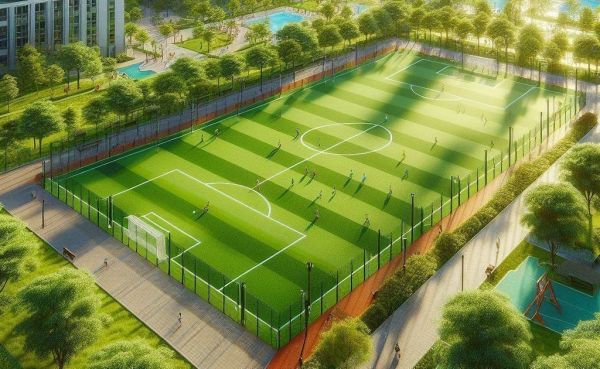
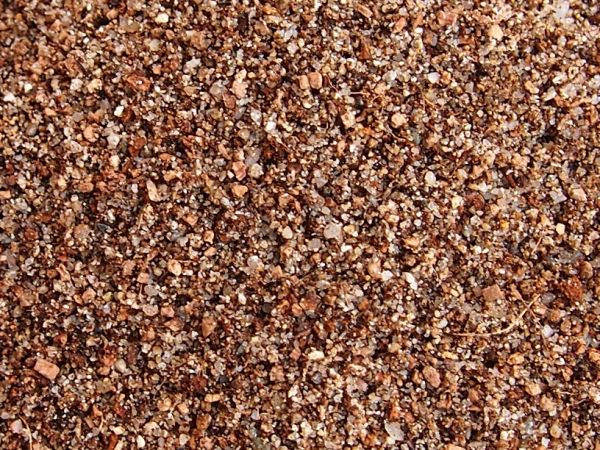
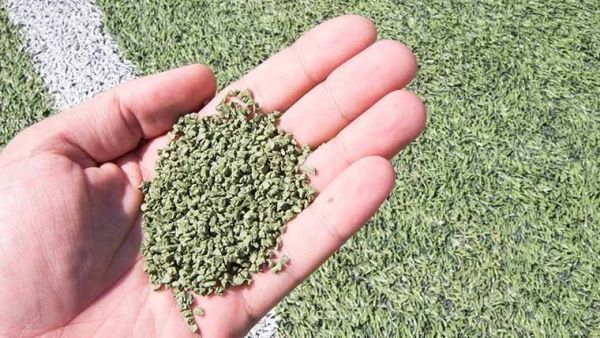
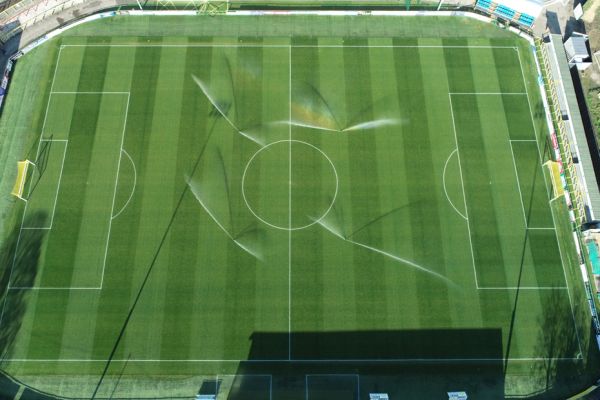
In the sports industry, green washing can manifest itself in various ways. A very common example is the statement that "a sports facility is ecological because it uses a synthetic lawn instead of a natural one because it saves water for irrigation, and the use of pesticides and synthetic fertilizers". However, this statement may hide the reality that synthetic fields also require irrigation, sanitizers, and infill replenishment materials. Furthermore, the production and disposal of synthetic lawns can have a significantly higher impact on the environment than that of a natural lawn.
Synthetic lawns are mainly produced using plastic materials, whose production processes emit enormous quantities of carbon dioxide and require a lot of energy. Furthermore, once synthetic turf has reached the end of its useful life, it becomes difficult to dispose of and non-biodegradable waste, contributing to plastic waste pollution.
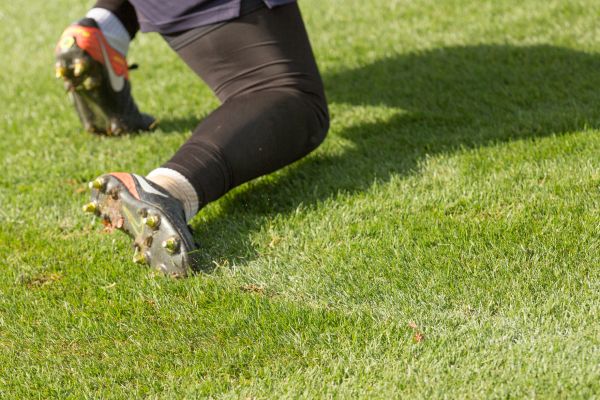
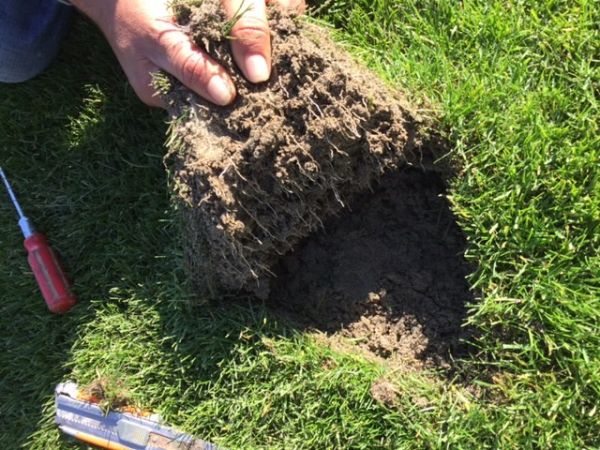
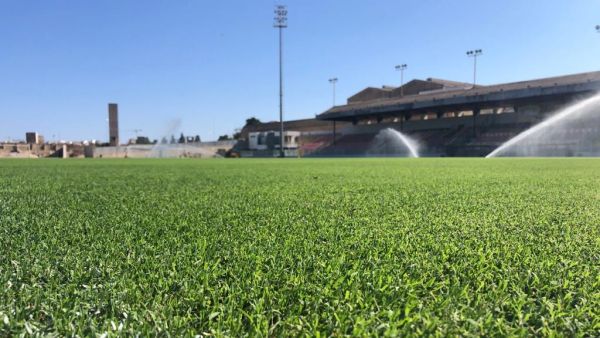
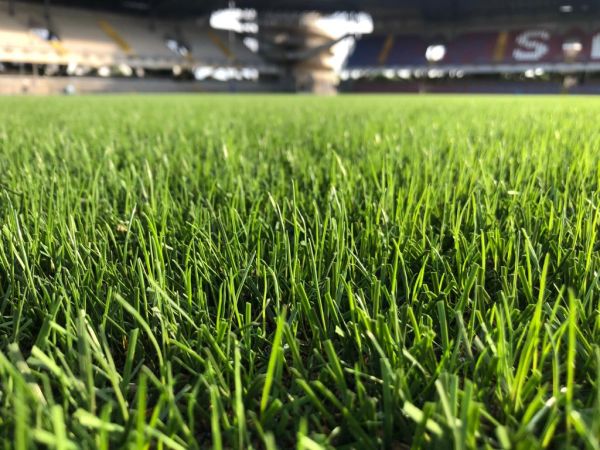
On the other hand, while natural lawns require more irrigation and maintenance, on the other hand, they absorb carbon dioxide from the air and refresh the air, helping to reduce heat islands and the greenhouse effect. Furthermore, unlike synthetic lawn, natural lawn is completely biodegradable at the end of its useful life.
False friends of the environment
Another example of green washing in sports facilities is the claim that facilities are built with "green" or "sustainable" materials. However, without a clear definition of what these terms mean, it can be difficult for the public to understand whether a facility is truly eco-friendly. In some cases, sustainability claims may only refer to a small part of the project, while the rest may not be sustainable at all.
From greenwashing to real action
The sports industry has great potential to drive change towards environmental sustainability, but it is important that the steps are taken in an authentic and transparent way, without falling into the trap of green washing. It is important to have clear regulations and standards to determine what constitutes a truly green initiative, and organizations should be required to follow these guidelines.
In conclusion, while green washing may seem like an effective marketing tool, it can also undermine public trust and prevent real progress towards environmental sustainability. With greater awareness and better regulation, we can hope that the sports industry can become a true champion of the environmental cause.

Insights



FAQ 12
Environmental regulations and the field
Write to Us
For any kind of request write to us.