The use of artificial turf pitches has become increasingly common in many sports, including football, rugby and field hockey. However, there are concerns regarding the safety and health of players using these courts.
Player safety
In recent years, players have always complained about the safety of synthetic pitches; the most famous ones categorically refuse to play on synthetic pitches but the industry tends to downplay it by attributing the problem to the habits of the players.
One of the main concerns is injuries. Some studies suggest that artificial turf may increase the risk of anterior cruciate ligament injuries and other knee injuries.
Additionally, the playing surface of an artificial turf pitch can be harder than natural grass, which can lead to an increase in bruises and skin abrasions.
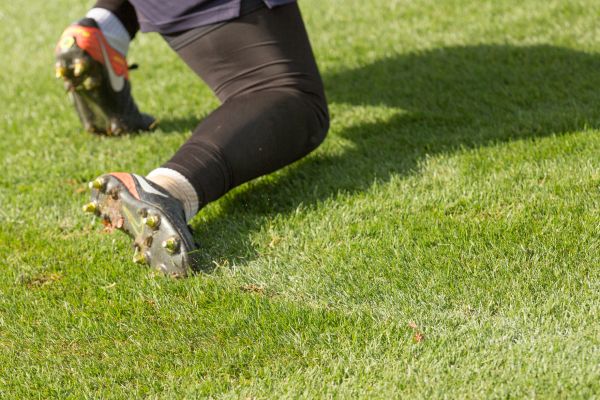
Another aspect concerns the grip of the studs on the surface because, in some cases it is lower than a natural pitch so players lose stability and feel burning in the muscles that work harder to compensate. In other cases, when the fibers are lying and dry on the surface on sunny daysthe grip of the studs on the surface may be excessive and when it is hot it is not possible to mitigate this even with irrigation.
Demonstrating the causes of the playing field and the effect it causes on player safety is very complex but without a doubt we cannot say the same thing about early muscle fatigue. On sunny days when the air temperature exceeds 26°C the temperature measured on the surface is much higher and as summer approaches it exceeds 60°C. The radiation into the air of the heat accumulated in the synthetic grass during the day contributes significantly and unequivocally to the heat island day and night.
It is important to note that fatigue and tiredness are two different conditions. Exercise-induced fatigue is an involuntary decrease in the ability of muscles to produce force or a powerful contraction, while tiredness is more lifestyle-based and can be influenced by factors such as sleep disruption, poor nutrition, dehydration, stress and general fitness level.
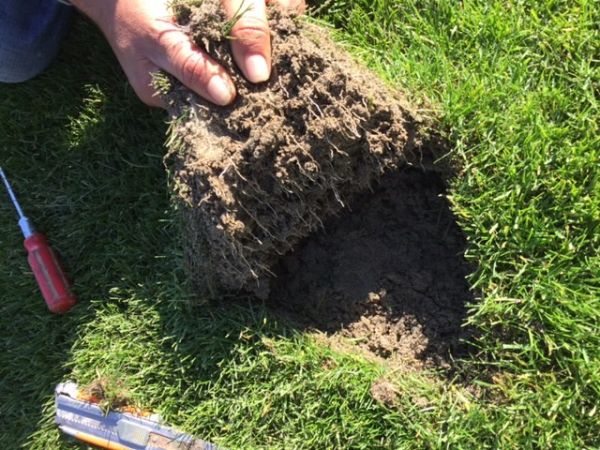
Safety when playing on natural grass pitches is frequently linked to the condition of the grass, influenced by correct maintenance and sudden climate changes that can damage the lawn. Instead, on fields with synthetic grass, safety is largely influenced by the properties of the grass and its ability to influence heating of the air.
However, even in this case, maintenance plays a crucial, albeit less obvious, role. For example, if the synthetic field is not regularly brushed, the bounce of the rubber can make the surface uneven.
It is important to underline that pitches tend to show signs of aging after a period of 5-7 years, with fibers settling on the surface, reducing the ability of players' studs to penetrate. In some situations, if the studs manage to penetrate between the lying fibers, they could exert an excessive grip during the player's changes of direction.
As time passes, the pitch becomes stiffer, negatively affecting the player's performance. This is because the fibers lose their resistance to UV rays and become less elastic, making it impossible to renew the original characteristics of the pitch.
However, what seems to represent a major risk for players is the change of pitch between fields with natural grass and artificial grass. Many modern sports centers, in fact, have training fields with synthetic grass and stadiums with natural grass. Changing the type of pitch can significantly affect the safety of players who practice on one pitch and play matches on another. Villa Stuart, a sports trauma centre, confirms that frequently changing between natural and synthetic grass pitches can be more dangerous for players than choosing to always play on the same type of pitch. Although adequate maintenance can make the two types of pitch similar in performance characteristics, if this is not adequate the differences can be very significant.
Player health
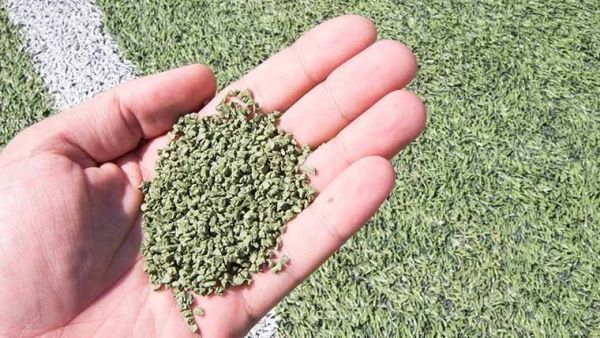
In addition to injury concerns, there are also concerns about the players' long-term health. For example, some artificial turf fields use recycled rubber as a filler, which can contain potentially harmful chemicals. While research has not yet established a definitive link between exposure to these chemicals and specific health problems, the issue remains an area of concern.

Insights



FAQ 12
Environmental regulations and the field

Write to Us
For any kind of request write to us.