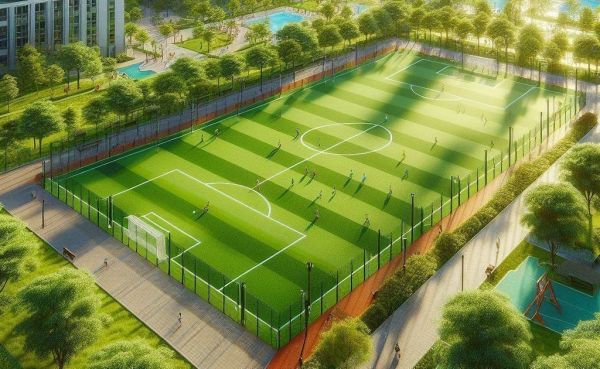
- Mitigation of climate change: thanks to the presence of natural grass and the regenerative agriculture method applied in the maintenance phase, an 8,000 m2 field absorbs up to 6 tons of CO2 per year - the equivalent of what is captured by 350 medium-sized trees in an urban area. In addition, evapotranspiration from natural grass generates water vapor that cools the air and mitigates the “heat island” effect in urban centers. A field of this size can reduce the temperature by 1°C in a volume equal to 372 apartments of 100 m2, or by 5°C in a volume equal to 75 apartments of 100 m2 for one year.
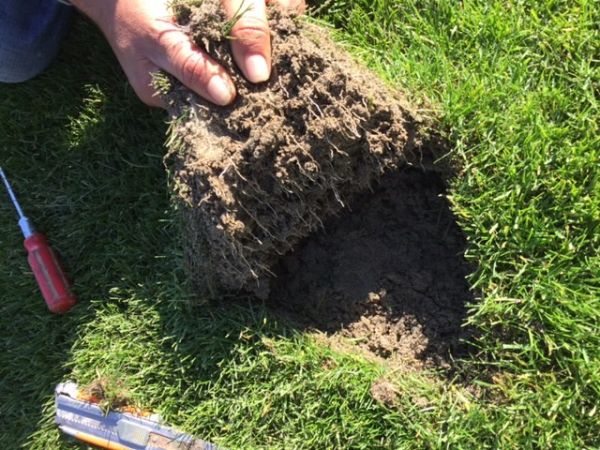
- Adaptation to climate changes: thanks to a patented hybrid mat, POWERgrass prevents soil compaction while offering, at the same time, a safe anchorage for the grass roots. This increases its resilience to erosion or flood damage and gives the system the ability to store large amounts of water. In fact, the entire system can act as a "large water reservoir" which contributes to hydraulic governance while safeguarding the territory. Finally, the artificial support of the hybrid carpet provides an insulating effect to protect the root of the grass from temperature changes, which are harmful to the health of the plants.
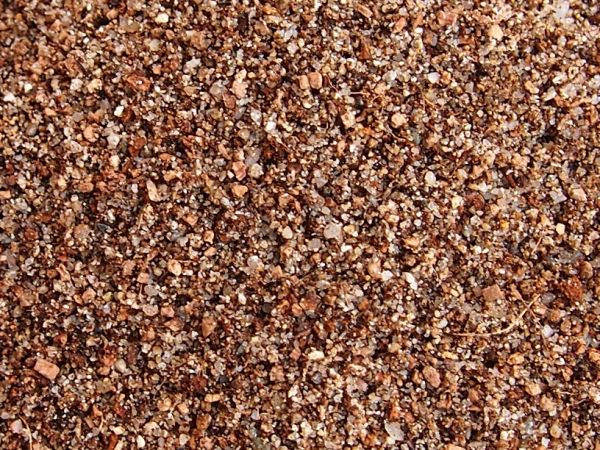
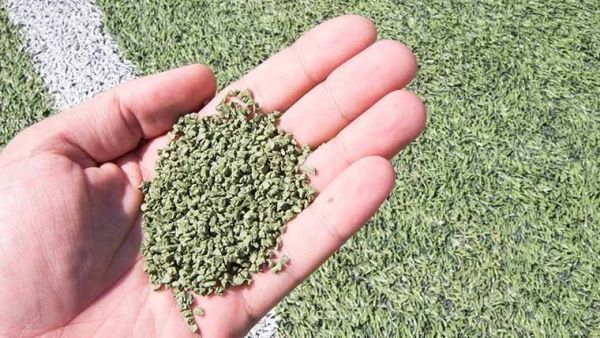
- Sustainable use and protection of water and marine resources: POWERgrass does not contain the typical rubber granules found in synthetic grass fields, which have been banned by the European Commission from 2031 onwards to limit the spread of microplastics. Furthermore, the analysis of rubber granules present in synthetic fields has raised many concerns regarding the possible contamination of wastewater with heavy metals. Furthermore, following the ban on the export of plastic waste to third world countries, it is currently very expensive to dispose of these granules, especially because they also contribute to the contamination of the filling sand by increasing the quantity of waste. The POWERgrass system uses a filter substrate and a drainage system that facilitates the rapid absorption of rainwater, the conservation of a good quantity of water while the excess water recharges the aquifers with clean water, preserving the quality of the drinking water. Thanks to the use of a mineral soil improver in the substrate, the evaporation-reducing effect offered by the artificial support and ecological maintenance operations, field irrigation is significantly reduced.
- Transition towards the circular economy, also with reference to waste reduction and recycling: POWERgrass aims at zero waste production, reduces the need for extraction and production of materials, favoring, where possible, the use of recycled, recyclable or renewable materials. Furthermore, it provides for the extension of the product's life by integrating an environmentally friendly maintenance plan for the entire life cycle of the system which also includes reuse for less reinforced lawns.
- Prevention and reduction of air, water and soil pollution: POWERgrass limits pollution derived from synthetic fertilizers and pesticides. It is in fact based on the principles of regenerative agriculture, which increases the productivity and resistance of plants and promotes rapid recovery from frequent trampling. All this translates into excellent results without the use of pesticides to prevent and treat biotic problems. Furthermore, the zeolite integrated into the substrate, the bacterial flora associated with the natural grass purifies the soil from heavy metals and residues of old pesticides, acting as a natural filter that allows the aquifers to recharge with clean water. Through the process of perspiration, it releases water vapor and traps fine dust particles, purifying the air.
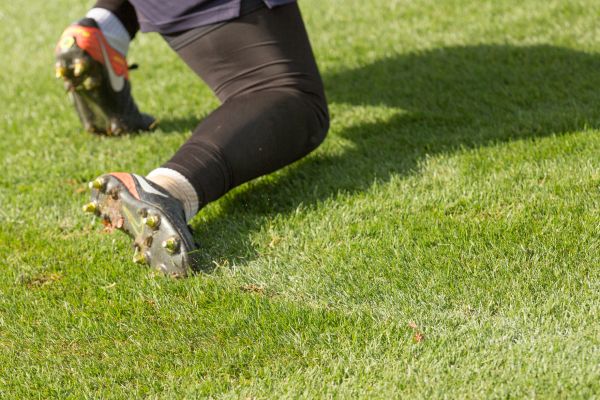
- Protection and restoration of biodiversity and ecosystem health: The hybrid carpet facilitates this protection through a horizontal support, in the shape of a three-dimensional network, in which synthetic fibers are incorporated. This design improves gas exchange between the soil and the surface also because it limits compaction of the lower substrate and prevents sand from being trapped in the substrate. Thus, roots and associated microorganisms can thrive and spread in the soil, increasing biodiversity in the growing medium. This helps prevent degradation of the ecosystem, which is able to withstand field use of up to 30 hours per week.
Insights




FAQ 12
Environmental regulations and the field