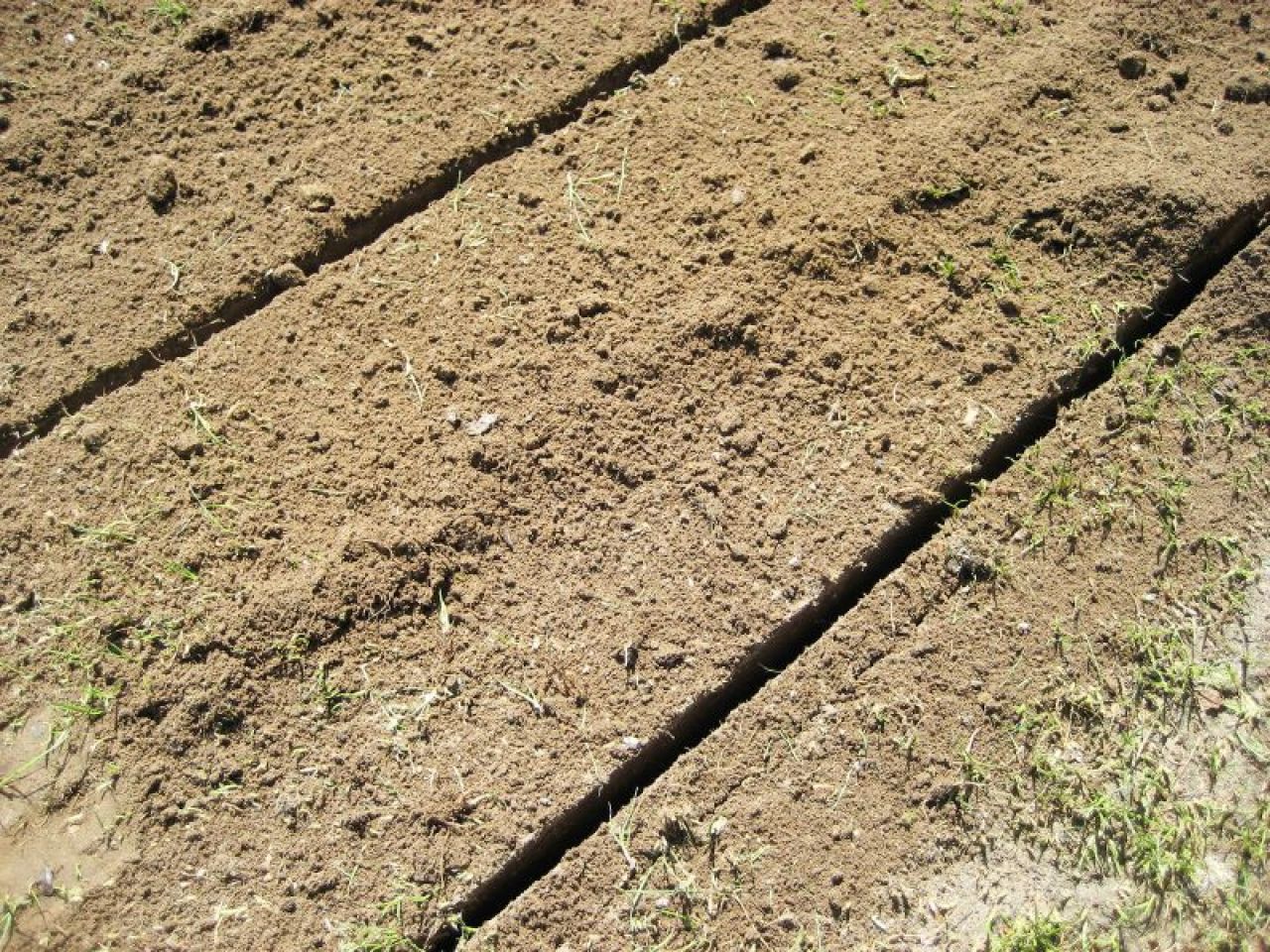
A single game on a waterlogged pitch can cause irreversible damage, compromising the playability of the pitch until the end of the season. Restoration at the end of the season is more expensive and the result can be disappointing. The micro-cracks in the sand allow you to intercept the drainage system and compensate for the negative effects of the saturation of the ground which also produces mud during the game.
Excessive compaction of the playing surface is the main cause of degradation of the lawn and the performance and safety of the pitch. When it rains, if the amount of rain exceeds the infiltration capacity of the ground, it becomes saturated and, if the match is played on excessively wet ground, it compacts easily, while mud forms in the most worn areas. Increasing the infiltration capacity of the soil is essential, not only for the smooth running of the game, but also to avoid a possible anaerobic process that can suffocate the roots: if the water saturates the soil for a long time, a vicious circle is triggered because a smaller number of roots reduces the soil's resistance to compaction, further reducing the development of the roots. To overcome this problem, based on the number of hours of play, the ground must be periodically loosened to facilitate the infiltration of water into the deeper layers.
The deep hole has a favorable but limited effect and must be repeated several times during the season depending on the frequency of use. It is an expensive operation because it requires time and consumption of tools, as well as excessive wear of the machinery. Finally, it is often difficult to reach the deep drainage layer and the water, once the drilling holes are filled, cannot find other outlets, so the favorable effect can quickly vanish.
Increasing the soil's resistance to surface compaction and increasing the capacity for water to infiltrate into depths is possible through two simple operations: the creation of a superficial layer of sand of a uniform thickness of 5 cm connected to micro-trenches filled with sand placed every 25-35 cm, possibly crossed together where rainfall is greatest. The soil from the trenches must be removed on special trailers and then the trenches must be filled with silica sand. POWERgrass recommends equipment capable of making trenches at least 18 mm thick and 15 cm deep.
It is essential that the micro-trenches filled with sand can intercept, for at least 5 cm, the deep drainage trenches equipped with micro-perforated tubes, filled first with crushed stone and then with sand to give vent to excess water if the amount of rain increases.
The creation of sand micro-cracks is also possible on the existing turf, in combination with the classic regeneration of the turf, and helps to form a surface substrate capable of withstanding more hours of play. The grass grows quickly in the sand trenches and after about four weeks the pitch is playable again.
By preventing the saturation of the surface layer of the game, it reduces the formation of mud, but does not definitively resolve the compaction of the ground, because the sand also compacts. However, it allows the lawn to breathe and be more resistant to play, thus benefiting from better resilience and usability.
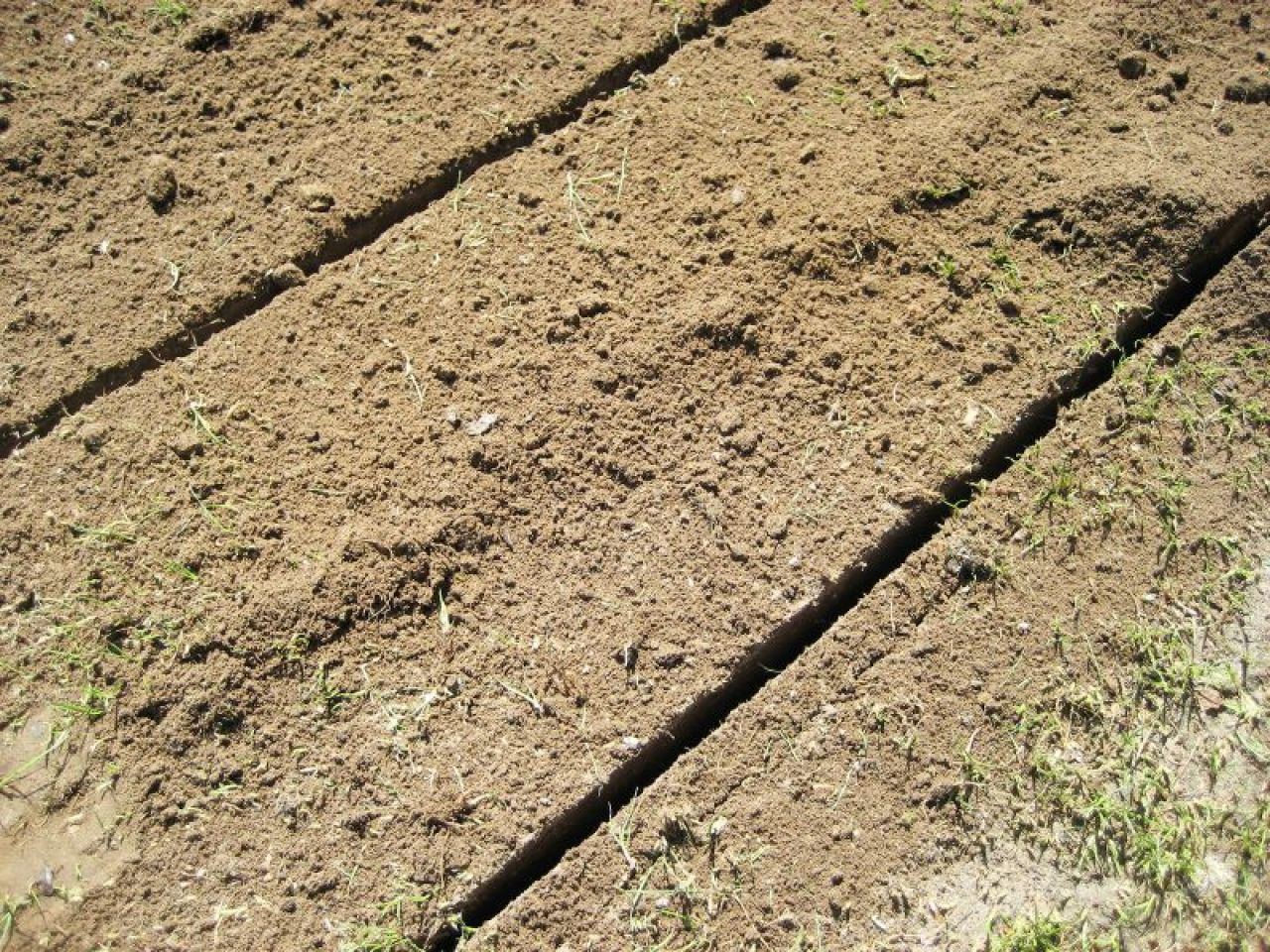
If the request for use of the pitch is greater than 6 hours per week, it is advisable to install the innovative system of POWERgrass hybrid grass pitches to also significantly reduce maintenance costs (no holes, few weeds, low risk of diseases and insects) and to reduce water consumption thanks to reduced evaporation.
Before installing the system, make sure that the substrate consists of a base compliant with USGA standards with a minimum uniform thickness of 8 cm and that a 24-sprinkler pop-up system is installed, powered by a pump capable of activating 4 sprinklers at a time.
The installation of a irrigation system controller with remote access and two probes for monitoring soil conditions provides valuable information (soil temperature, humidity and EC) and facilitates management during periods of greater stress, when it is hot in summer. POWERgrass recommends keeping the surface moist to avoid hydrophobic phenomena and, at the same time, keeping the humidity in the sand substrate low to reduce thermal stress on the roots.
A single game on a waterlogged pitch can cause irreversible damage, compromising the playability of the pitch until the end of the season. Restoration at the end of the season is more expensive and the result can be disappointing. The micro-cracks in the sand allow you to intercept the drainage system and compensate for the negative effects of the saturation of the ground which also produces mud during the game.
Excessive compaction of the playing surface is the main cause of degradation of the lawn and the performance and safety of the pitch. When it rains, if the amount of rain exceeds the infiltration capacity of the ground, it becomes saturated and, if the match is played on excessively wet ground, it compacts easily, while mud forms in the most worn areas. Increasing the infiltration capacity of the soil is essential, not only for the smooth running of the game, but also to avoid a possible anaerobic process that can suffocate the roots: if the water saturates the soil for a long time, a vicious circle is triggered because a smaller number of roots reduces the soil's resistance to compaction, further reducing the development of the roots. To overcome this problem, based on the number of hours of play, the ground must be periodically loosened to facilitate the infiltration of water into the deeper layers.
The deep hole has a favorable but limited effect and must be repeated several times during the season depending on the frequency of use. It is an expensive operation because it requires time and consumption of tools, as well as excessive wear of the machinery. Finally, it is often difficult to reach the deep drainage layer and the water, once the drilling holes are filled, cannot find other outlets, so the favorable effect can quickly vanish.
Increasing the soil's resistance to surface compaction and increasing the capacity for water to infiltrate into depths is possible through two simple operations: the creation of a superficial layer of sand of a uniform thickness of 5 cm connected to micro-trenches filled with sand placed every 25-35 cm, possibly crossed together where rainfall is greatest. The soil from the trenches must be removed on special trailers and then the trenches must be filled with silica sand. POWERgrass recommends equipment capable of making trenches at least 18 mm thick and 15 cm deep.
It is essential that the micro-trenches filled with sand can intercept, for at least 5 cm, the deep drainage trenches equipped with micro-perforated tubes, filled first with crushed stone and then with sand to give vent to excess water if the amount of rain increases.
The creation of sand micro-cracks is also possible on the existing turf, in combination with the classic regeneration of the turf, and helps to form a surface substrate capable of withstanding more hours of play. The grass grows quickly in the sand trenches and after about four weeks the pitch is playable again.
By preventing the saturation of the surface layer of the game, it reduces the formation of mud, but does not definitively resolve the compaction of the ground, because the sand also compacts. However, it allows the lawn to breathe and be more resistant to play, thus benefiting from better resilience and usability.
If the request for use of the pitch is greater than 6 hours per week, it is advisable to install the innovative system of POWERgrass hybrid grass pitches to also significantly reduce maintenance costs (no holes, few weeds, low risk of diseases and insects) and to reduce water consumption thanks to reduced evaporation.
Before installing the system, make sure that the substrate consists of a base compliant with USGA standards with a minimum uniform thickness of 8 cm and that a 24-sprinkler pop-up system is installed, powered by a pump capable of activating 4 sprinklers at a time.
The installation of a irrigation system controller with remote access and two probes for monitoring soil conditions provides valuable information (soil temperature, humidity and EC) and facilitates management during periods of greater stress, when it is hot in summer. POWERgrass recommends keeping the surface moist to avoid hydrophobic phenomena and, at the same time, keeping the humidity in the sand substrate low to reduce thermal stress on the roots.
A single game on a waterlogged pitch can cause irreversible damage, compromising the playability of the pitch until the end of the season. Restoration at the end of the season is more expensive and the result can be disappointing. The micro-cracks in the sand allow you to intercept the drainage system and compensate for the negative effects of the saturation of the ground which also produces mud during the game.
Excessive compaction of the playing surface is the main cause of degradation of the lawn and the performance and safety of the pitch. When it rains, if the amount of rain exceeds the infiltration capacity of the ground, it becomes saturated and, if the match is played on excessively wet ground, it compacts easily, while mud forms in the most worn areas. Increasing the infiltration capacity of the soil is essential, not only for the smooth running of the game, but also to avoid a possible anaerobic process that can suffocate the roots: if the water saturates the soil for a long time, a vicious circle is triggered because a smaller number of roots reduces the soil's resistance to compaction, further reducing the development of the roots. To overcome this problem, based on the number of hours of play, the ground must be periodically loosened to facilitate the infiltration of water into the deeper layers.
The deep hole has a favorable but limited effect and must be repeated several times during the season depending on the frequency of use. It is an expensive operation because it requires time and consumption of tools, as well as excessive wear of the machinery. Finally, it is often difficult to reach the deep drainage layer and the water, once the drilling holes are filled, cannot find other outlets, so the favorable effect can quickly vanish.
Increasing the soil's resistance to surface compaction and increasing the capacity for water to infiltrate into depths is possible through two simple operations: the creation of a superficial layer of sand of a uniform thickness of 5 cm connected to micro-trenches filled with sand placed every 25-35 cm, possibly crossed together where rainfall is greatest. The soil from the trenches must be removed on special trailers and then the trenches must be filled with silica sand. POWERgrass recommends equipment capable of making trenches at least 18 mm thick and 15 cm deep.
It is essential that the micro-trenches filled with sand can intercept, for at least 5 cm, the deep drainage trenches equipped with micro-perforated tubes, filled first with crushed stone and then with sand to give vent to excess water if the amount of rain increases.
The creation of sand micro-cracks is also possible on the existing turf, in combination with the classic regeneration of the turf, and helps to form a surface substrate capable of withstanding more hours of play. The grass grows quickly in the sand trenches and after about four weeks the pitch is playable again.
By preventing the saturation of the surface layer of the game, it reduces the formation of mud, but does not definitively resolve the compaction of the ground, because the sand also compacts. However, it allows the lawn to breathe and be more resistant to play, thus benefiting from better resilience and usability.
If the request for use of the pitch is greater than 6 hours per week, it is advisable to install the innovative system of POWERgrass hybrid grass pitches to also significantly reduce maintenance costs (no holes, few weeds, low risk of diseases and insects) and to reduce water consumption thanks to reduced evaporation.
Before installing the system, make sure that the substrate consists of a base compliant with USGA standards with a minimum uniform thickness of 8 cm and that a 24-sprinkler pop-up system is installed, powered by a pump capable of activating 4 sprinklers at a time.
The installation of a irrigation system controller with remote access and two probes for monitoring soil conditions provides valuable information (soil temperature, humidity and EC) and facilitates management during periods of greater stress, when it is hot in summer. POWERgrass recommends keeping the surface moist to avoid hydrophobic phenomena and, at the same time, keeping the humidity in the sand substrate low to reduce thermal stress on the roots.