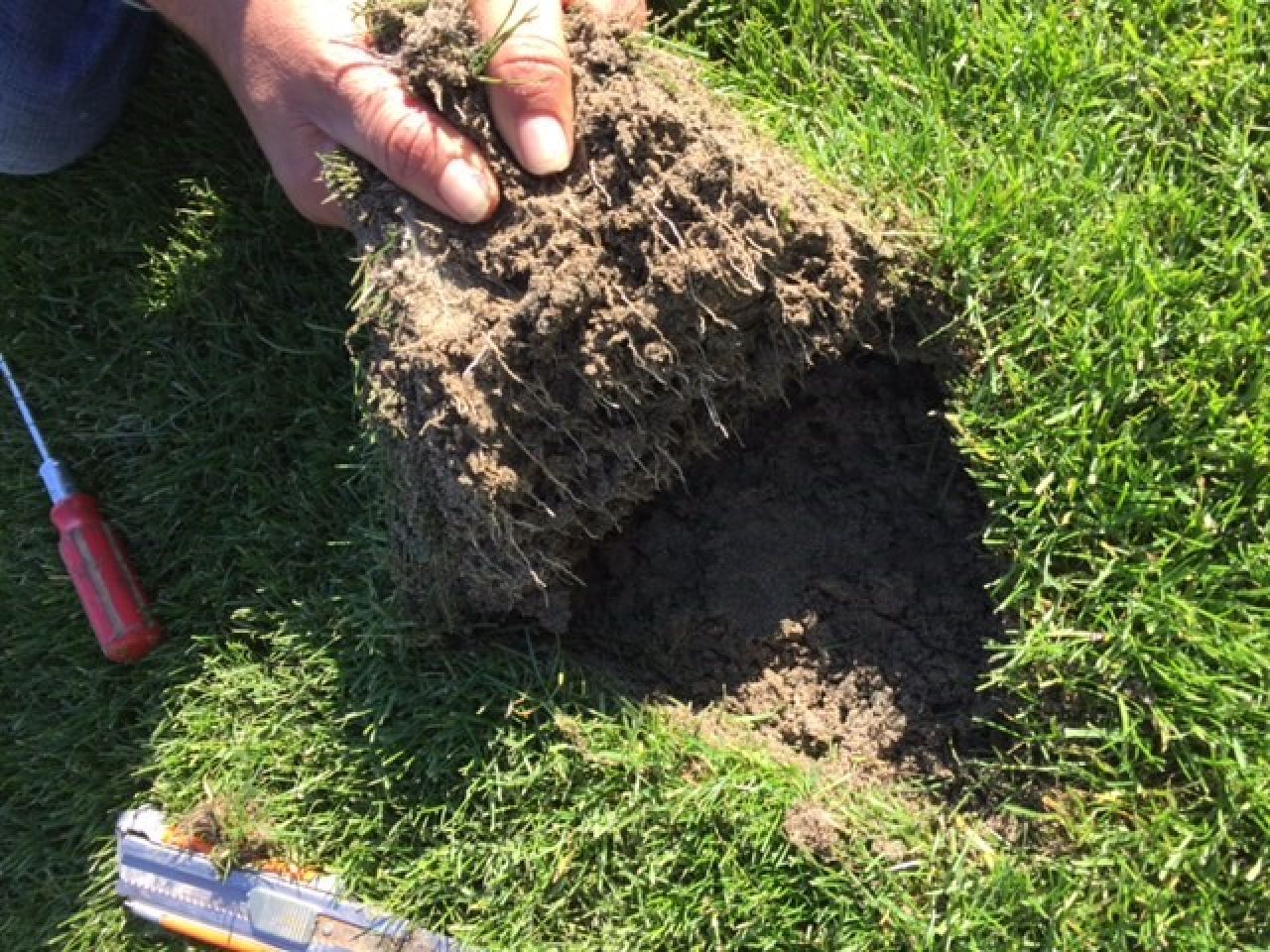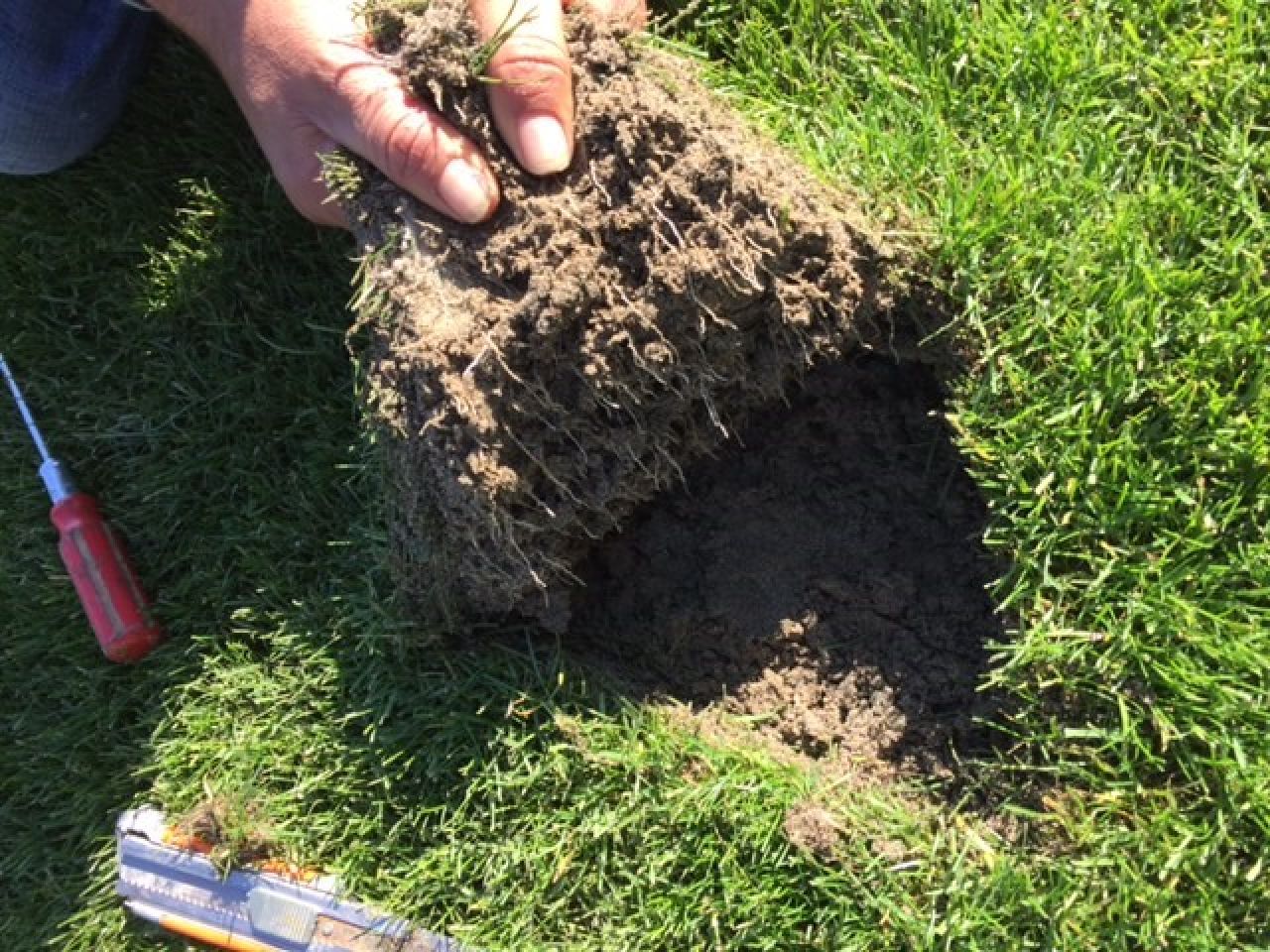
Maintenance of a hybrid grass system should include thatch control and annual renewal, alternating removal of natural grass and re-sowing every 2-3 years. This last operation is known as returfing and aims to remove the organic soil that has been generated on the surface to restore the original benefits of the hybrid grass system. It is understood that only a direct on-site installation of a well-designed system and specialized operators can achieve results in a very short time.
James Thorp in the "YearBook of Agriculture 1948" on page 56 of his article "HOW SOILS DEVELOP UNDER GRASS" teaches us the following: "The formation of grassy soils involves the accumulation of mineral soil materials, the invasion of these materials by grass, and the accumulation of organic matter and the development of soil structure.
Soil mineral materials accumulate through the direct chemical and physical erosion of rocks and through the deposition of broken and chemically eroded rock fragments (sand, silt, clay, and gravel) by streams, lakes, glaciers, wind, and downward gravitational movement. A very rough estimate is that one-third to one-quarter of natural prairie soil materials in the United States are the products of direct erosion of rocks of widely varying composition and hardness. The remaining materials were deposited by the waterways and other agents I have listed."
He also explains that: "Extensive deposits of loess (wind-blown dust) are ideal for grass growth. Loess is a uniform, non-stratified mixture of silt, very fine sand, and clay. Loess is probably the single most extensive type of parent material of grassland in the world."
Furthermore, on page 57 he explains that: "Where climatic conditions are favorable, grasses invade areas of newly deposited soil materials very soon after their first exposure. If the accumulation of sediment or eroded rock materials is slow, grasses become well established and immediately begin the work of soil building. The roots spread into the soil and sooner or later die, providing organic wastes that form humus."
On page 61 we can read that: "After an exhaustive study of the nitrogen and organic matter of hundreds of soils in the United States, Hans Jenny, in research bulletin No. 152 of the Missouri Agricultural Experiment Station, drew a series of conclusions regarding the accumulation of soil organic matter in relation to climate. Among these are:
When it comes to the maintenance of natural and hybrid grass systems, you should expect organic soil to accumulate on the surface, especially in windy, relatively dry areas where soil erosion is most active. The accumulated organic soil will keep the surface wetter, reduce water infiltration and the ability of the roots to penetrate the soil especially where trampling is intensive.
In hot weather many roots will die, even if irrigation is applied, contributing to the formation of organic soil and the grass is less resistant to tearing until the roots grow again, with temperatures in the appropriate range. For this reason, many Groundsmen in the UK prefer to remove the grass every year together with the organic soil that has formed on the surface; if the accumulation is not excessive, others prefer to renew the existing surface with scarification to remove weak grass, in-depth aeration, supplementary sowing and sandblasting to promote gas exchange in the deeper layers.
In hybrid grass systems it is imperative to contain the accumulation of organic matter each month with a mechanical rake because otherwise the fibers will soon be buried and the benefit of protecting the crowns of the plants will be gone. It is also advisable to renew the existing surface once a year without sandblasting and every 2-3 years to completely remove the natural grass and organic soil that has formed on the surface.
The buried synthetic fibres, when associated with shallow roots, form a weak lawn and make it necessary to remove the grass and organic soil, then sow new grass on the original infill with a light addition of sand, to restore the advantages of the hybrid system. This operation (returfing) requires knowledge and experience to remove the old grass, avoiding damage to the synthetic turf which must remain intact. It is also imperative that the hybrid grass system must be designed with certain characteristics, installed with the synthetic fibers protruding on the surface and must be resistant to mechanical cultivation operations. For this reason it is necessary to select the appropriate hybrid carpet where synthetic fibres are strong and resilient and are well fixed to the support, so as not to damage or remove them during works to remove the natural grass. It is also essential that the system has been installed directly on site, stitching the hybrid carpet rolls together and not with transplanted sod, to avoid lifting the hybrid carpet and tearing the backing.
Maintenance of a hybrid grass system should include thatch control and annual renewal, alternating removal of natural grass and re-sowing every 2-3 years. This last operation is known as returfing and aims to remove the organic soil that has been generated on the surface to restore the original benefits of the hybrid grass system. It is understood that only a direct on-site installation of a well-designed system and specialized operators can achieve results in a very short time.
James Thorp in the "YearBook of Agriculture 1948" on page 56 of his article "HOW SOILS DEVELOP UNDER GRASS" teaches us the following: "The formation of grassy soils involves the accumulation of mineral soil materials, the invasion of these materials by grass, and the accumulation of organic matter and the development of soil structure.
Soil mineral materials accumulate through the direct chemical and physical erosion of rocks and through the deposition of broken and chemically eroded rock fragments (sand, silt, clay, and gravel) by streams, lakes, glaciers, wind, and downward gravitational movement. A very rough estimate is that one-third to one-quarter of natural prairie soil materials in the United States are the products of direct erosion of rocks of widely varying composition and hardness. The remaining materials were deposited by the waterways and other agents I have listed."
He also explains that: "Extensive deposits of loess (wind-blown dust) are ideal for grass growth. Loess is a uniform, non-stratified mixture of silt, very fine sand, and clay. Loess is probably the single most extensive type of parent material of grassland in the world."
Furthermore, on page 57 he explains that: "Where climatic conditions are favorable, grasses invade areas of newly deposited soil materials very soon after their first exposure. If the accumulation of sediment or eroded rock materials is slow, grasses become well established and immediately begin the work of soil building. The roots spread into the soil and sooner or later die, providing organic wastes that form humus."
On page 61 we can read that: "After an exhaustive study of the nitrogen and organic matter of hundreds of soils in the United States, Hans Jenny, in research bulletin No. 152 of the Missouri Agricultural Experiment Station, drew a series of conclusions regarding the accumulation of soil organic matter in relation to climate. Among these are:
When it comes to the maintenance of natural and hybrid grass systems, you should expect organic soil to accumulate on the surface, especially in windy, relatively dry areas where soil erosion is most active. The accumulated organic soil will keep the surface wetter, reduce water infiltration and the ability of the roots to penetrate the soil especially where trampling is intensive.
In hot weather many roots will die, even if irrigation is applied, contributing to the formation of organic soil and the grass is less resistant to tearing until the roots grow again, with temperatures in the appropriate range. For this reason, many Groundsmen in the UK prefer to remove the grass every year together with the organic soil that has formed on the surface; if the accumulation is not excessive, others prefer to renew the existing surface with scarification to remove weak grass, in-depth aeration, supplementary sowing and sandblasting to promote gas exchange in the deeper layers.
In hybrid grass systems it is imperative to contain the accumulation of organic matter each month with a mechanical rake because otherwise the fibers will soon be buried and the benefit of protecting the crowns of the plants will be gone. It is also advisable to renew the existing surface once a year without sandblasting and every 2-3 years to completely remove the natural grass and organic soil that has formed on the surface.
The buried synthetic fibres, when associated with shallow roots, form a weak lawn and make it necessary to remove the grass and organic soil, then sow new grass on the original infill with a light addition of sand, to restore the advantages of the hybrid system. This operation (returfing) requires knowledge and experience to remove the old grass, avoiding damage to the synthetic turf which must remain intact. It is also imperative that the hybrid grass system must be designed with certain characteristics, installed with the synthetic fibers protruding on the surface and must be resistant to mechanical cultivation operations. For this reason it is necessary to select the appropriate hybrid carpet where synthetic fibres are strong and resilient and are well fixed to the support, so as not to damage or remove them during works to remove the natural grass. It is also essential that the system has been installed directly on site, stitching the hybrid carpet rolls together and not with transplanted sod, to avoid lifting the hybrid carpet and tearing the backing.
Maintenance of a hybrid grass system should include thatch control and annual renewal, alternating removal of natural grass and re-sowing every 2-3 years. This last operation is known as returfing and aims to remove the organic soil that has been generated on the surface to restore the original benefits of the hybrid grass system. It is understood that only a direct on-site installation of a well-designed system and specialized operators can achieve results in a very short time.
James Thorp in the "YearBook of Agriculture 1948" on page 56 of his article "HOW SOILS DEVELOP UNDER GRASS" teaches us the following: "The formation of grassy soils involves the accumulation of mineral soil materials, the invasion of these materials by grass, and the accumulation of organic matter and the development of soil structure.
Soil mineral materials accumulate through the direct chemical and physical erosion of rocks and through the deposition of broken and chemically eroded rock fragments (sand, silt, clay, and gravel) by streams, lakes, glaciers, wind, and downward gravitational movement. A very rough estimate is that one-third to one-quarter of natural prairie soil materials in the United States are the products of direct erosion of rocks of widely varying composition and hardness. The remaining materials were deposited by the waterways and other agents I have listed."
He also explains that: "Extensive deposits of loess (wind-blown dust) are ideal for grass growth. Loess is a uniform, non-stratified mixture of silt, very fine sand, and clay. Loess is probably the single most extensive type of parent material of grassland in the world."
Furthermore, on page 57 he explains that: "Where climatic conditions are favorable, grasses invade areas of newly deposited soil materials very soon after their first exposure. If the accumulation of sediment or eroded rock materials is slow, grasses become well established and immediately begin the work of soil building. The roots spread into the soil and sooner or later die, providing organic wastes that form humus."
On page 61 we can read that: "After an exhaustive study of the nitrogen and organic matter of hundreds of soils in the United States, Hans Jenny, in research bulletin No. 152 of the Missouri Agricultural Experiment Station, drew a series of conclusions regarding the accumulation of soil organic matter in relation to climate. Among these are:
When it comes to the maintenance of natural and hybrid grass systems, you should expect organic soil to accumulate on the surface, especially in windy, relatively dry areas where soil erosion is most active. The accumulated organic soil will keep the surface wetter, reduce water infiltration and the ability of the roots to penetrate the soil especially where trampling is intensive.
In hot weather many roots will die, even if irrigation is applied, contributing to the formation of organic soil and the grass is less resistant to tearing until the roots grow again, with temperatures in the appropriate range. For this reason, many Groundsmen in the UK prefer to remove the grass every year together with the organic soil that has formed on the surface; if the accumulation is not excessive, others prefer to renew the existing surface with scarification to remove weak grass, in-depth aeration, supplementary sowing and sandblasting to promote gas exchange in the deeper layers.
In hybrid grass systems it is imperative to contain the accumulation of organic matter each month with a mechanical rake because otherwise the fibers will soon be buried and the benefit of protecting the crowns of the plants will be gone. It is also advisable to renew the existing surface once a year without sandblasting and every 2-3 years to completely remove the natural grass and organic soil that has formed on the surface.
The buried synthetic fibres, when associated with shallow roots, form a weak lawn and make it necessary to remove the grass and organic soil, then sow new grass on the original infill with a light addition of sand, to restore the advantages of the hybrid system. This operation (returfing) requires knowledge and experience to remove the old grass, avoiding damage to the synthetic turf which must remain intact. It is also imperative that the hybrid grass system must be designed with certain characteristics, installed with the synthetic fibers protruding on the surface and must be resistant to mechanical cultivation operations. For this reason it is necessary to select the appropriate hybrid carpet where synthetic fibres are strong and resilient and are well fixed to the support, so as not to damage or remove them during works to remove the natural grass. It is also essential that the system has been installed directly on site, stitching the hybrid carpet rolls together and not with transplanted sod, to avoid lifting the hybrid carpet and tearing the backing.