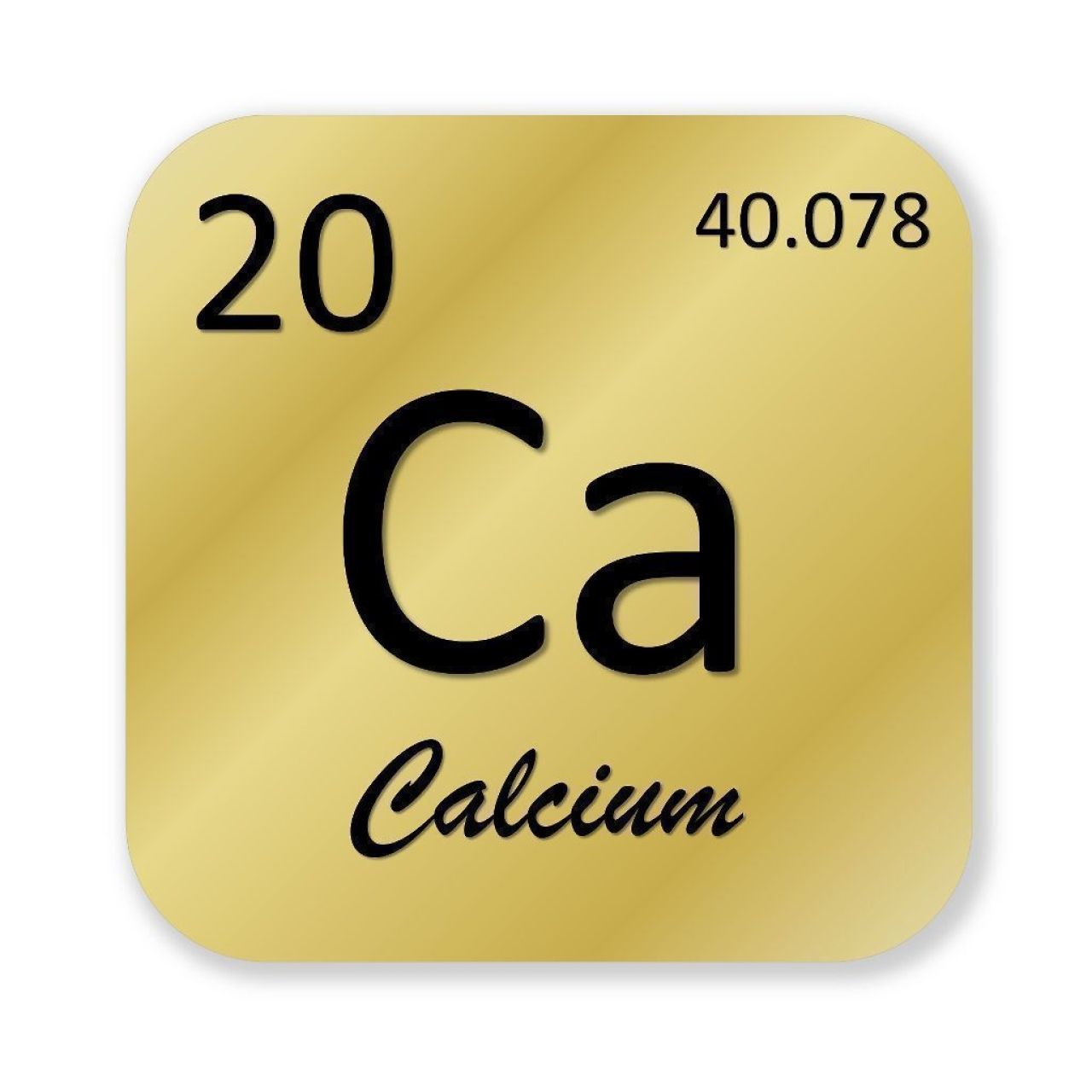
Calcium is much more important for plant growth than you might think. Plants need more calcium than phosphorus, and a calcium deficiency can create a cascade of problems that are often difficult to diagnose. Calcium deficient plants show worse symptoms than any other nutrient deficiency, often showing signs of multiple nutrient deficiencies.
Calcium strengthens cell walls. Therefore, as the cells weaken, the plant's vascular system begins to collapse, reducing the absorption of all major elements. Symptoms appear first at the apex of growth of both shoots and roots. Calcium is an immobile element, which means that in case of deficiency the plant cannot translocate calcium from older to younger leaves. New growth on the tips and edges of the leaves begins to wilt and die, and the new leaves are often deformed.
But the most serious effect of calcium deficiency occurs in the roots. Calcium is involved in root extension and is necessary for the secretion of protective mucilage around the roots. Lack of calcium also increases the plant's susceptibility to root diseases, such as Pythium. Without sufficient calcium, roots often become stunted and discolored and begin to lose the solutes that plants need to grow. This results in a thin, mangy root system that often becomes slimy, brown or black, especially at the root tips. If plants do not have actively growing roots, other nutrient deficiencies can appear, often randomly.
The first step in preventing calcium deficiency is to use a water-soluble calcium source through a foliar application, but this may not increase the amount of calcium in the plants, as rapid growth will dilute the amount of calcium applied. Keep in mind that some sources of calcium are poorly soluble and are released only very slowly over time; furthermore, calcium quickly freezes with phosphates and sulfates, forming insoluble precipitates. In our experience, the best way to effectively apply calcium is to use granular forms of chalk.
Adding gypsum to soil can significantly increase the infiltration rate of irrigation water under three conditions:
Because gypsum - calcium sulfate - is a neutral salt, it affects the pH of the soil very slowly, bringing it to a neutral pH (7.0) over time. It does not break up hard tanks or layers of soil of different consistencies, nor does it reduce compaction which prevents water infiltration. Gypsum, on the other hand, stabilizes the soil, reducing the dispersion of larger aggregates when dry soil is irrigated. In turn, it reduces crusting, opening up the soil and allowing water to penetrate rather than run off.
Why is June the ideal time for growers to use sprinklers or wide coverage sprinklers to apply gypsum to the soil surface and improve irrigation water infiltration? Because this is the period in which soil infiltration rates tend to decrease, temperatures rise and plants begin to consume more water.
A second application at the end of autumn promotes root growth and strengthens plant cells against frost. The storage of carbohydrates in the roots will favor a beneficial cooperation with the soil biology, which will remain active in extracting other nutrients from the soil and making them available for the following spring.
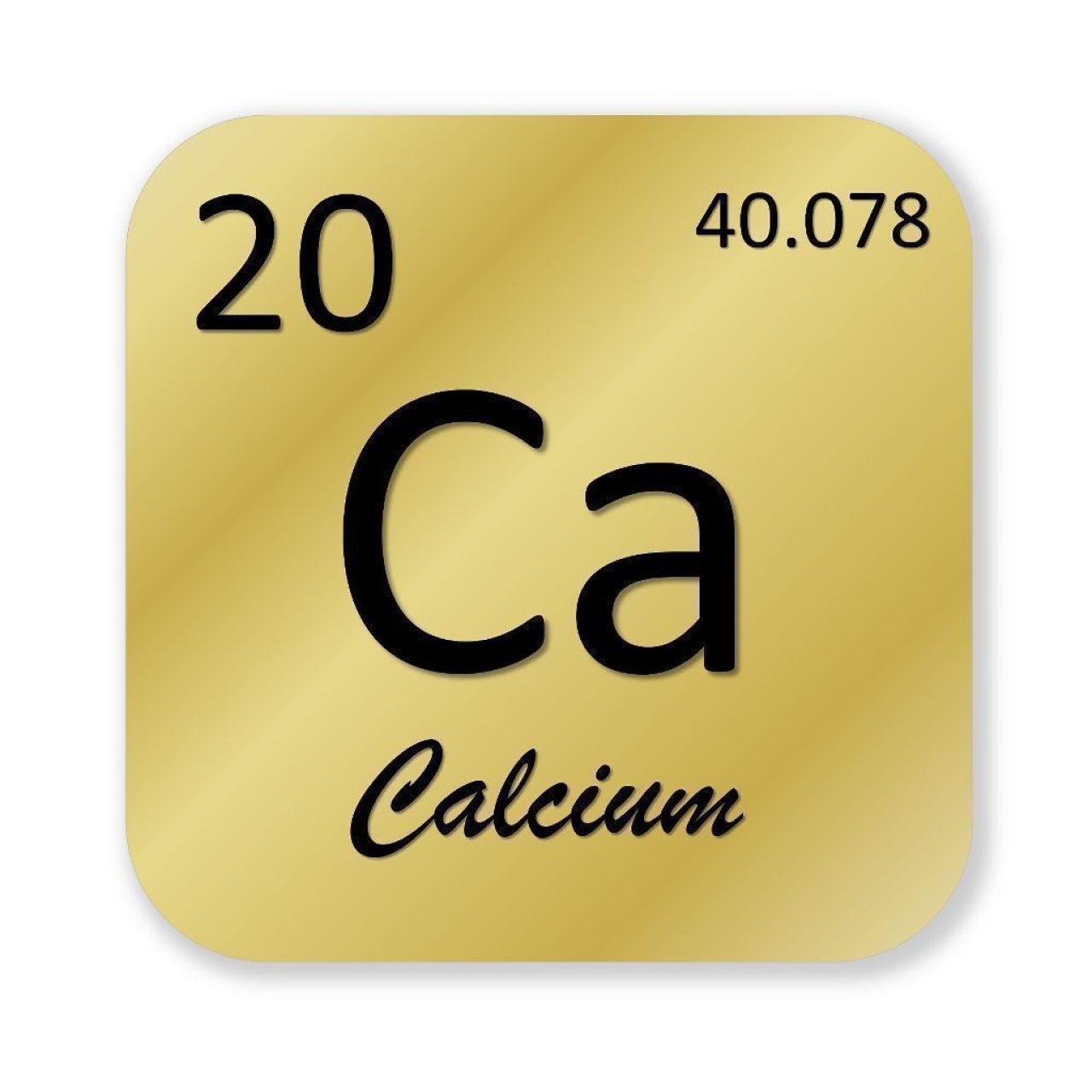
Calcium is much more important for plant growth than you might think. Plants need more calcium than phosphorus, and a calcium deficiency can create a cascade of problems that are often difficult to diagnose. Calcium deficient plants show worse symptoms than any other nutrient deficiency, often showing signs of multiple nutrient deficiencies.
Calcium strengthens cell walls. Therefore, as the cells weaken, the plant's vascular system begins to collapse, reducing the absorption of all major elements. Symptoms appear first at the apex of growth of both shoots and roots. Calcium is an immobile element, which means that in case of deficiency the plant cannot translocate calcium from older to younger leaves. New growth on the tips and edges of the leaves begins to wilt and die, and the new leaves are often deformed.
But the most serious effect of calcium deficiency occurs in the roots. Calcium is involved in root extension and is necessary for the secretion of protective mucilage around the roots. Lack of calcium also increases the plant's susceptibility to root diseases, such as Pythium. Without sufficient calcium, roots often become stunted and discolored and begin to lose the solutes that plants need to grow. This results in a thin, mangy root system that often becomes slimy, brown or black, especially at the root tips. If plants do not have actively growing roots, other nutrient deficiencies can appear, often randomly.
The first step in preventing calcium deficiency is to use a water-soluble calcium source through a foliar application, but this may not increase the amount of calcium in the plants, as rapid growth will dilute the amount of calcium applied. Keep in mind that some sources of calcium are poorly soluble and are released only very slowly over time; furthermore, calcium quickly freezes with phosphates and sulfates, forming insoluble precipitates. In our experience, the best way to effectively apply calcium is to use granular forms of chalk.
Adding gypsum to soil can significantly increase the infiltration rate of irrigation water under three conditions:
Because gypsum - calcium sulfate - is a neutral salt, it affects the pH of the soil very slowly, bringing it to a neutral pH (7.0) over time. It does not break up hard tanks or layers of soil of different consistencies, nor does it reduce compaction which prevents water infiltration. Gypsum, on the other hand, stabilizes the soil, reducing the dispersion of larger aggregates when dry soil is irrigated. In turn, it reduces crusting, opening up the soil and allowing water to penetrate rather than run off.
Why is June the ideal time for growers to use sprinklers or wide coverage sprinklers to apply gypsum to the soil surface and improve irrigation water infiltration? Because this is the period in which soil infiltration rates tend to decrease, temperatures rise and plants begin to consume more water.
A second application at the end of autumn promotes root growth and strengthens plant cells against frost. The storage of carbohydrates in the roots will favor a beneficial cooperation with the soil biology, which will remain active in extracting other nutrients from the soil and making them available for the following spring.